
Sermon
Forgiveness and Mastering Anger: Closing the Distance Between Hearts
Anger puts distance between hearts; forgiveness closes it. Our Lord’s forgiveness, the example of our Prophet and his Companions, the measure of forgiveness, the Prophetic remedy in moments of anger, and seven promises for our life in Europe.
Translated from the Turkish original. Read the Turkish original →
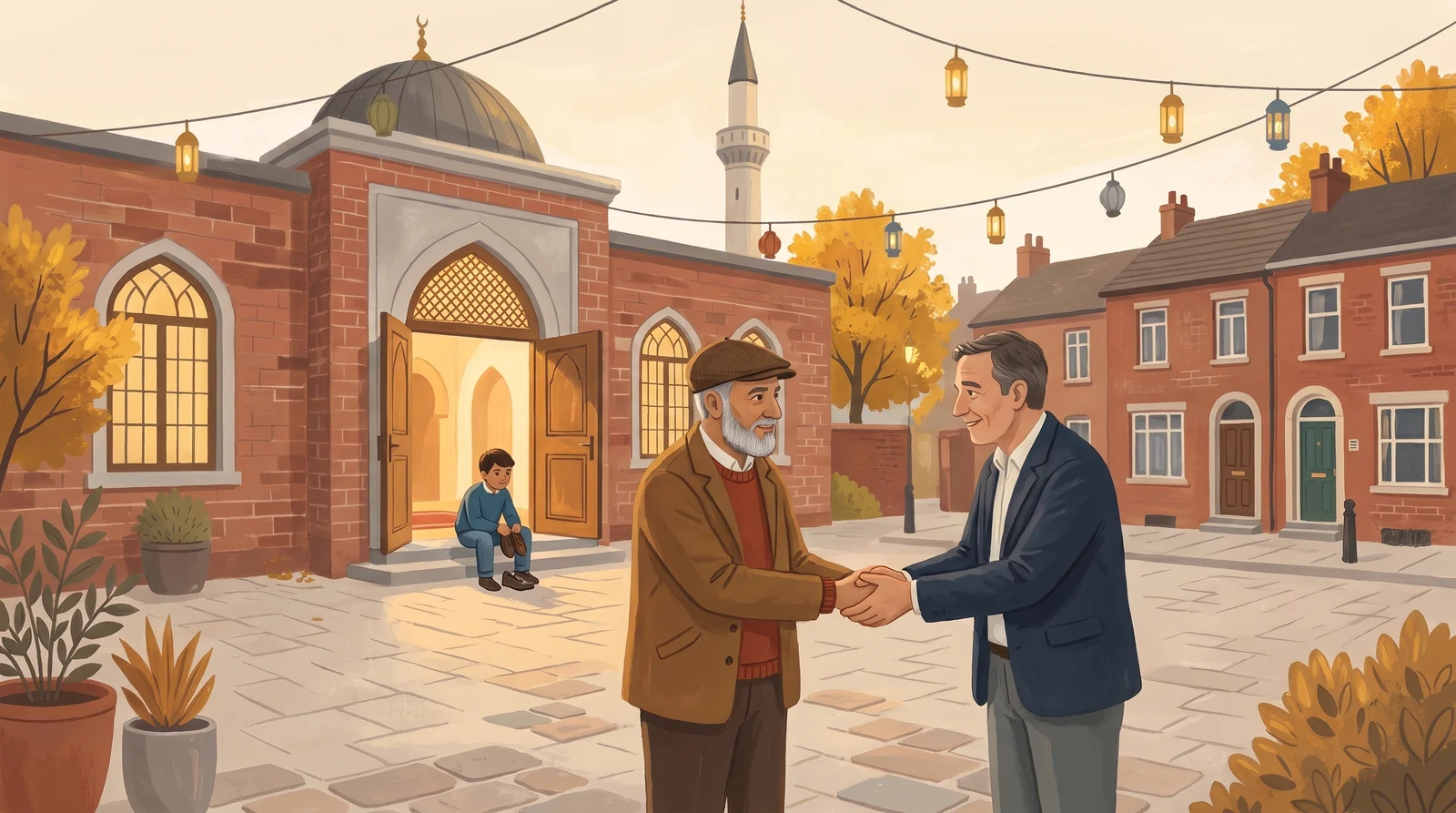
Anger puts distance between hearts; forgiveness closes it.
The images are illustrative scenes from the life of a community living in Europe today.Four key ideas
- Forgiveness is a virtue of the strong.True strength is letting go when you could retaliate.
- Forgiveness is not consent to oppression.Seeking one’s right is legitimate; in the face of violence, safety comes first.
- The Prophetic remedy in moments of anger.Seek refuge in Allah, keep silent, sit down, perform ablution, postpone decisions.
- Let no estrangement pass three days.The better one is the one who greets first.
Opening: The voice of anger, the calm of forgiveness
الْحَمْدُ لِلَّهِ رَبِّ الْعَالَمِينَ، وَالصَّلَاةُ وَالسَّلَامُ عَلَى رَسُولِنَا مُحَمَّدٍ وَعَلَى آلِهِ وَصَحْبِهِ أَجْمَعِينَ
رَبِّ اشْرَحْ لِي صَدْرِي وَيَسِّرْ لِي أَمْرِي وَاحْلُلْ عُقْدَةً مِّن لِّسَانِي يَفْقَهُوا قَوْلِي
All praise belongs to Allah, Lord of the worlds. May blessings and peace be upon our Prophet Muhammad, his family and all his Companions. My Lord! Expand my heart for me, make my task easy for me, and untie the knot from my tongue so that they may understand my words.
Praise: al-Fatiha, 1:2. Blessings: freely worded supplication. Supplication: Ta-Ha, 20:25–28
Dear congregation! Precious brothers and sisters, who carry the weariness of life here in Europe with patience and the burden of brotherhood with compassion!
Let us picture an ordinary day. The tram was late, the foreman raised his voice in front of everyone, and in the evening traffic someone cut us up. When we got home, unfinished homework was waiting for us, and on the phone a hurtful message from a relative. The burden that builds up all day sometimes bursts out in a shout aimed at the person we love most. Then comes regret; but words once spoken cannot be taken back.
Anger is a guest we all know; some of us meet it at the threshold, others give it the seat of honour. Today we will speak about two great disciplines that our Lord and our Prophet have taught us: controlling anger and forgiving. The two are bound together. Whoever cannot master their anger cannot forgive; and whoever does not learn to forgive goes on carrying their anger in their heart.
Here in Europe this matter is especially important for us. Not being understood in surroundings whose language we do not fully speak, facing unfair remarks, and constantly having to prove ourselves at work and at school wear a person out, and sometimes make them angry. Let this anger not be carried into our homes and our community. Anger puts distance between hearts; forgiveness closes it.

I. The meaning of forgiveness: Erasing, turning the page, covering
‘Afw, safh and maghfira: three Qur’anic words that deepen forgiveness.
إِنَّ الْإِنسَانَ خُلِقَ هَلُوعًا إِذَا مَسَّهُ الشَّرُّ جَزُوعًا وَإِذَا مَسَّهُ الْخَيْرُ مَنُوعًا
Truly, man has been created with a very impatient nature. When misfortune touches him, he complains endlessly. But when a blessing comes his way, he lets no one but himself benefit from it.
al-Ma‘arij, 70:19–21
These verses tell of the side of human nature that inclines towards impatience, complaint and selfishness; straight afterwards they set apart from this weakness the believers who are constant in their prayer and believe in the Day of Reckoning (al-Ma‘arij, 70:22–35). The weakness is in our nature; the way to discipline it is in our religion.
My dear brothers and sisters! In the dictionary, ‘afw means “to wipe out, to sweep away”; in the language of ethics and law it means pardoning the one who has done wrong and injustice, and giving up the punishment they deserve. Just as the wind erases footprints in the sand, forgiveness erases the trace of the wrong that has fallen upon the heart. (TDV İslâm Ansiklopedisi, “Af”.)
The Qur’an deepens this discipline with three words. ‘Afw is giving up one’s right. Safh is turning the page, not throwing what happened back in someone’s face; al-Raghib al-Isfahani says that safh is a finer degree than ‘afw, because it also means letting go of reproach. Maghfira, in turn, is covering a fault, not exposing it. The three come side by side in a verse that speaks of family life: “If you pardon, overlook and forgive, then surely Allah is Most Forgiving, Most Merciful.” (al-Taghabun, 64:14)
- ‘Afw عَفْو
- Giving up the retribution one is owed; wiping away the trace of the wrong.
- Safh صَفْح
- Turning the page; ceasing to blame and to rub it in.
- Kazm al-ghayz كَظْمُ الْغَيْظِ
- Holding rising anger within, never letting it spill over into word or deed.
- Hilm حِلْم
- A gentle temperament that masters anger and does not rush.
In the pre-Islamic society of the Jahiliyya, repaying evil with evil was counted as valour, while forgiving was seen as a sign of weakness and helplessness. The Qur’an turned this measure upside down. By frequently reminding us of Allah’s pardon and forgiveness, it made forgiveness a lofty moral virtue; it even declared: “To pardon is nearer to God-consciousness (taqwa)” (al-Baqara, 2:237).
وَجَزَاءُ سَيِّئَةٍ سَيِّئَةٌ مِّثْلُهَا فَمَنْ عَفَا وَأَصْلَحَ فَأَجْرُهُ عَلَى اللَّهِ إِنَّهُ لَا يُحِبُّ الظَّالِمِينَ
The requital of an evil is an evil equal to it; but whoever pardons and chooses to set things right, his reward rests with Allah. Truly, He does not love the wrongdoers.
al-Shura, 42:40
The verse first upholds justice: the requital of an evil is what is equal to it; anything beyond that is injustice. Then it opens a higher door: Allah Himself takes on the reward of the one who pardons and mends the relationship. Let us take note: the verse does not say only “whoever pardons”, but “whoever pardons and sets things right”. Forgiveness is resolving to mend the breach.
True strength is letting go when you could retaliate. Someone who stays silent because there is nothing they can do has shown patience; but someone who pardons while having the power to retaliate has truly forgiven. That is why forgiveness is a virtue of the strong, not of the weak.
II. Who seeks forgiveness, forgives: our Lord’s forgiveness
Whoever asks forgiveness of our Lord, al-‘Afuww, al-Ghafur and al-Sattar, forgives His servants too.
إِنَّ اللَّهَ كَانَ عَفُوًّا غَفُورًا
Surely Allah is Ever-Pardoning, Most Forgiving.
al-Nisa’, 4:43; last sentence of the verse
Our Lord erases faults through His Name al-‘Afuww, forgives sins through His Name al-Ghafur and covers mistakes through His Name al-Sattar. Many of the hardships that befall us are because of what our own hands have done; yet He pardons much of it (al-Shura, 42:30). Were He to call us to account at once for what we have done, He would not leave a single living creature on the earth; but He grants us respite and keeps the door of return open (Fatir, 35:45).
إِنَّ رَحْمَتِي سَبَقَتْ غَضَبِي
My mercy has outstripped My wrath.
al-Bukhari, Tawhid, 22 (7422); excerpt of a hadith qudsi
This good news carries a question for us. The verse we will soon meet in the story of Abu Bakr (may Allah be pleased with him) ends like this: “Would you not love Allah to forgive you?” (al-Nur, 24:22) Whoever pleads every night, “O Allah, forgive me”, should not struggle by day to forgive a brother’s or sister’s small mistake. Who seeks forgiveness, forgives.
When our mother Aisha asked what she should say in supplication if she reached the Night of Power, our Prophet (peace and blessings be upon him) taught her this supplication:
اللَّهُمَّ إِنَّكَ عَفُوٌّ تُحِبُّ الْعَفْوَ فَاعْفُ عَنِّي
O Allah! You are Ever-Pardoning and You love to pardon; so pardon me.
al-Tirmidhi, Da‘awat, 84 (3513)
We serve a Lord who loves to pardon. Let us ask Him for a share of this attribute in our own hearts. While we keep our account with our Lord in the hope of pardon, let us not enter our account with people in a ledger of revenge. Keeping a ledger of grudges in our hearts while asking our Lord to open a ledger of pardon for us — how can that be reconciled with the question of Surah al-Nur?
III. The forgiveness of the Prophet, mercy to the worlds
From the conquest of Mecca to the road to Ta’if and Ghawrath’s sword: forgiveness, not revenge.
Beloved brothers and sisters! We find the most beautiful example of forgiveness in the life of the Messenger of Allah.
لَمْ يَكُنْ فَاحِشًا وَلَا مُتَفَحِّشًا وَلَا صَخَّابًا فِي الْأَسْوَاقِ، وَلَا يَجْزِي بِالسَّيِّئَةِ السَّيِّئَةَ، وَلَكِنْ يَعْفُو وَيَصْفَحُ
He was neither coarse in speech nor foul-mouthed, and he did not shout in the marketplaces. He did not repay evil with evil; rather, he would pardon and overlook.
al-Tirmidhi, Birr, 69 (2016)
In another narration, Aisha (may Allah be pleased with her) says: the Messenger of Allah (peace and blessings be upon him) never took revenge on anyone on his own behalf for anything done to him; only when the limits set by Allah were violated would he enforce the ruling for Allah’s sake. (al-Bukhari, Hudud, 42) A great measure lies hidden in this sentence: Forgiving where only our own self is concerned; just where the rights of Allah and of people are concerned.
The conquest of Mecca: “No blame on you today”
The idolaters of Mecca had mocked our Prophet, threatened him with death, strewn thorns in his path and thrown filth on him while he was in prostration. They had tortured his Companions and driven them from their homes. When, eight years after the Hijra, the Messenger of Allah entered Mecca as a conqueror, those who had persecuted him for years were waiting around the Kaaba for the words that would come from his lips.
“People of Quraysh! What do you expect me to do with you?” he asked. “We expect good; you are a noble brother and the son of a noble brother,” they said. The Messenger of Allah repeated the words that Prophet Yusuf (Joseph) had said to his brothers, who had thrown him into the well:
لَا تَثْرِيبَ عَلَيْكُمُ الْيَوْمَ يَغْفِرُ اللَّهُ لَكُمْ وَهُوَ أَرْحَمُ الرَّاحِمِينَ
No blame on you today. May Allah forgive you; He is the Most Merciful of the merciful.
Yusuf, 12:92; excerpt of the verse
Then he added: “Go, you are all free!” (al-Bayhaqi, al-Sunan al-Kubra, IX, 195) This forgiveness achieved what swords could not. Hearts that had been hostile the day before soon opened to faith and brotherhood. The blessing of which our Lord says, “Remember when you were enemies to one another and He joined your hearts together” (Al ‘Imran, 3:103), came true once again through forgiveness.
Leaving Ta’if: “May there come from their descendants those who serve Allah”
One day Aisha asked the Messenger of Allah whether he had ever lived through a day harder than the day of Uhud. Our Prophet told her about his return from Ta’if. He had gone to Ta’if to convey Islam, but his call had not been accepted. According to the sources of the Prophet’s biography, the leaders of the town mocked him, and the people they set on his heels threw stones at him until his blessed feet bled. As he set off in grief, he raised his head and saw the angel Gabriel in a cloud. Gabriel told him that Allah had heard what his people had said and had sent the angel of the mountains. The angel greeted him with peace and said that, if he wished, he would bring the two great mountains of Mecca down upon them. The answer of the Prophet of Mercy was this:
بَلْ أَرْجُو أَنْ يُخْرِجَ اللَّهُ مِنْ أَصْلَابِهِمْ مَنْ يَعْبُدُ اللَّهَ وَحْدَهُ لَا يُشْرِكُ بِهِ شَيْئًا
No! Rather, I hope that Allah will bring forth from their descendants people who worship Him alone and associate nothing with Him.
al-Bukhari, Bad’ al-Khalq, 7 (3231); excerpt of the narration
Even as the stones made his feet bleed, he looked not at their today but at their tomorrow. In another hadith, our Prophet tells of an earlier prophet who was beaten by his people until his face bled: as that prophet wiped the blood from his face, he was saying, “O Allah! Forgive my people, for they do not know.” (al-Bukhari, Anbiya’, 54) With the same prophetic character, the Messenger of Allah wished not for the destruction of the people of Ta’if but for their guidance. More than ten years later, the people of Ta’if sent a delegation to Medina and embraced Islam of their own accord.
Ghawrath: “Who will save you from me?”
On the way back from a campaign, the Messenger of Allah had moved a little away from his Companions, hung his sword on a tree and was resting in its shade. An idolater named Ghawrath ibn al-Harith crept up, took the sword and stood over him: “Who will save you from me?” Our Prophet calmly said, “Allah!” In al-Bukhari’s narration it is reported that the Messenger of Allah called his Companions, told them what had happened and did not punish the man. In the narration of Imam Ahmad, it is related that the sword fell from Ghawrath’s hand; this time our Prophet took the sword and asked the same question, and although he received the answer “No one”, he let him go. (al-Bukhari, Maghazi, 32; Ibn Hanbal, III, 389)
The sources relate that after this incident Ghawrath became Muslim, or at least promised never again to fight against the Muslims and returned to his people. (TDV İslâm Ansiklopedisi, “Dü’sûr b. Hâris”.) We are the ummah of a Prophet who chose forgiveness, not revenge, even at the moment his life was threatened. Most of those who hurt us pale beside what Ghawrath did.
IV. The Companions’ forgiveness: “I would love Allah to forgive me”
Abu Bakr and Mistah: a forgiveness loved more than hurt.
Abu Bakr (may Allah be pleased with him) constantly helped Mistah, his maternal aunt’s grandson, because of his kinship and his poverty. When the hypocrites slandered our mother Aisha in the incident of the slander (al-Ifk), Mistah, sadly, joined in those words too. Imagine the wound of a father whose daughter’s honour has been slandered. When the verses declaring the innocence of our mother Aisha were revealed, Abu Bakr swore that he would no longer help Mistah. Thereupon this verse was revealed:
وَلَا يَأْتَلِ أُولُو الْفَضْلِ مِنكُمْ وَالسَّعَةِ أَن يُؤْتُوا أُولِي الْقُرْبَىٰ وَالْمَسَاكِينَ وَالْمُهَاجِرِينَ فِي سَبِيلِ اللَّهِ وَلْيَعْفُوا وَلْيَصْفَحُوا أَلَا تُحِبُّونَ أَن يَغْفِرَ اللَّهُ لَكُمْ وَاللَّهُ غَفُورٌ رَّحِيمٌ
Let not those among you who are generous and well-off swear that they will no longer give to their relatives, to the poor and to those who emigrated in the way of Allah. Let them pardon and overlook; would you not love Allah to forgive you? Allah is Most Forgiving, Most Merciful.
al-Nur, 24:22
When Abu Bakr heard the verse, he did not hesitate for a moment: “By Allah, I would indeed love Allah to forgive me!” he said; he broke his oath, made the expiation for it and resumed his help to Mistah. (al-Bukhari, the hadith of the Ifk; Kur’an Yolu, IV, 63) The father whose heart had been wounded most deeply loved his Lord’s forgiveness more than his own hurt.
It is related that when the verse of Surah al-A‘raf, “Hold to pardon, enjoin the good, and turn away from the ignorant” (7:199), was revealed, the angel Gabriel, answering a question from the Messenger of Allah, said: “Your Lord commands you to do good to the one who wrongs you, to give to the one who withholds from you, and to keep ties with the one who cuts you off.” (al-Tabari, as cited in Kur’an Yolu, II, 648–650)
وَلَا تَسْتَوِي الْحَسَنَةُ وَلَا السَّيِّئَةُ ادْفَعْ بِالَّتِي هِيَ أَحْسَنُ فَإِذَا الَّذِي بَيْنَكَ وَبَيْنَهُ عَدَاوَةٌ كَأَنَّهُ وَلِيٌّ حَمِيمٌ
Good and evil are not equal. Repel evil with what is finest; then you will see that the one with whom you had enmity has suddenly become like a warm friend!
Fussilat, 41:34
al-Zamakhshari explains this verse as follows: “When someone wrongs you, pardoning him is a good deed; but better still is to answer his wrong with kindness. If you do this, your bitter enemy will turn into a warm friend.” (Kur’an Yolu, IV, 708–710) The very next verse reminds us that this rank is not easy: none attain it except those who are patient and those blessed with a great share of good (Fussilat, 41:35). The Companions learnt forgiveness not as a word, but as a way of life.
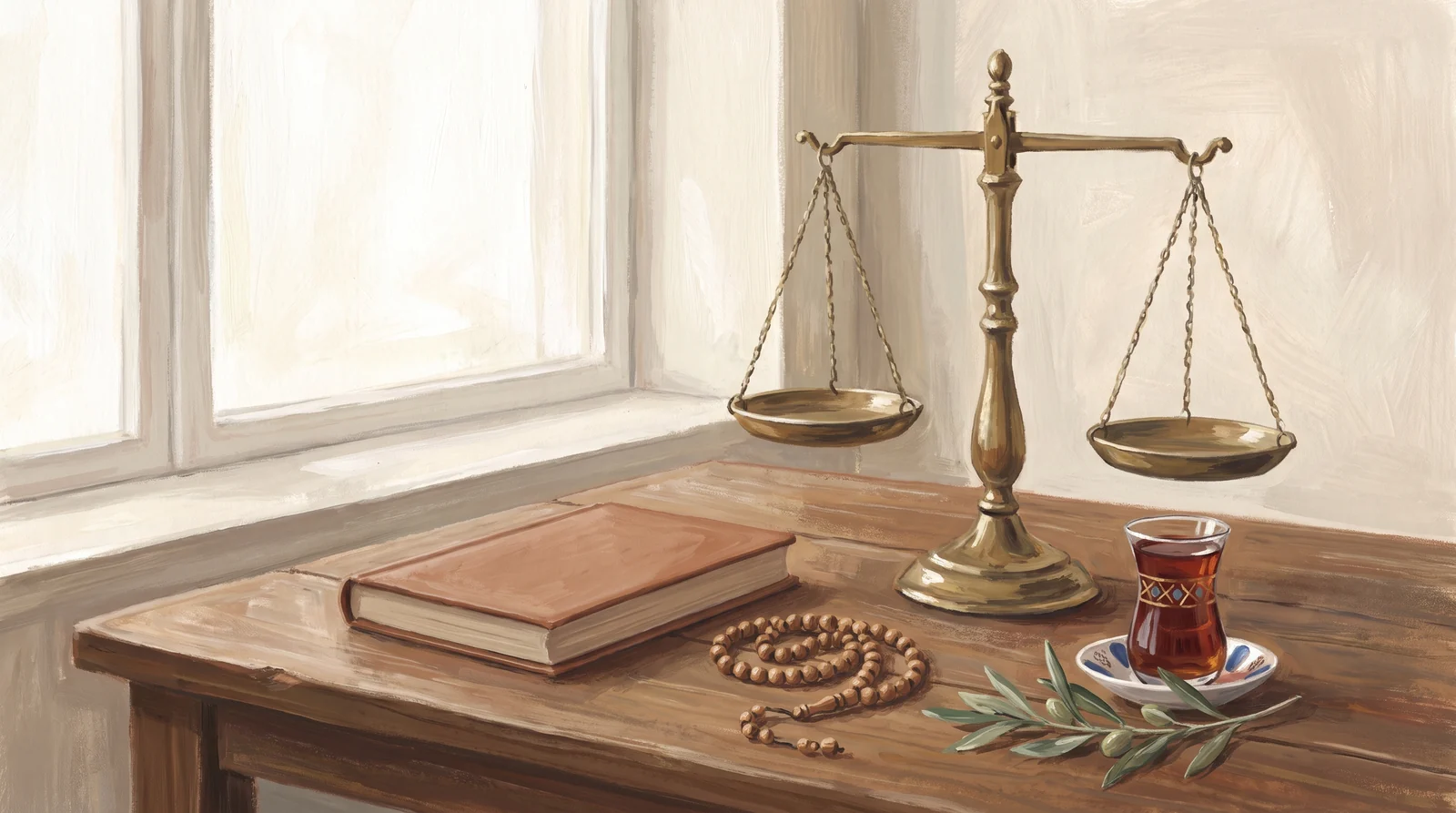
V. The measure of forgiveness: Forgiveness is not consent to oppression
Forgiveness is a virtue; but it does not mean abandoning rights, justice and safety.
My dear brothers and sisters! Understanding forgiveness correctly is the first condition for living it correctly.
We have praised forgiveness; now let us also correct a misunderstanding. Forgiveness does not mean consenting to oppression, nor abandoning rights, justice and safety. When the Qur’an describes the believers, it praises both those who do not bow to injustice and those who forgive:
وَالَّذِينَ إِذَا أَصَابَهُمُ الْبَغْيُ هُمْ يَنتَصِرُونَ
وَلَمَن صَبَرَ وَغَفَرَ إِنَّ ذَٰلِكَ لَمِنْ عَزْمِ الْأُمُورِ
They are those who, when wronged, stand together and defend their rights… And whoever is patient and forgives, that is truly among the matters that call for firm resolve.
al-Shura, 42:39 and 43
Scholars express this balance as follows: it is a virtue for the one who has been wronged to forgive; but without the victim’s consent, no person and no institution can forgive the offender on the victim’s behalf. (TDV İslâm Ansiklopedisi, “Af”.) The right to forgive belongs to the victim; the duty to secure justice belongs to legitimate institutions. The one who has been wronged either seeks their right through legitimate means or chooses to forgive; both are legitimate, but forgiveness is more virtuous.
Seeking one’s right
- Not bowing to injustice (al-Shura, 42:39)
- Turning to legitimate channels, professionals and the law
- Protecting safety, setting boundaries
Forgiving
- Forgiving with patience (al-Shura, 42:43)
- Uprooting resentment from the heart
- Resolving to mend the breach
Both are legitimate; forgiveness is more virtuous.
That is why, when a brother or sister is living with violence, threats, humiliation or abuse within the family, to tell them “Be patient, forgive, don’t break up your home” and then say nothing more is to put forgiveness in the wrong place. The Messenger of Allah never struck any woman or servant with his hand. (Muslim, Fada’il, 79) Life, reason and honour are a trust; the victim’s safety comes first. Turning to the helplines, professionals and legal channels of the country we live in is not contrary to our religion; it is protecting that trust.
Forgiving is not forgetting either. When Wahshi, who had martyred his uncle Hamza, became Muslim, the Messenger of Allah forgave him; but he asked him, if possible, not to appear before him. (al-Bukhari, Maghazi, 24) This shows that a person who forgives may set boundaries to protect themselves: they uproot resentment from their heart, but they do not abandon caution.
Then there are the rights of others. If we have touched someone’s property, labour or honour, simply saying “May Allah forgive” is not enough; we must return what is theirs, win back their heart and ask them to release us (halal). Our Prophet commanded whoever has wronged his brother to seek his forgiveness today, so that they release one another, before the day comes when gold and silver will count for nothing. (al-Bukhari, Mazalim, 10)

VI. Anger: An emotion to be disciplined
Anger is part of our nature; the fault lies in handing the reins to anger.
My dear brothers and sisters! Anger is an emotion that Allah has given to human beings. When it is in its proper place and measure, a person uses it to protect their life, their family, their homeland and what is right; it keeps their conscience standing against oppression. The fault lies not in the existence of anger, but in anger seizing the reins. Anger is like a trained horse: while the reins are in our hands, it carries us to our destination; once we lose the reins, it drags us over the cliff. To feel anger is human; to be a captive of anger is no virtue.
الَّذِينَ يُنفِقُونَ فِي السَّرَّاءِ وَالضَّرَّاءِ وَالْكَاظِمِينَ الْغَيْظَ وَالْعَافِينَ عَنِ النَّاسِ وَاللَّهُ يُحِبُّ الْمُحْسِنِينَ
They spend in the way of Allah in times of ease and hardship alike; they restrain their anger and pardon people. Allah loves those who do good.
Al ‘Imran, 3:134
The word translated as “anger”, ghayz, is the agitation that wells up in the heart in the face of something displeasing. Kazim is the one who swallows their anger and, though able to, does not set out to take revenge on those who harmed them. (Kur’an Yolu, I, 671–674) At the root of the word lies the image of tightly tying the mouth of a waterskin filled to the brim. A person who swallows their anger is like someone tying the mouth of a waterskin that is about to overflow. The order in the verse shows us three ascending steps:
- 1Swallowing angerkazm al-ghayzHolding back tongue and hand
- 2Pardoning‘afw and safhWaiving one’s right, not reproaching
- 3Doing goodihsanAnswering evil with good
“Allah loves the good-doers.”
Surah al-Shura also describes the believers as “those who forgive even when they are angry” (42:37). When Abdullah ibn al-Mubarak was asked, “Describe good character to us in one word,” he answered, “It is giving up anger.” (Ibn Rajab, Jami‘ al-‘Ulum wa al-Hikam, commentary on hadith 16) Our Prophet also said to al-Ashajj, the leader of the delegation of ‘Abd al-Qays: “You have two qualities that Allah loves: hilm and ta’anni.” (Muslim, Iman, 25) Hilm is the gentle temperament that masters anger; ta’anni is acting thoughtfully, without haste.
True strength and the distance between hearts
أَنَّ رَجُلًا قَالَ لِلنَّبِيِّ ﷺ أَوْصِنِي، قَالَ: لَا تَغْضَبْ. فَرَدَّدَ مِرَارًا، قَالَ: لَا تَغْضَبْ
A man said to our Prophet, “Give me advice.” Our Prophet said, “Do not get angry!” The man repeated his request several times; each time the Messenger of Allah said, “Do not get angry!”
al-Bukhari, Adab, 76 (6116)
Perhaps the man was expecting long advice; but the Messenger of Allah gave him, in a single word, the key that opens many doors. For many evils enter through the door that anger opens: hurtful words, insults, slander, oaths and words of divorce uttered in anger, violence, estrangements that last for years… Whoever manages their anger has closed most of these doors.
لَيْسَ الشَّدِيدُ بِالصُّرَعَةِ، إِنَّمَا الشَّدِيدُ الَّذِي يَمْلِكُ نَفْسَهُ عِنْدَ الْغَضَبِ
The strong person is not the one who defeats his opponent in wrestling; the truly strong is the one who masters himself in a moment of anger.
al-Bukhari, Adab, 76 (6114); Muslim, Birr, 107
Our Prophet gave the glad tidings that whoever swallows his anger while having the power to act on it, Allah will call before all creation on the Day of Judgement and let him choose whichever of the houris he wishes. (Abu Dawud, Adab, 3; al-Tirmidhi, Birr, 74) The true champion holds back tongue and hand in a moment of anger.
as anger grows, distance widensas love grows, hearts draw closer
- Shoutinghearts far off
- Talkingdistance shrinking
- Whisperinghearts close
- Glancingno words needed
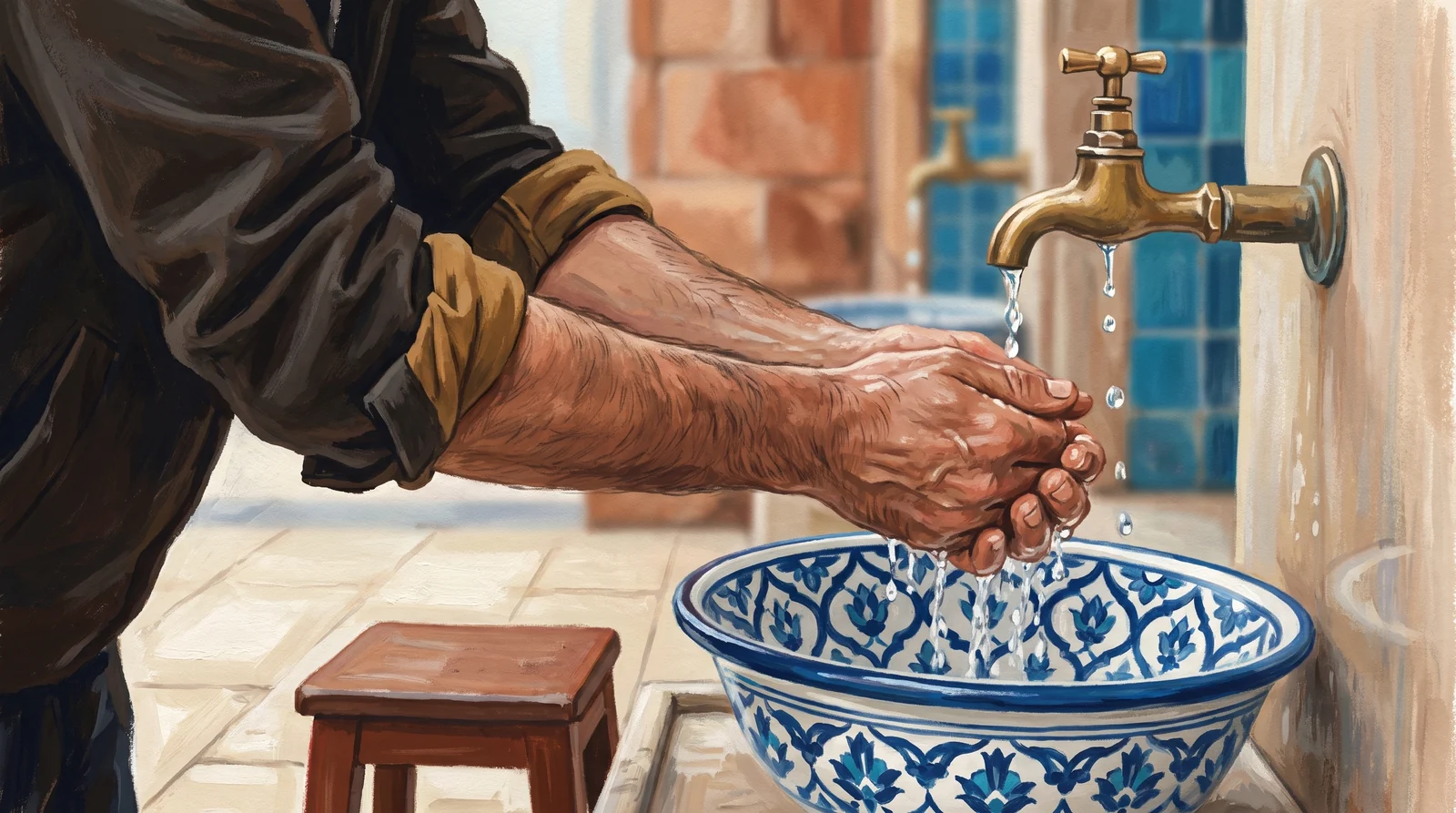
VII. When anger flares: The Prophetic remedy
Seeking refuge in Allah, keeping silent, changing posture, performing ablution, postponing decisions.
Before anger raises a person’s voice, it turns down the voice of the heart. That is why, in an argument, we must first manage not our words but our anger. Our Prophet showed us the way to do this as well:
- Seeking refuge in Allah
Seeing two people angry with each other, the Messenger of Allah said: “I know a phrase which, if he said it, his anger would leave him: A‘udhu billahi min ash-shaytan ar-rajim.” (al-Bukhari, Adab, 76; Muslim, Birr, 109)
- Keeping silent
“When one of you is angry, let him be silent.” (Ibn Hanbal, I, 239) Words not spoken in anger bring no regret.
- Changing one’s posture
“If one of you becomes angry while standing, let him sit down; if his anger leaves him, well and good; if not, let him lie down.” (Abu Dawud, Adab, 4)
- Performing ablution
There is also a narration that recommends putting out the fire of anger with water; although its chain contains weakness, scholars have adopted this advice as a beneficial measure. (Abu Dawud, Adab, 4) Getting up to perform ablution also takes a person away from the setting that feeds the anger.
- Taking a break and postponing decisions
No decision is made, no message sent and no oath sworn in anger. Hilm and ta’anni teach us to leave the decision to a calmer hour.
وَإِمَّا يَنزَغَنَّكَ مِنَ الشَّيْطَانِ نَزْغٌ فَاسْتَعِذْ بِاللَّهِ إِنَّهُ هُوَ السَّمِيعُ الْعَلِيمُ
If an incitement from Satan provokes you, seek refuge in Allah at once; for He is the All-Hearing, the All-Knowing.
Fussilat, 41:36
VIII. Anger and forgiveness in Europe: At home, at work, in the street, on screen
Everyday settings for disciplining anger: home, workplace, street, screen and community.
Precious brothers and sisters! Let us now carry this discipline into our daily lives.
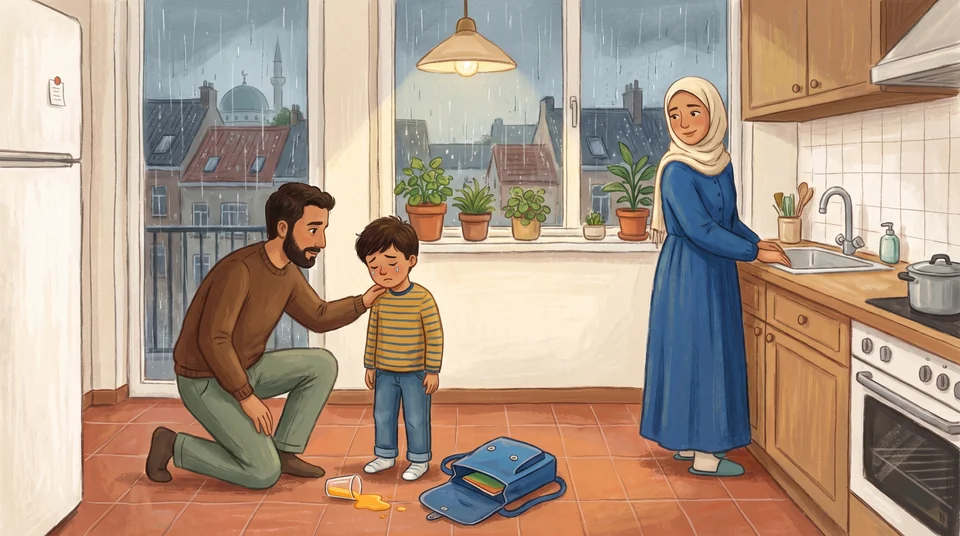
At home
Home is where anger wounds most, because it is with those closest to us that we hold ourselves back least. Anas served the Messenger of Allah for ten years and said that he never once heard so much as “uff” from him. (Muslim, Fada’il, 51) Upbringing given by shouting at a child teaches fear; calm and firm words teach trust. Words and oaths uttered between spouses in a moment of anger can lead to lifelong regret.
وَلَوْ كُنتَ فَظًّا غَلِيظَ الْقَلْبِ لَانفَضُّوا مِنْ حَوْلِكَ فَاعْفُ عَنْهُمْ وَاسْتَغْفِرْ لَهُمْ
Had you been harsh and hard-hearted, they would have scattered from around you. So pardon them and ask forgiveness for them.
Al ‘Imran, 3:159; excerpt of the verse

At work and on the road
An unfair remark on the shift, a horn blast in traffic, an impatient customer at the till… Here in Europe, every action of ours is also an act of representation. An answer given in anger can destroy in a moment the trust built up over years. If we are to claim our rights, let us do so calmly and through legitimate means.
Faced with hurtful and racist words
The servants of the Most Merciful, when the ignorant address them insultingly, say “Peace” and pass on. (al-Furqan, 25:63) This is not turning a blind eye to oppression; it is preserving one’s dignity. Let a brother or sister who faces discrimination direct their anger not into words and violence, but into legitimate complaints and legal channels.

On screen
On social media, a comment written in anger travels further than a voice; even if deleted, it leaves its mark. Let us not write when we are angry; if we have written, let us wait before sending. Let us not share a piece of news without checking whether it is true. (al-Hujurat, 49:6)
In our mosque and association
A difference of opinion at a meeting, hurt feelings in voluntary service… Let us not sacrifice the peace of our mosque to our personal anger. Let us challenge the idea, but not wound the person.
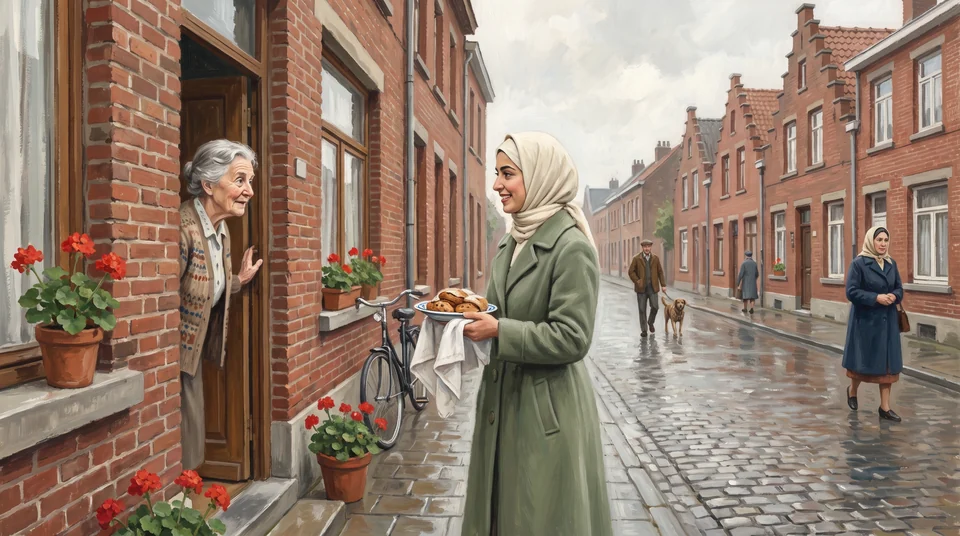
The three-day limit on estrangement
Our Prophet stated that it is not permissible for a Muslim to shun his brother for more than three days, and that of two people who turn away from each other when they meet, the better is the one who greets first. (al-Bukhari, Adab, 62) He also told us that deeds are presented on Mondays and Thursdays, and that for two people with enmity between them it is said: “Leave these two until they reconcile.” (Muslim, Birr, 35)
- Day 1Let anger settleLeave words and decisions to a calmer hour.
- Day 2Let the heart softenThink of apologising and seeking forgiveness; do not let the hurt grow.
- Day 3Be the first to greetKnock on the door, pick up the phone, start the peace yourself.

IX. From the pulpit to the heart: A heart free of rancour and seven promises
Waking each morning with a heart free of rancour, and seven promises to hang somewhere visible in our homes.
Dear congregation! Towards whom is there a knot in our hearts today?
Let us pause and think for a moment. Perhaps there is a brother or sister, a relative or a former business partner we have not spoken to for years. Perhaps someone wronged us; or perhaps we broke someone’s heart and our pride would not let us apologise. Life is not long enough for estrangements to wait. How many people have set out to make peace, only to find a gravestone before them.
يَا بُنَيَّ، إِنْ قَدَرْتَ أَنْ تُصْبِحَ وَتُمْسِيَ لَيْسَ فِي قَلْبِكَ غِشٌّ لِأَحَدٍ فَافْعَلْ
وَذَلِكَ مِنْ سُنَّتِي، وَمَنْ أَحْيَا سُنَّتِي فَقَدْ أَحَبَّنِي
My dear son! If you are able to pass your mornings and evenings without any rancour or ill will in your heart towards anyone, then do so. That is my Sunnah. And whoever revives my Sunnah has loved me.
al-Tirmidhi, ‘Ilm, 16 (2678); al-Tirmidhi graded it “hasan gharib”; excerpt of the narration
- When I am angry, I will keep silent. I will hold back my words until my anger subsides, and I will not let a hurtful word leave my tongue.
- I will seek refuge in Allah. Saying “A‘udhu billahi min ash-shaytan ar-rajim”, I will hand my anger over to my Lord.
- I will change my place and my posture. If I am standing, I will sit down; if need be, I will leave the room, perform ablution and give myself time.
- I will leave decisions to a calmer hour. In anger I will not swear an oath, speak words of separation, send a message or make a decision.
- I will not raise my voice at home. I will not shout at my spouse and children, raise my hand against them or belittle them.
- I will not stay estranged for more than three days. I will be the first to greet the person I am at odds with; I will not shy away from apologising or from accepting an apology.
- Every night I will cleanse my heart. I will resolve to go to sleep holding no grudge against anyone, and I will pray for the guidance of those who have hurt me.
وَمَا زَادَ اللَّهُ عَبْدًا بِعَفْوٍ إِلَّا عِزًّا
Allah increases the servant who forgives only in honour and dignity.
Muslim, Birr, 69 (2588); excerpt of the narration
Anger puts distance between hearts; forgiveness closes it. As we leave this Friday, let a name be in our minds: the name of the person we will call, greet and ask to forgive us. Now, with this intention, let us turn to our Lord.
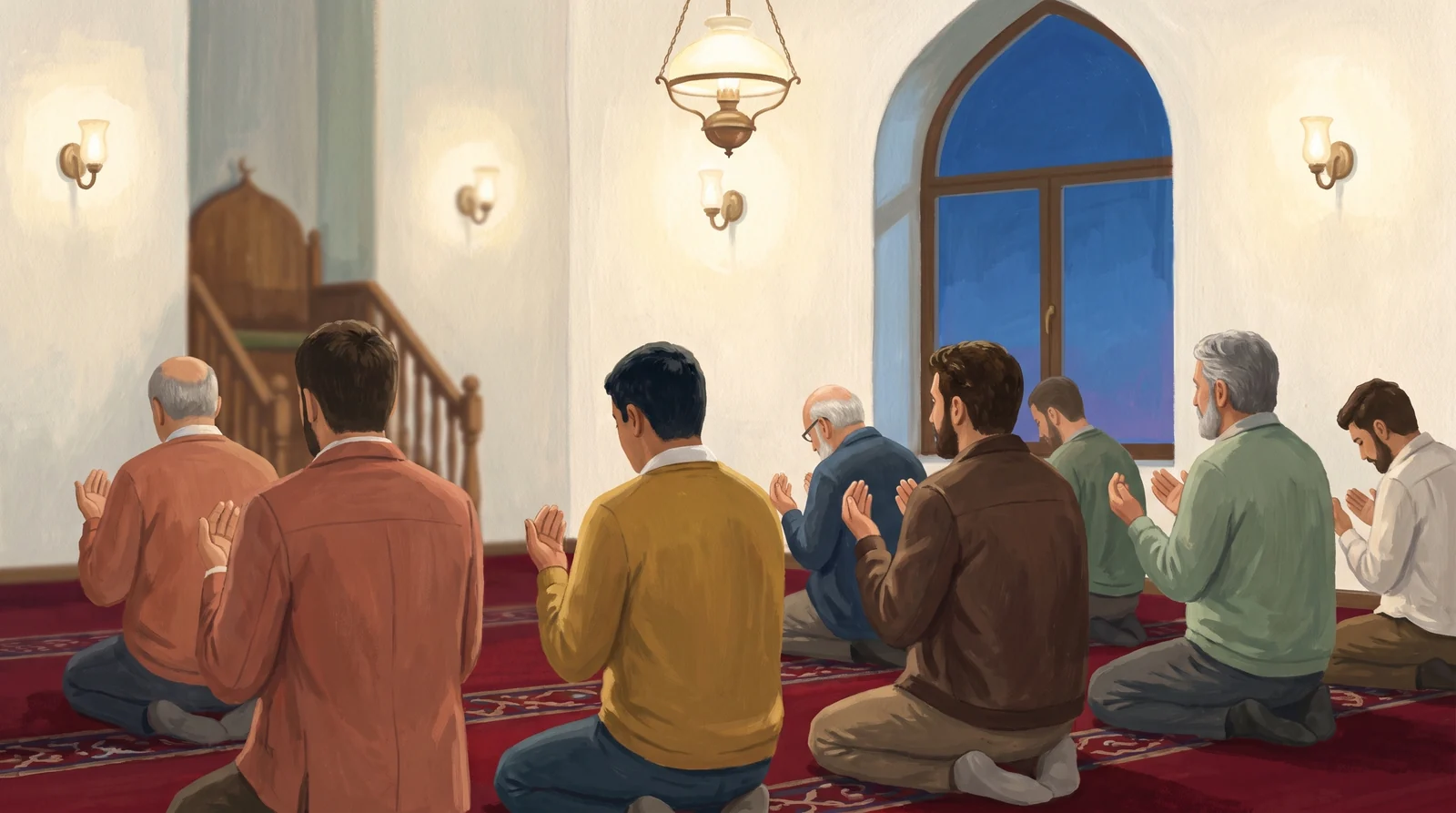
Closing and congregational supplication here in Europe
We turn to our Lord, asking Him to remove rancour from our hearts.
Precious brothers and sisters! Let us open our hearts to our Lord.
أَعُوذُ بِاللَّهِ مِنَ الشَّيْطَانِ الرَّجِيمِ
الْحَمْدُ لِلَّهِ رَبِّ الْعَالَمِينَ، وَالصَّلَاةُ وَالسَّلَامُ عَلَى رَسُولِنَا مُحَمَّدٍ وَعَلَى آلِهِ وَصَحْبِهِ أَجْمَعِينَ
I seek refuge in Allah from the evil of the accursed Satan. All praise belongs to Allah, Lord of the worlds. May blessings and peace be upon our Prophet Muhammad, his family and all his Companions.
Praise: al-Fatiha, 1:2. Seeking refuge and blessings: freely worded supplication
رَبَّنَا اغْفِرْ لَنَا وَلِإِخْوَانِنَا الَّذِينَ سَبَقُونَا بِالْإِيمَانِ وَلَا تَجْعَلْ فِي قُلُوبِنَا غِلًّا لِّلَّذِينَ آمَنُوا رَبَّنَا إِنَّكَ رَءُوفٌ رَّحِيمٌ
Our Lord! Forgive us and our brothers who preceded us in faith, and leave no rancour in our hearts towards those who believe. Our Lord! Truly You are Most Kind, Most Merciful.
al-Hashr, 59:10; the supplication in the verse
O Allah! You are al-‘Afuww, You love to pardon; so pardon us. Do not let our anger rule us. Guard our tongues from hurtful words and our hands from oppression. Grant us silence in moments of anger, justice when our tempers rise, and forgiveness when we are strong.
Our Lord! Fill our homes with tranquillity and our tables with warm affection. Reconcile those who are estranged; bring wounded hearts close to one another. Be the helper of those who are wronged and the protector of those who suffer violence; and grant us to stand by the oppressed.
O Allah! Here in Europe, make us representatives of good character; make us among Your servants who inspire trust in our neighbours and in the people of the town where we live. Grant guidance to those who wrong us, and peace of heart to those we have hurt.
Wa‘fu ‘anna waghfir lana warhamna, anta mawlana: Our Lord! Pardon us, forgive us and have mercy on us; You are our Protector (al-Baqara, 2:286). Grant us good in this world and good in the Hereafter, and protect us from the punishment of the Fire. Make us among Your servants who take on the beautiful character of the Noble Messenger, who forgive and are forgiven. Amin. Wal-hamdu lillahi Rabbil-‘alamin. Al-Fatiha.
Verses, hadiths and other sources
The translations convey the meaning; shortened verses and hadiths are indicated in the text. The Arabic wording of the verses is taken from the Tanzil text, and the wording of the hadiths has been checked against Tecrîd-i Sarîh and Hadislerle İslâm.
- Verses: al-Fatiha 1:2; Ta-Ha 20:25–28; al-Ma‘arij 70:19–35; al-Taghabun 64:14; al-Baqara 2:237; al-Shura 42:40; al-Nisa’ 4:43; al-Shura 42:30; Fatir 35:45; al-Nur 24:22; Yusuf 12:92; Al ‘Imran 3:103; al-A‘raf 7:199; Fussilat 41:34–36; al-Shura 42:37–43; Al ‘Imran 3:134; Al ‘Imran 3:159; al-Furqan 25:63; al-Hujurat 49:6; al-Hashr 59:10; al-Baqara 2:286; al-Baqara 2:201.
- Hadiths: al-Tirmidhi, Birr 69 (2016); al-Bukhari, Hudud 42 (6853); al-Bukhari, Tawhid 22 (7422); al-Tirmidhi, Da‘awat 84 (3513); al-Bayhaqi, al-Sunan al-Kubra IX, 195; al-Bukhari, Bad’ al-Khalq 7 (3231); al-Bukhari, Anbiya’ 54 (3477); al-Bukhari, Maghazi 32; Ibn Hanbal III, 389; al-Bukhari, Maghazi 24 (4072); Muslim, Fada’il 79; al-Bukhari, Mazalim 10; al-Bukhari, Adab 76 (6114, 6116); Muslim, Birr 107 and 109; Ibn Hanbal I, 239; Abu Dawud, Adab 3–4; al-Tirmidhi, Birr 74; Muslim, Iman 25; Muslim, Fada’il 51; al-Bukhari, Adab 62; Muslim, Birr 35; al-Tirmidhi, ‘Ilm 16 (2678); Muslim, Birr 69 (2588).
- Encyclopaedia and commentary: TDV İslâm Ansiklopedisi, “Af” and “Dü’sûr b. Hâris”; Kur’an Yolu (al-A‘raf 199, Al ‘Imran 134, Fussilat 34, al-Nur 22); al-Raghib al-Isfahani, al-Mufradat, “safh”; Ibn Rajab, Jami‘ al-‘Ulum wa al-Hikam, hadith 16.
- Images: The scene pictures are illustrative images generated with artificial intelligence; the pictures of historical places contain no depiction of people. The story “Why do people shout?” and the scene “Patience at the till” are also illustrative.