
Sermon
Mercy, the Divine Leaven of Existence: Whoever Shows Mercy to Those on Earth Is Shown Mercy
Mercy is the trust that ar-Rahman has placed in our hearts; it begins at home, reaches out to the neighbour and the stranger, and extends to the voiceless creatures and even to the soil; whoever shows mercy is shown mercy: the hundred parts of mercy, the Prophet of Mercy, mercy at home and in society, the mercy pledge and, in the appendix, 40 acts of mercy here in Europe.
Translated from the Turkish original. Read the Turkish original →
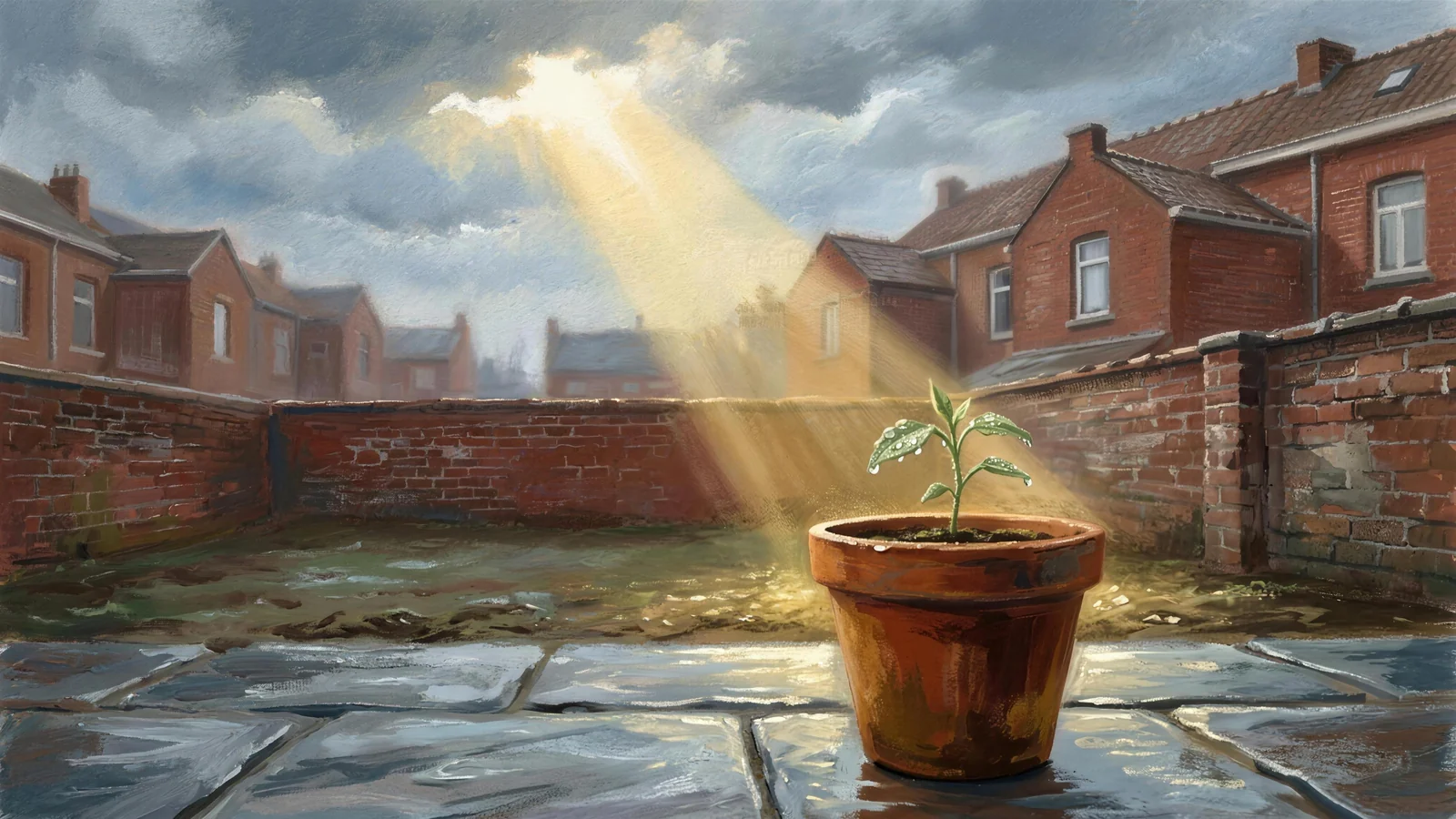
Mercy is the trust that ar-Rahman has placed in our hearts; it begins at home, reaches out to the neighbour and the stranger, and extends to the voiceless creatures and even to the soil; whoever shows mercy is shown mercy.
The images are illustrative scenes from the life of a congregation living in Europe today.Four main ideas
- Mercy is the share of our Lord’s hundred parts of mercy that came down to earth.Like a pinch of leaven, it binds a mother to her child and a neighbour to the one next door; it gives hope and does not embolden sin.
- Mercy begins at home.Gentleness towards the spouse, an embrace for the child, taking the elders under our wing; violence is the opposite of mercy.
- The circle widens to the neighbour, the stranger, the voiceless creatures and the earth.Mercy does not ask for a passport; a sip of water and a sapling are within this circle too.
- Mercy walks together with justice.Mercy without justice turns into weakness, justice without mercy into hardness; the believer carries both together.
Opening: The two names in the basmala
ar-Rahman and ar-Rahim: we begin every undertaking by recalling our Lord’s mercy.
بِسْمِ اللَّهِ الرَّحْمَٰنِ الرَّحِيمِ
الْحَمْدُ لِلَّهِ رَبِّ الْعَالَمِينَ، وَالصَّلَاةُ وَالسَّلَامُ عَلَى رَسُولِنَا مُحَمَّدٍ وَعَلَى آلِهِ وَصَحْبِهِ أَجْمَعِينَ
قَالَ رَبِّ اشْرَحْ لِي صَدْرِي وَيَسِّرْ لِي أَمْرِي وَاحْلُلْ عُقْدَةً مِّن لِّسَانِي يَفْقَهُوا قَوْلِي
In the name of Allah, the All-Merciful, the Ever-Merciful. All praise belongs to Allah, Lord of the worlds. May blessings and peace be upon our Prophet Muhammad, his family and all his Companions.
Moses said, “My Lord! Give my heart ease, make my task easy for me, loosen the knot from my tongue, so that they may understand my words well.”
Basmala: al-Fatiha 1:1. Praise: al-Fatiha 1:2. Blessings on the Prophet: freely worded supplication. Supplication: Ta-Ha 20:25–28
Dear congregation! My brothers and sisters, who take refuge in the mercy of ar-Rahman and look upon their homes and their neighbours with mercy!
How many times a day do we say “Bismillah ar-Rahman ar-Rahim”? The two names we repeat at every beginning come from the root r-h-m, the root of mercy: ar-Rahman and ar-Rahim. A Muslim begins every undertaking by recalling the mercy of their Lord. Our Lord opens the door like this:
وَرَحْمَتِي وَسِعَتْ كُلَّ شَيْءٍ
but My mercy encompasses all things
al-A‘raf 7:156; excerpt from the verse
Mercy is a principle that our Lord has written upon Himself: “Your Lord has prescribed mercy upon Himself.” (al-An‘am 6:54) A hadith qudsi (sacred hadith) conveys the same truth:
إِنَّ اللَّهَ لَمَّا قَضَى الْخَلْقَ كَتَبَ عِنْدَهُ فَوْقَ عَرْشِهِ إِنَّ رَحْمَتِي سَبَقَتْ غَضَبِي
When Allah had finished creating, He wrote in His presence, upon the (book) that is above the Throne (‘Arsh): “Truly, My mercy has outstripped My wrath.”
al-Bukhari, Tawhid 22; Muslim, Tawba 15
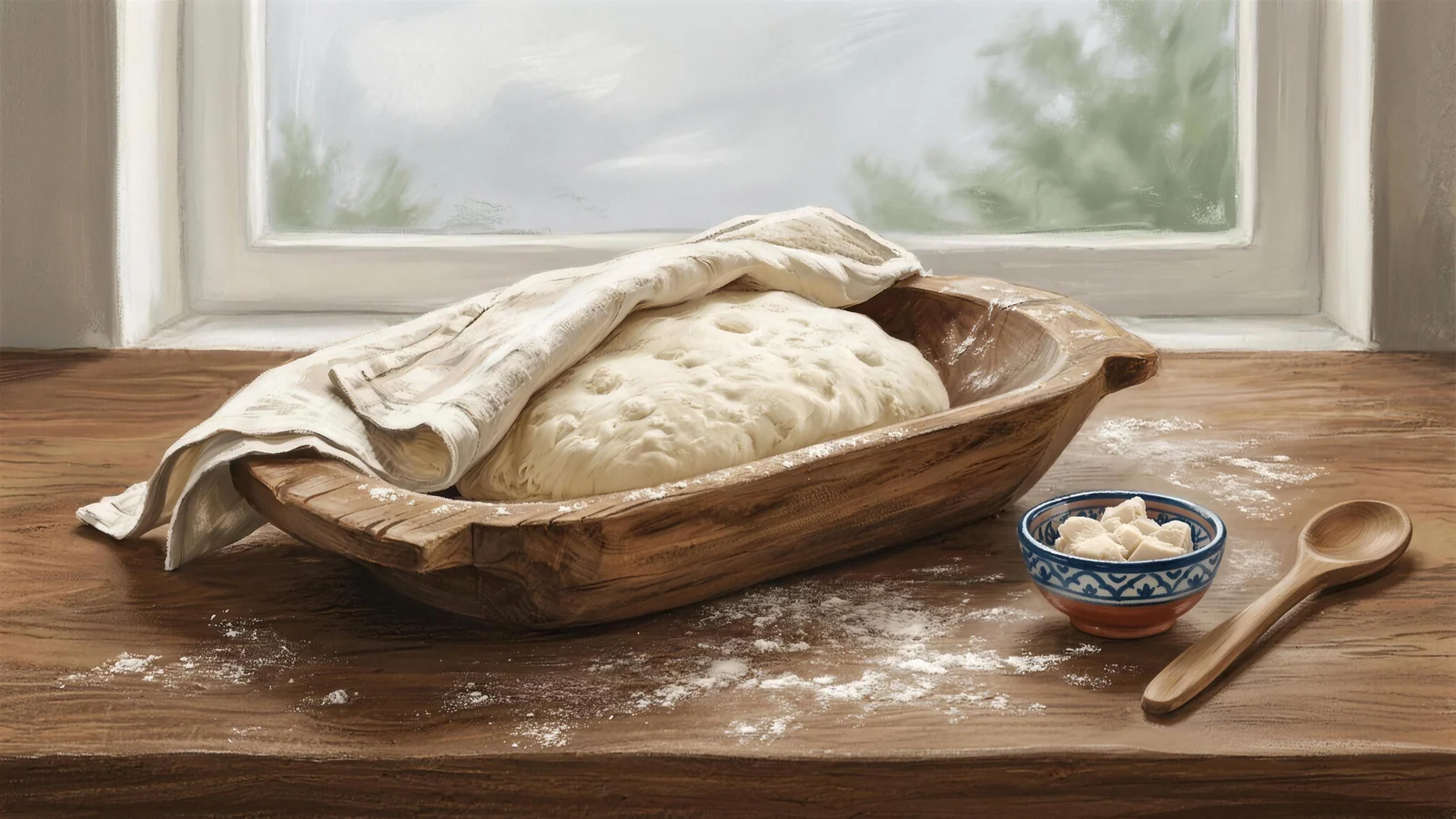
So how does this mercy come down to earth? Let us think of the kneading trough: there is flour and there is water, but the dough does not rise until a pinch of leaven goes into it. The leaven of every act of mercy on earth is the small share that our Lord sent down from His mercy; it is what makes a mother love her child and a neighbour love the one next door. We shall read the hadith on which this image rests in a moment.
A scene from our life in Europe: On a winter morning, at six o’clock, a father scrapes the first frost from the windscreen of his car. His sleepy children sit on the back seat. As he gets behind the wheel and turns the key, he says “Bismillah ar-Rahman ar-Rahim.” Then he asks himself: “Whom will my mercy touch today?”
Our main sentence: Mercy is the trust that ar-Rahman has placed in our hearts; it begins at home, reaches out to the neighbour and the stranger, and extends to the voiceless creatures and even to the soil; whoever shows mercy is shown mercy.
Every deed that begins with the basmala begins with mercy.
I. What is mercy? The share of the hundred parts of mercy that came down to earth
Only one of our Lord’s hundred parts of mercy came down to earth; all tenderness comes from that share.
So what is mercy? In the dictionary it means “to feel compassion, to show tenderness”; scholars describe it as the feeling of compassion that moves a person to be sensitive to the distress of others and to help them. (DİA, “Merhamet”, XXIX, 184–185) In other words, mercy is not feeling compassion and walking on, but stopping and running to help. The Arabic word rahma comes from the same root as rahim, the word for a mother’s womb; in a hadith qudsi our Lord says: “I am Allah, I am ar-Rahman. I created the rahim (the bond of kinship) and derived for it a name from My own names. Whoever joins it, I shall join; whoever cuts it, I shall cut.” (al-Tirmidhi, Birr 9; Abu Dawud, Zakat 45) Now let us look at the share of this mercy that came down to earth. Abu Hurayra (may Allah be pleased with him) relates that the Messenger of Allah (peace and blessings be upon him) said:
جَعَلَ اللَّهُ الرَّحْمَةَ مِائَةَ جُزْءٍ، فَأَمْسَكَ عِنْدَهُ تِسْعَةً وَتِسْعِينَ جُزْءًا، وَأَنْزَلَ فِي الأَرْضِ جُزْءًا وَاحِدًا، فَمِنْ ذَلِكَ الْجُزْءِ يَتَرَاحَمُ الْخَلْقُ، حَتَّى تَرْفَعَ الْفَرَسُ حَافِرَهَا عَنْ وَلَدِهَا خَشْيَةَ أَنْ تُصِيبَهُ
Allah divided mercy into a hundred parts, kept ninety-nine parts with Him and sent down one part to the earth. It is through this one part (of mercy) that all creatures show mercy to one another. A mare even lifts her hoof (as an effect of this mercy) for fear of treading on her foal (while it is suckling) and hurting it.
al-Bukhari, Adab 19; Muslim, Tawba 17
Kept for the Hereafter
- Ninety-nine parts with our Lord
The share that came down to earth
- One part
- Mother
- Father
- Neighbour
- Animal
From the one part, branches reach to the mother, the father, the neighbour and the animal.

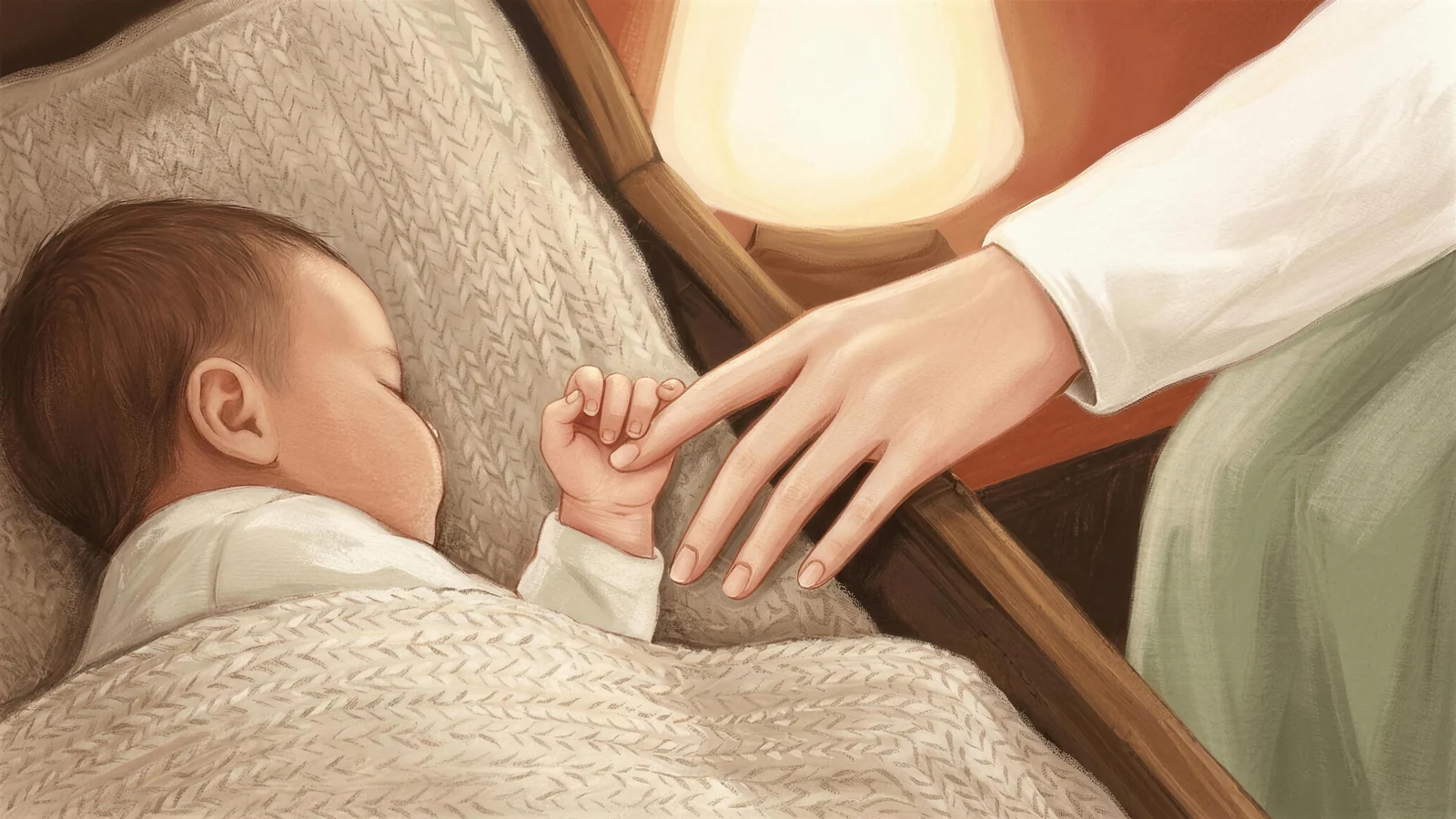
This one part is what we call the leaven: that single part sent down to earth binds a mother to her child, a mare to her foal, a neighbour to the one next door. So how great is the mercy of our Lord? A scene that our Prophet described lets us feel it:
Let this good news plunge us neither into despair nor into heedlessness. “Do not despair of Allah’s mercy.” (az-Zumar 39:53) But the same Lord also declares: “Tell My servants that I am truly the Forgiving, ar-Rahim.” (al-Hijr 15:49) “But My punishment is also a most painful punishment!” (al-Hijr 15:50) Mercy gives hope; it does not embolden sin.
A scene from our life in Europe: A father waits on a plastic chair in the maternity-ward corridor of the hospital in Marche, his coffee gone cold, his eyes on the door. In the same town, a grown child keeps the night watch at a sick mother’s bedside until morning, and under the eaves a bird takes her chick beneath her wing. All of it comes from the leaven of that one part.
All the tenderness on earth is only one of our Lord’s hundred parts of mercy.
II. A mercy to the worlds: The Prophet of Mercy
Hope instead of a curse: the path of mercy from Ta’if to the conquest of Mecca.
The greatest share of our Lord’s mercy to come down to earth is a prophet. The Qur’an describes him in a single sentence, and then describes how he looks upon his community (umma):
وَمَا أَرْسَلْنَاكَ إِلَّا رَحْمَةً لِّلْعَالَمِينَ
لَقَدْ جَاءَكُمْ رَسُولٌ مِّنْ أَنفُسِكُمْ عَزِيزٌ عَلَيْهِ مَا عَنِتُّمْ حَرِيصٌ عَلَيْكُم بِالْمُؤْمِنِينَ رَءُوفٌ رَّحِيمٌ
And We have sent you only as a mercy to the worlds.
Truly, a messenger has come to you from among yourselves: your hardship weighs heavily on him, he cares deeply for you, and towards the believers he is full of tenderness and mercy.
al-Anbiya’ 21:107; at-Tawba 9:128
“A mercy to the worlds” means mercy not for the believers alone but for all existence. When he was asked to “Invoke a curse!” against the polytheists, the answer he gave was this:
قِيلَ يَا رَسُولَ اللَّهِ ادْعُ عَلَى الْمُشْرِكِينَ
إِنِّي لَمْ أُبْعَثْ لَعَّانًا وَإِنَّمَا بُعِثْتُ رَحْمَةً
Abu Hurayra relates: “O Messenger of Allah! Invoke a curse upon the polytheists!” it was said. The Messenger of Allah replied: “I was not sent as one who curses; rather, I was sent as a mercy.”
Muslim, Birr 87
Known in the sources of the Prophet’s biography (sira) as the return from Ta’if, that day was described by the Prophet himself to ‘A’isha:
This gentleness was, in the words of the verse, a mercy granted by Allah: “It was only through a mercy granted by Allah that you were gentle with them. Had you been rough and hard-hearted, they would surely have scattered from around you.” (Al ‘Imran 3:159) We see the same mercy at the conquest of Mecca. According to what the sources of the Prophet’s biography (sira) report, he said to the people of Mecca, who had tormented him for years, “Today there is no reproach upon you; go, you are all free”; and in an authentic (sahih) hadith there is the glad tiding: “Whoever enters the house of Abu Sufyan is safe.” (Muslim, Jihad wa-l-siyar 84)
A scene from our life in Europe: Our Belgian neighbour whom we meet on the stairs has perhaps never opened a translation of the Qur’an, but is looking at our faces. More often than not, people get to know Islam not from books but from us. A warm greeting is a door that opens towards the Prophet of Mercy; a sullen face is a curtain that comes between.
- Ta’ifSupplication
- UhudGentleness
- Conquest of MeccaForgiveness
- A grandchild’s deathTears
Four stops, one road: mercy.
The community of the Prophet of Mercy carries mercy wherever it goes.

III. Tears too are mercy: The soft heart and the hard heart
Tears are not weakness; the real danger is the heart turning to stone.
The finest example of a soft heart is our Prophet’s tears. Usama ibn Zayd (may Allah be pleased with him) relates this to us.
He wept at the death of his son Ibrahim too. To ‘Abd al-Rahman ibn ‘Awf, who said, “You too, O Messenger of Allah?” he replied, “This is a mercy”; then he said: “The eye weeps and the heart grieves, yet we say nothing except what pleases our Lord. O Ibrahim! We are truly grieved at your parting.” (al-Bukhari, Jana’iz 43; Muslim, Fada’il 62)
The opposites of mercy
- Hardness of heart: the hardening of the heart
- Violence
- Oppression
- Rudeness
The companions of mercy
- Rahma
- Tenderness
- Ra’fa
- Gentleness: acting gently
- Forbearance: mastering one’s anger
Mercy in the middle; its companions and its opposites beside it.
The Qur’an uses a striking comparison for hearts that grow hard; it says this while describing the state of one of the earlier communities, but we read the verse to our own hearts:
فَهِيَ كَالْحِجَارَةِ أَوْ أَشَدُّ قَسْوَةً وَإِنَّ مِنَ الْحِجَارَةِ لَمَا يَتَفَجَّرُ مِنْهُ الْأَنْهَارُ
your hearts are now like stone, or even harder. There are stones from which rivers well up;
al-Baqara 2:74; excerpt from the verse
Even from stone rivers well up; may our hearts not be harder than stone! Our Lord calls to the believers too: “Has the time not yet come for the hearts of those who believe to tremble with awe at the remembrance of Allah and at the truth that has been revealed?” (al-Hadid 57:16) In a narration whose chain of narration contains a weakness, it is narrated that our Prophet said to a man who complained of the hardness of his heart, “Stroke the orphan’s head and feed the poor.” (Ahmad ibn Hanbal, Musnad, II, 263, 387)
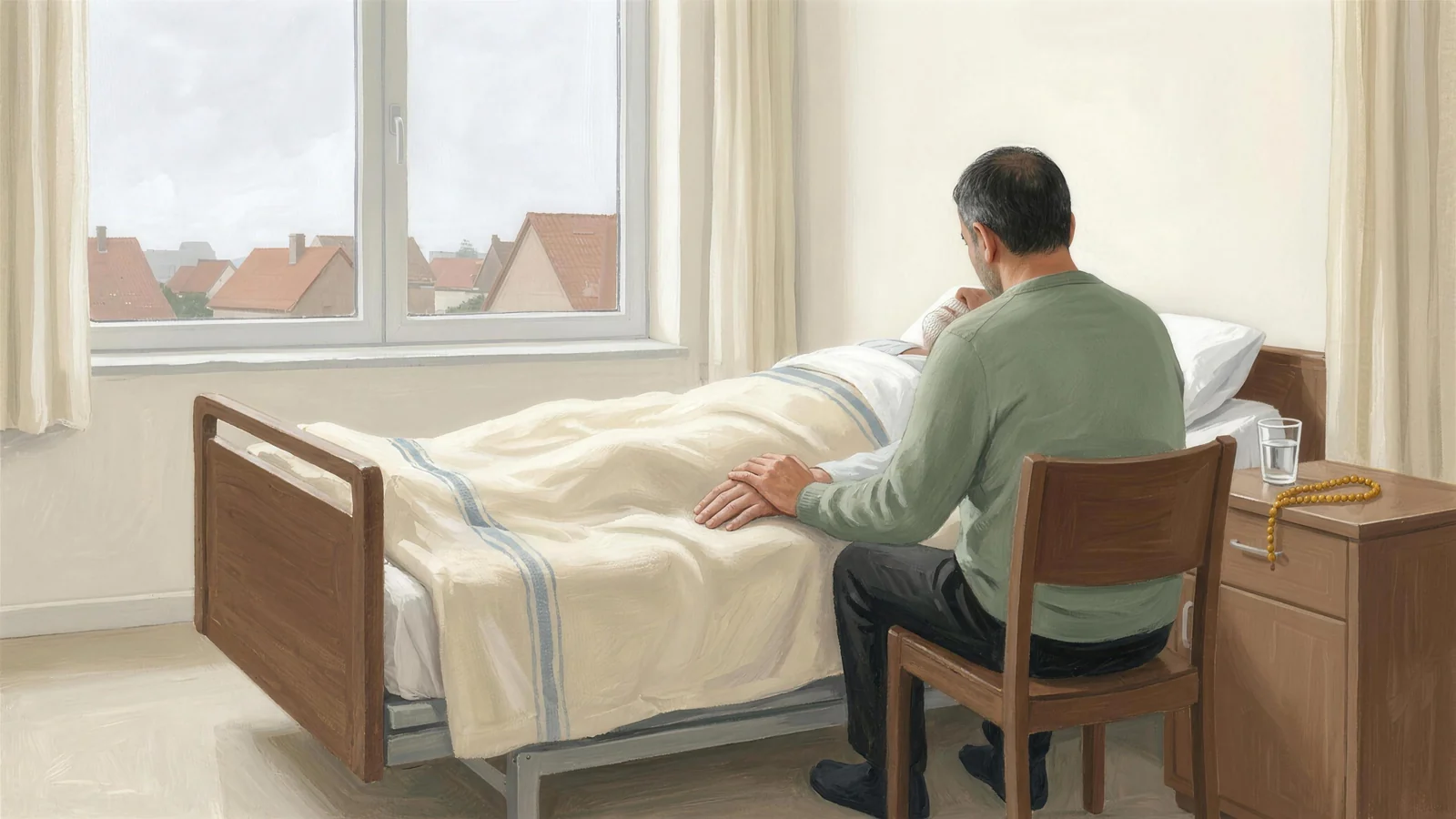
A scene from our life in Europe: In the evening, as we scroll through the news on our phones, how many painful images pass before us each day; we simply swipe past them with a finger. Getting used to pain is the slow hardening of the heart. Yet at a funeral prayer, in a hospital corridor, or when we hold the hand of an elderly person in a care home, that same heart softens. For whoever among us says “My heart has hardened,” the remedy is clear: this week, a sick person, an orphan, a lonely elder.
Tears are not weakness but the sign of a living heart.
IV. Mercy begins at home: Mawadda and rahma
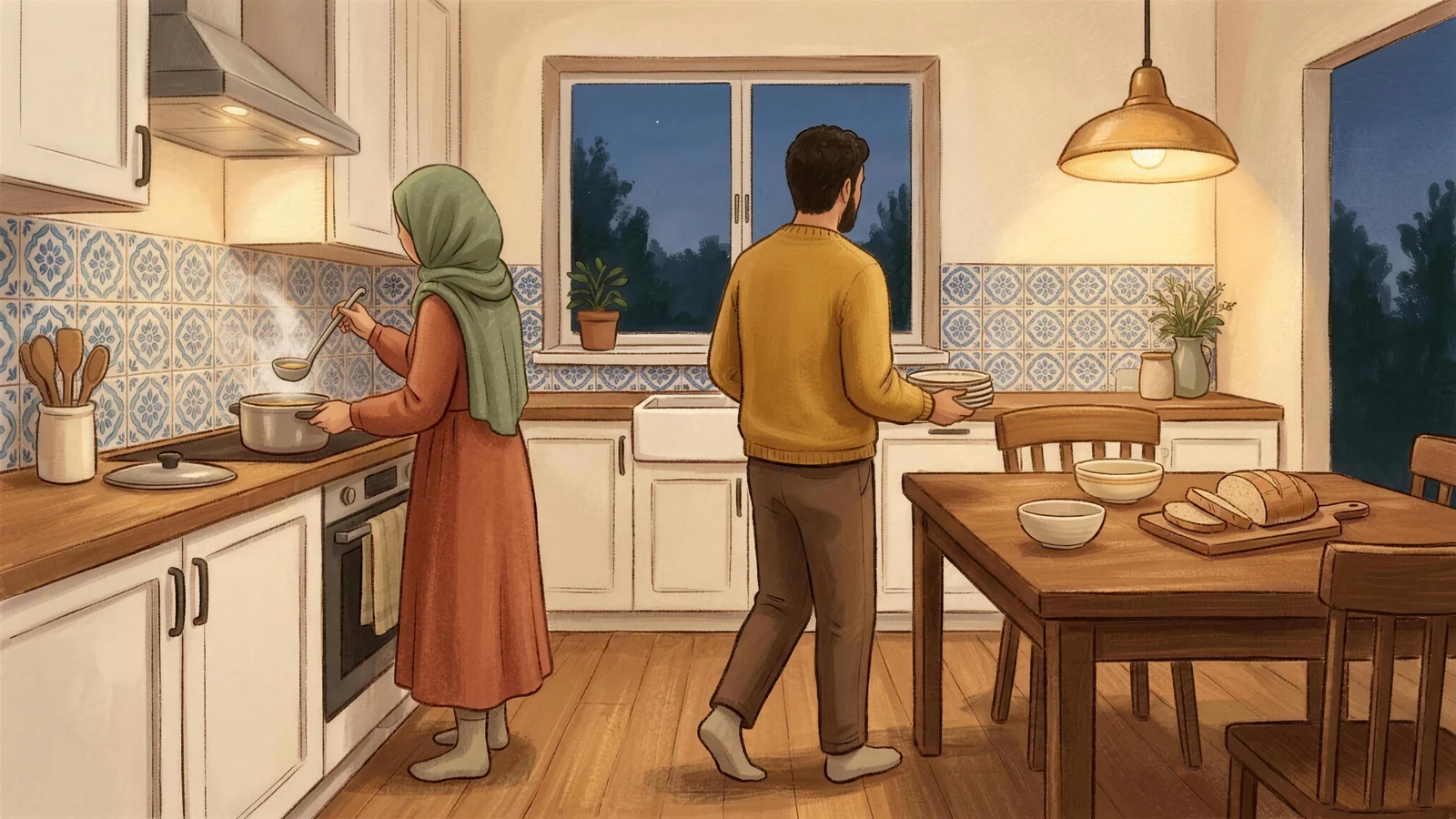
The mortar of the home is small daily mercies; violence is the opposite of mercy.
Mercy is tested inside the home. When our Lord speaks of marriage, He places two words side by side; the words rendered in the translation of the meaning as “love and tenderness” are, in Arabic, mawadda and rahma: love and mercy.
وَمِنْ آيَاتِهِ أَنْ خَلَقَ لَكُم مِّنْ أَنفُسِكُمْ أَزْوَاجًا لِّتَسْكُنُوا إِلَيْهَا وَجَعَلَ بَيْنَكُم مَّوَدَّةً وَرَحْمَةً إِنَّ فِي ذَٰلِكَ لَآيَاتٍ لِّقَوْمٍ يَتَفَكَّرُونَ
It is among His signs that He created for you spouses from your own kind, so that you may find ease and closeness with them, and that He placed feelings of love and tenderness between you. Truly, in this there are lessons for people who reflect.
ar-Rum 30:21
The mortar of the home is small daily mercies. ‘A’isha was asked, “What did our Prophet do at home?” and she replied: “He busied himself with the work of his family; that is, he was at his family’s service. When the time for prayer came, he would go out to pray.” (al-Bukhari, Adab 40; Adhan 44) He himself also said:
خَيْرُكُمْ خَيْرُكُمْ لأَهْلِهِ وَأَنَا خَيْرُكُمْ لأَهْلِي
مَا ضَرَبَ رَسُولُ اللَّهِ صلى الله عليه وسلم شَيْئًا قَطُّ بِيَدِهِ وَلاَ امْرَأَةً وَلاَ خَادِمًا إِلاَّ أَنْ يُجَاهِدَ فِي سَبِيلِ اللَّهِ
The best of you is the one who is best to their family, and I am the best of you to my family.
‘A’isha (may Allah be pleased with her) relates: The Messenger of Allah (peace and blessings be upon him) never struck anything with his hand, neither a woman nor a servant, except when fighting in the way of Allah.
al-Tirmidhi, Manaqib 63; Ibn Majah, Nikah 50; Muslim, Fada’il 79
Our Prophet calls this gentleness “rifq”; rifq is dealing with people with courtesy, without hurting them. “O ‘A’isha! Allah is gentle (rafiq: He deals gently) and loves gentleness; and for gentleness He gives what He does not give for harshness, nor for anything else.” (Muslim, Birr 77) “Gentleness adorns everything it is found in, and whatever it is taken away from, it makes ugly.” (Muslim, Birr 78)
- Kind wordNo hurtful word.
- HelpA hand reaching for the washing-up.
- Thanks“Thank you for the meal”.
- PatienceFirst fall silent, then speak.
On the roof “Love and mercy”; in four windows a kind word, help, thanks and patience.
A scene from our life in Europe: The shift ended at six in the evening. All day we swallowed the harshness of the foreman, the customer, the traffic; it is far too easy to bring it all home and unload it. At the table our eyes are on the phone, and nobody thinks of the weariness of the hand that made the meal. When did we last say “Thank you for the meal” in our home? A greeting as we walk in, a smile, a hand reaching for the washing-up: our Prophet used to do this at home.
The first address of mercy is our home; the best of us is the one who is best to their family.

V. Tenderness for the young: The child who is kissed and hugged
Tenderness is a matter of time and of the body; setting limits is also mercy.
The mercy of the home begins with the child. We understand how our Prophet treated children also from the astonishment of those who saw him. One day, as he was kissing his grandson al-Hasan, al-Aqra‘ ibn Habis, who was sitting beside him, and on another day a Bedouin, said that they did not kiss children:
مَنْ لاَ يَرْحَمُ لاَ يُرْحَمُ
أَوَ أَمْلِكُ لَكَ أَنْ نَزَعَ اللَّهُ مِنْ قَلْبِكَ الرَّحْمَةَ
Abu Hurayra (may Allah be pleased with him) relates: The Messenger of Allah (peace and blessings be upon him) kissed al-Hasan ibn ‘Ali; al-Aqra‘ ibn Habis of the tribe of Tamim was sitting beside him. Al-Aqra‘ said: “I have ten children and have never kissed any of them.” The Messenger of Allah looked at him and then said: “Whoever does not show mercy will not be shown mercy.”
‘A’isha (may Allah be pleased with her) relates: A Bedouin came to our Prophet and said, “Do you kiss children? We do not.” Our Prophet said: “If Allah has taken mercy out of your heart, what can I do for you?”
al-Bukhari, Adab 18; Muslim, Fada’il 64–65
Tenderness is not only a word of love; it is a matter of time and of the body. Our Prophet used to carry his granddaughter Umama while praying; when he went down in prostration he would set her on the ground, and when he rose he would lift her again. (al-Bukhari, Salat 106; Muslim, Masajid 41) When he heard a child crying he would keep the prayer short: “When I stand to pray I wish to prolong it; but when I hear a child crying, I keep the prayer short so as not to cause the child’s mother distress.” (al-Bukhari, Adhan 65; Muslim, Salat 192) Anas (may Allah be pleased with him), who was in his service for ten years, relates: “I served the Prophet for ten years; he never once said ‘Uff’ to me, nor did he ever say to me about something I had done, ‘Why did you do that?’ or about something I had not done, ‘Why did you not do that?’” (al-Bukhari, Adab 39; Muslim, Fada’il 51) And this is Anas’s testimony again: “I never saw anyone more merciful towards his family than the Messenger of Allah.” (Muslim, Fada’il 63) When a man whom ‘Umar wished to appoint said, “I have so many children and have never kissed one of them,” it is narrated that ‘Umar said: “Allah shows mercy only to the best of His servants.” (al-Bukhari, al-Adab al-Mufrad 99; its chain is good (hasan)) This is reported as a saying of ‘Umar, not of the Prophet.
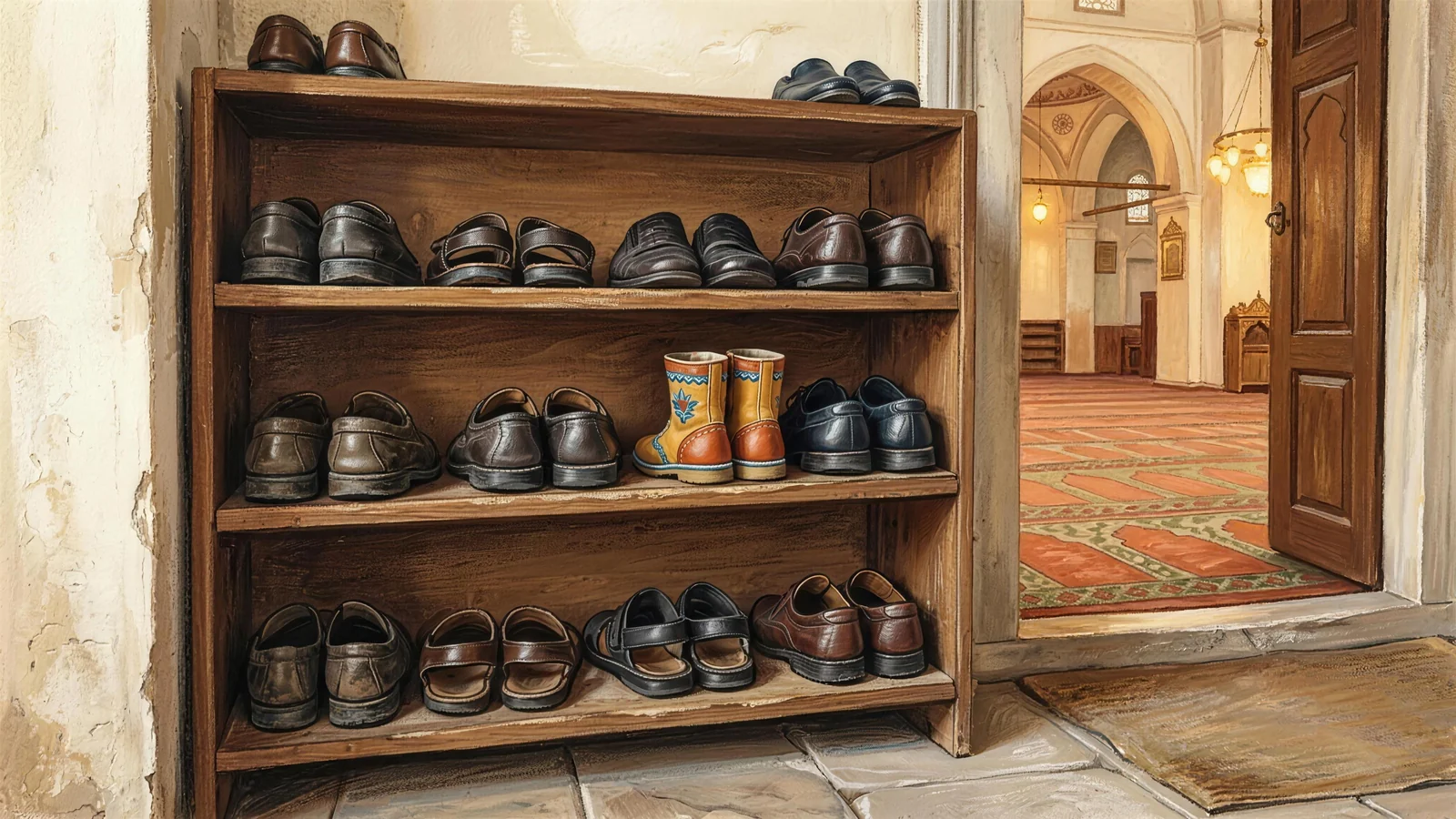
A scene from our life in Europe: A small child running between the rows in the mosque before the Friday prayer. The brows of some of our elders knit. Yet that sound is a sign that the mosque is alive; to scold a child and so turn them cold towards the mosque may keep them away from its door for a lifetime. When our child comes home from school, thinking in French or Dutch, and brings the school report, they also expect patience from us: even beside a poor mark they deserve an embrace, and do not deserve a single belittling word. This evening let us hug our child and listen, looking into their face.
A child who is hugged will know, once grown, how to open their arms.
VI. Mercy towards the elders: Lowering the wing
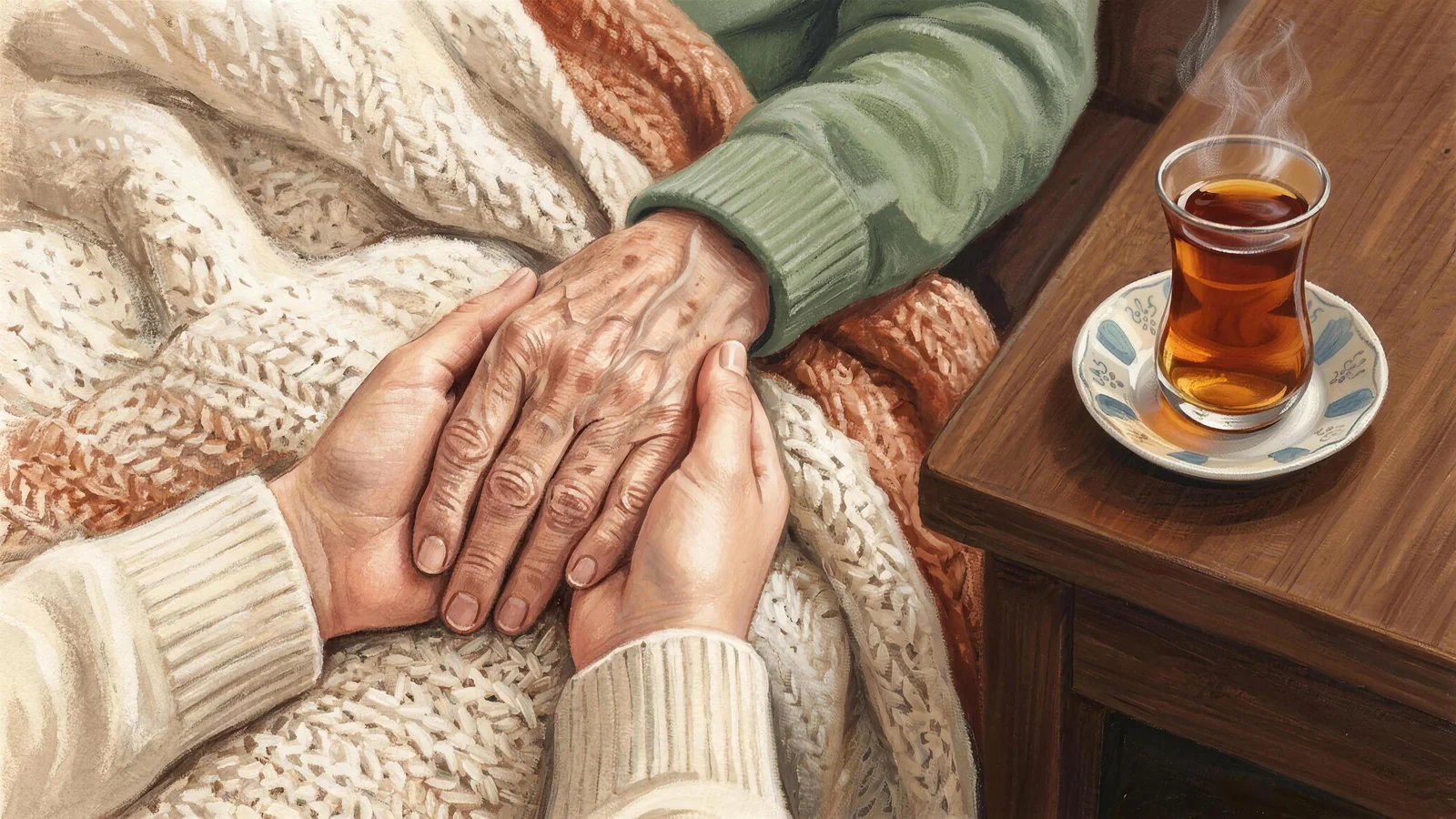
It is now our turn, for those who took us under their wings when we were small.
The mercy of the home deepens with our elders. The Qur’an sets our manner towards parents: “If one or both of them grow old with you, do not even say ‘Uff’ to them! Do not scold them! Speak to both of them with gracious words that win their hearts.” (al-Isra’ 17:23) The verse that follows at once points the way with an expression that recalls the wing of a bird:
وَاخْفِضْ لَهُمَا جَنَاحَ الذُّلِّ مِنَ الرَّحْمَةِ وَقُل رَّبِّ ارْحَمْهُمَا كَمَا رَبَّيَانِي صَغِيرًا
Take them under your wing with mercy and humility, and pray: “My Lord! As they nurtured and raised me with tenderness when I was small, now show them mercy yourself.”
al-Isra’ 17:24
A bird takes its chick under its wing; they too took us under their wings when we were small. The surah Luqman reminds us how heavy that burden was: “His mother carried him in her womb, growing weaker and weaker” (Luqman 31:14). Now it is our turn. Our Prophet put tenderness for the young and respect for the elders into one sentence:
لَيْسَ مِنَّا مَنْ لَمْ يَرْحَمْ صَغِيرَنَا وَيَعْرِفْ شَرَفَ كَبِيرِنَا
Whoever does not show mercy to our young ones, nor recognise the worth of our elders, is not one of us.
al-Tirmidhi, Birr 15; Abu Dawud, Adab 58
Tenderness for the young
- Hugging, looking at their face and listening
- Keeping the prayer short
- Saying “no” and giving the reason
Respect for the elders
- Taking under one’s wing
- Phoning every week, visiting
- Giving up one’s place, listening
Above the arch: Being one of us.
In another hadith our Prophet says three times, “May his nose be rubbed in the dust!”; when asked, “O Messenger of Allah, who?” he replies: “It is the one in whose care one or both parents grow old and who still does not enter Paradise.” (Muslim, Birr 9) This harsh saying is meant to show what a great door to Paradise elderly parents are. In a narration graded good (hasan), it is conveyed that showing respect to a Muslim whose hair and beard have turned grey is part of showing respect to Allah. (Abu Dawud, Adab 20) Again, according to a narration graded good (hasan), when Abu Bakr brought his aged father Abu Quhafa into our Prophet’s presence, our Prophet said: “You should have left the old man at home, and I would have come to him.” (Ahmad ibn Hanbal, Musnad, VI, 349–350)
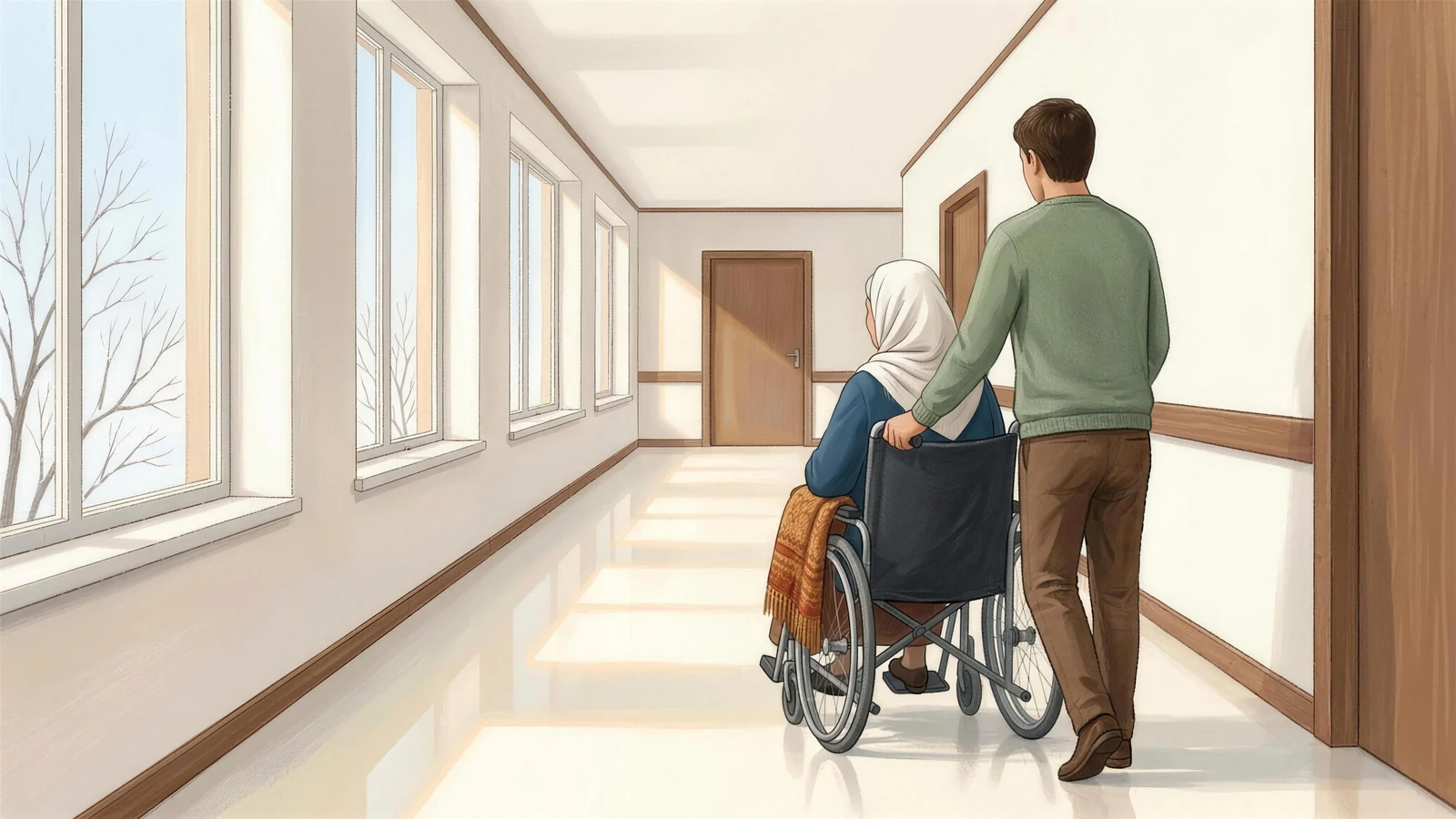
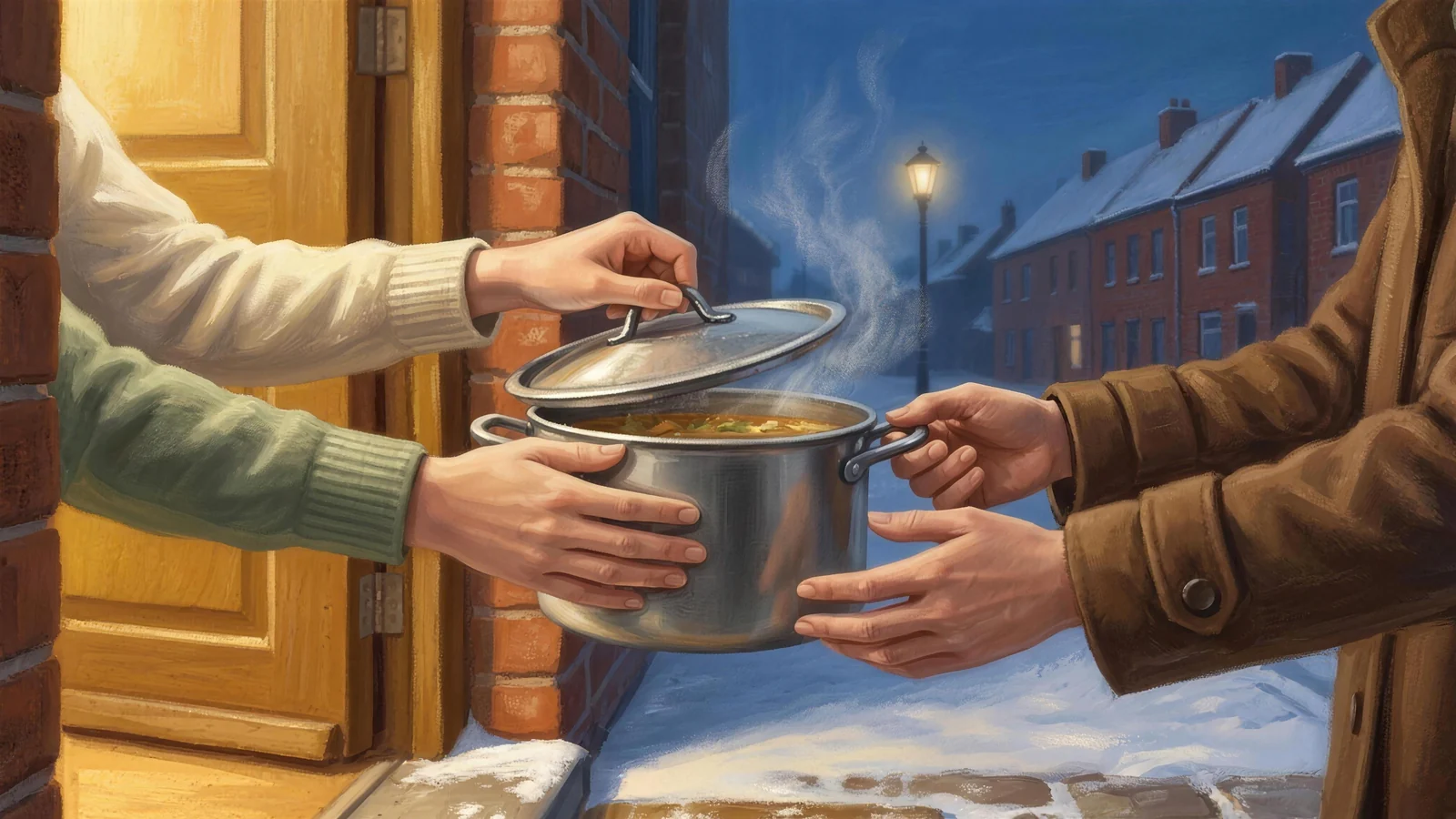
A scene from our life in Europe: Our grandfathers, who came in the sixties to the mines and factories to earn their bread, bent their backs on this soil. A grandchild who visits them on Sunday afternoons in the bright corridor of a care home is perhaps doing the most valuable work of the week. So is phoning our parents back home every week: when did we last hear our mother’s voice? Let us not forget those who care for an elder at home either; daughter-in-law, daughter and son alike grow weary, and when the burden is shared, tenderness does not wear out. There is also the door of our elderly Belgian neighbour who lives alone: a bowl of soup or a “How are you?” can change their week.
The elders we take under our wing today are tomorrow a door of mercy that will open for us.
VII. The circle widens: The neighbour, the orphan, the poor, the stranger
Mercy begins at home but does not stay at home; it does not ask for a passport.
Mercy begins at home but does not stay at home. The Qur’an describes the path of mercy with the image of “the steep ascent” (‘aqaba), and it describes the way to climb this ascent as follows:
أَوْ إِطْعَامٌ فِي يَوْمٍ ذِي مَسْغَبَةٍ يَتِيمًا ذَا مَقْرَبَةٍ أَوْ مِسْكِينًا ذَا مَتْرَبَةٍ
ثُمَّ كَانَ مِنَ الَّذِينَ آمَنُوا وَتَوَاصَوْا بِالصَّبْرِ وَتَوَاصَوْا بِالْمَرْحَمَةِ
Or, on a day of famine, feeding an orphan who is a relative, or a poor person who is hungry and destitute.
Then to be among those who believe, who counsel one another to patience, and who counsel one another to compassion.
al-Balad 90:14–17
“Counselling one another to compassion” in the translation of the meaning means counselling one another to mercy; this is the real companionship of the ascent. Our Prophet teaches that mercy stops at no boundary:
لاَ يَرْحَمُ اللَّهُ مَنْ لاَ يَرْحَمُ النَّاسَ
Allah does not show mercy to anyone who does not show mercy to people.
al-Bukhari, Tawhid 2; with similar wording Muslim, Fada’il 66
- HomeSpouse, children, parents
- Kin and neighboursOrphans, the poor, the elderly
- The believersLike the organs of one body
- All peopleWithout asking for a passport
- Living beingsBird, cat, dog, camel
- The earthWater, trees, bread, the street
The circle widens; mercy leaves no one outside.
In a narration transmitted by al-Tabarani, when the Companions said, “O Messenger of Allah, all of us are merciful,” he replied: “It is not the mercy that one of you shows a friend, but the mercy that embraces everyone.” (al-Haythami, Majma‘ al-zawa’id, VIII, 189) In their mercy to one another, believers are like one body: “When one of its organs is unwell, the rest of its organs share the pain through sleeplessness and high fever.” (Muslim, Birr 66; al-Bukhari, Adab 27) Whoever takes an orphan under their wing will be beside our Prophet in Paradise. (al-Bukhari, Adab 24) Mercy reaches also those who do not share our faith: “Allah does not forbid you from having good relations with those who have not fought you over religion and have not driven you out of your homes, and from treating them justly. Allah surely loves those who are just.” (al-Mumtahana 60:8) As a funeral passed by, our Prophet stood up; when he was told, “He is a Jew,” he said, “Is he not a soul too?” (al-Bukhari, Jana’iz 49; Muslim, Jana’iz 81)
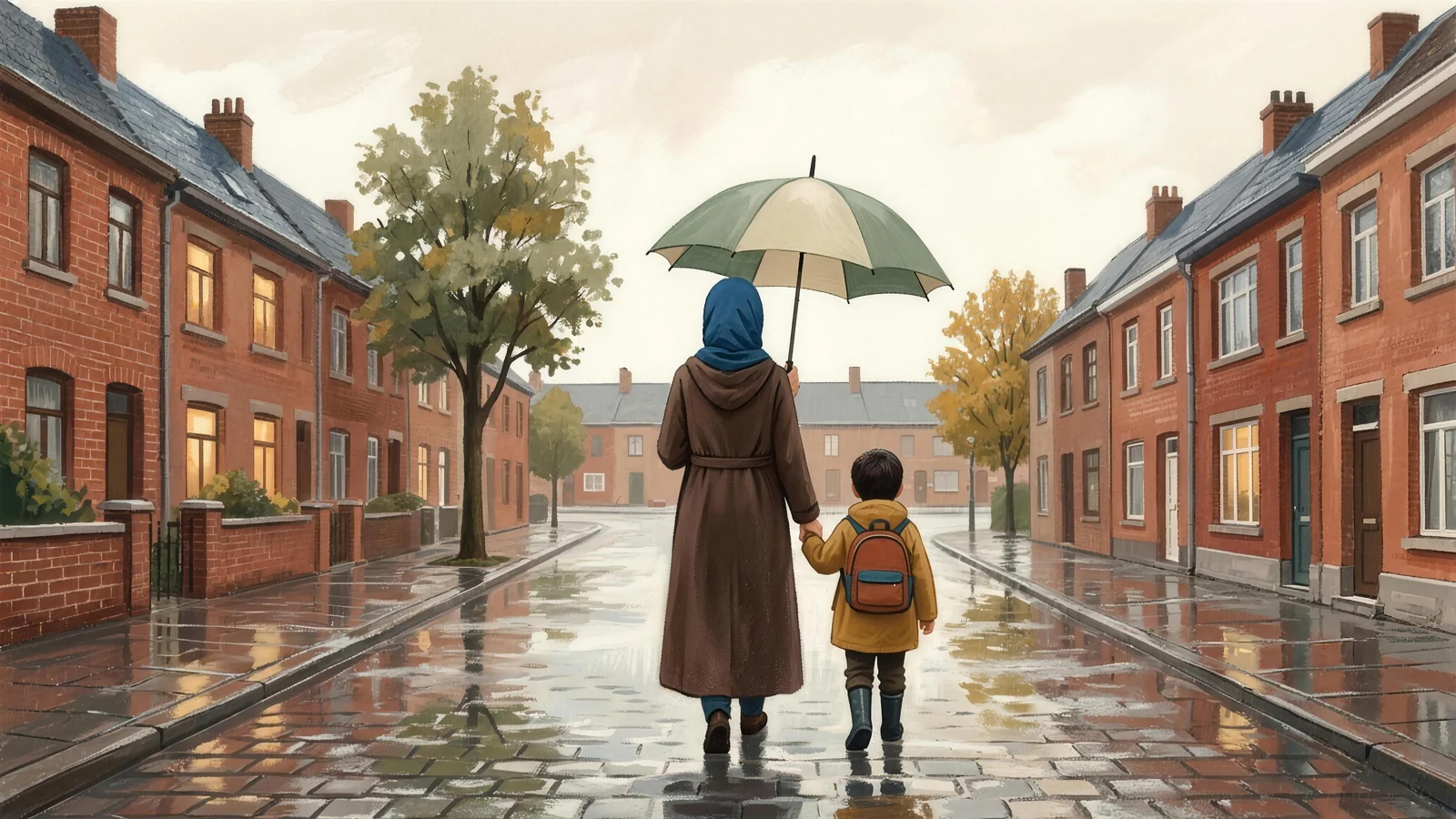
A scene from our life in Europe: The cold weather has begun. A new family has moved into our neighbourhood; at the school gate the mother cannot say a word because she does not know the language. The new bride wanders the market alone. There is a patient lying in hospital with no one beside them, and a student on their own in a student residence. A blanket, a bowl of hot soup, a box of food, a phone call: each one is a circle of mercy. Let us stretch out our hand without asking who they are or in which language they pray. Our Lord also commands us not to crush the orphan and not to turn away empty-handed the one who asks: “never crush the orphan!” (ad-Duha 93:9) “And never turn away empty-handed the one who holds out a hand to ask!” (ad-Duha 93:10)
Mercy does not ask for a passport; it reaches wherever there is need.
VIII. Mercy is not weakness: It walks together with justice
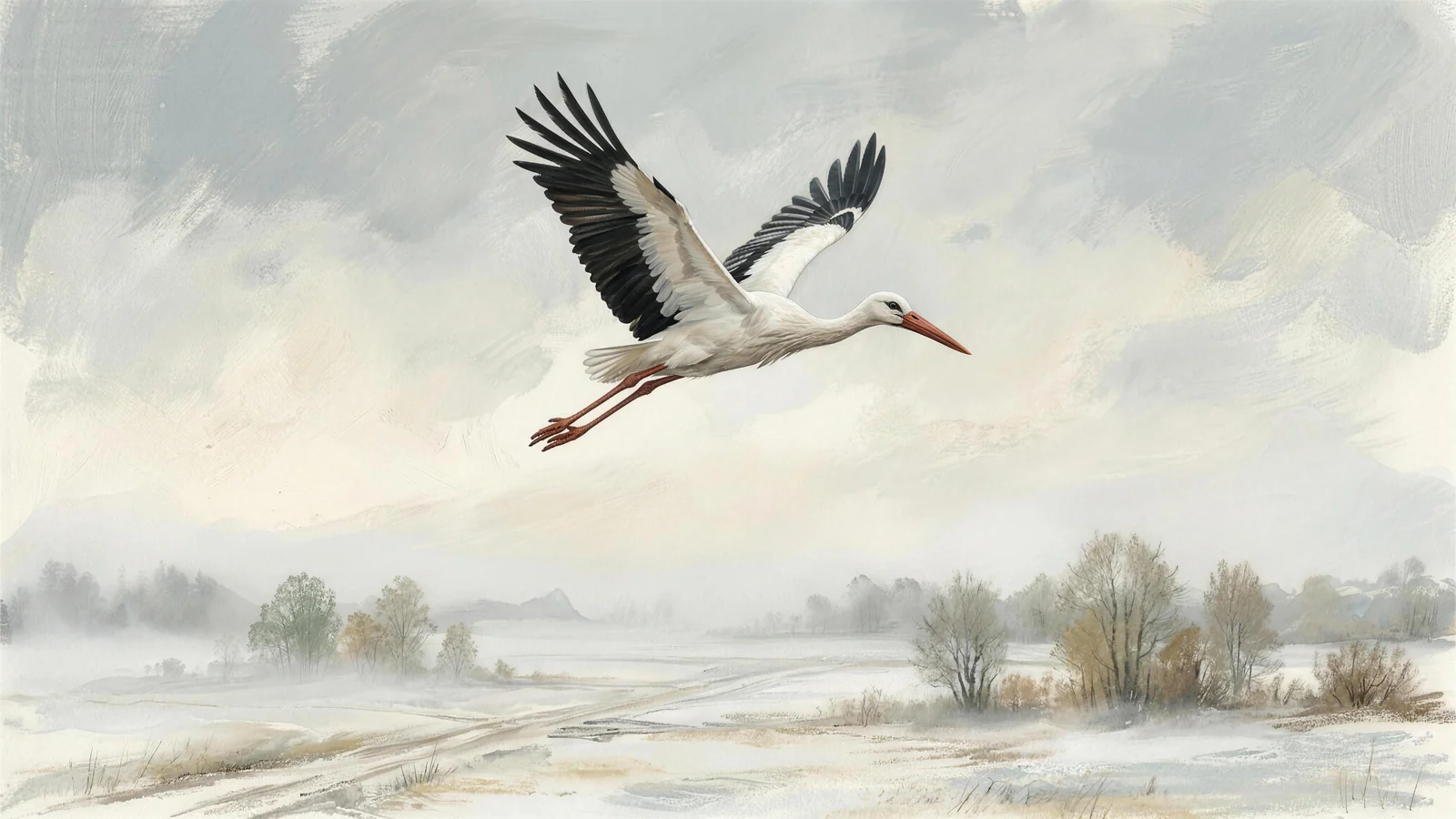
A bird flies on two wings: justice and mercy.
Mercy is not weakness, and it does not take the place of justice. The Qur’an praises our Prophet’s companions as “merciful among themselves.” (al-Fath 48:29) Our Lord also commands justice, and ihsan, that is, doing good in the most beautiful way, in the same verse:
إِنَّ اللَّهَ يَأْمُرُ بِالْعَدْلِ وَالْإِحْسَانِ وَإِيتَاءِ ذِي الْقُرْبَىٰ وَيَنْهَىٰ عَنِ الْفَحْشَاءِ وَالْمُنكَرِ وَالْبَغْيِ يَعِظُكُمْ لَعَلَّكُمْ تَذَكَّرُونَ
Truly, Allah commands justice, ihsan (excellence) and generosity towards relatives; and He forbids indecency, wrongdoing and tyranny. This is how Allah admonishes you, so that you may take heed.
an-Nahl 16:90
A bird flies on two wings. Mercy without the wing of justice emboldens the oppressor; justice without the wing of mercy grows hard. Our Prophet teaches this balance as follows:
Justice
- Preventing oppression
- Delivering to the oppressed their right
- Applying the rule humanely
Mercy
- Taking the oppressor by the hand and pulling him away from his oppression
- Taking the person aside to talk about the mistake
- Being gentle, not harsh
Ihsan on the body; no one flies on a single wing.
انْصُرْ أَخَاكَ ظَالِمًا أَوْ مَظْلُومًا
قَالُوا يَا رَسُولَ اللَّهِ هَذَا نَنْصُرُهُ مَظْلُومًا، فَكَيْفَ نَنْصُرُهُ ظَالِمًا قَالَ
تَأْخُذُ فَوْقَ يَدَيْهِ
“Help your brother, whether he is an oppressor or oppressed.” “I help him if he is oppressed, but how do I help him if he is an oppressor?” “You hold him back from oppression, you prevent his oppression. That is the help you give him.”
al-Bukhari, Mazalim 4; Ikrah 7
Mercy to the oppressor means taking him by the hand and pulling him away from his oppression; mercy to the oppressed means delivering to them their right. ‘A’isha, in the continuation of the same narration, also says this: the Messenger of Allah never took revenge for anything done to himself; only when what Allah has made haram was trampled on would he call to account, for Allah’s sake. (Muslim, Fada’il 79) A doctor’s bitter medicine and a teacher’s saying “no” are also mercy. Our tongue and our screen are bound by this measure too: “Do not demean one another, and do not give one another bad nicknames.” (al-Hujurat 49:11)
- 1When you feel compassion for the guilty, do not forget the victim;mercy also stands beside the one who suffers oppression.
- 2Spoiling is not tenderness;turning a blind eye without limits does not protect those we love, it leaves them unfinished.
- 3Mercy does not abolish the rule;it applies the rule humanely.
A scene from our life in Europe: On a building site a foreman sees a worker’s faulty work. He does not crush the worker in front of everyone; he takes the worker aside and talks. Yet he still has the faulty work redone from the start, because ignoring a mistake is not mercy. Then he asks, “Is something wrong at home?” Employer, teacher, driver: each one of us is strong somewhere; let us not leave our strength without mercy, nor our mercy without justice.
Mercy without justice turns into weakness, justice without mercy into hardness; the believer carries both together.
IX. Mercy to the voiceless creatures
The thirsty dog, the camel that wept, feed put out for a bird: there is reward in every living being.
The boundary of mercy does not end with human beings. The Qur’an says this of animals too: “All the animals that walk on the earth and all the birds that fly with their two wings are communities like yourselves.” (al-An‘am 6:38) Our Prophet teaches this with the story of a dog:
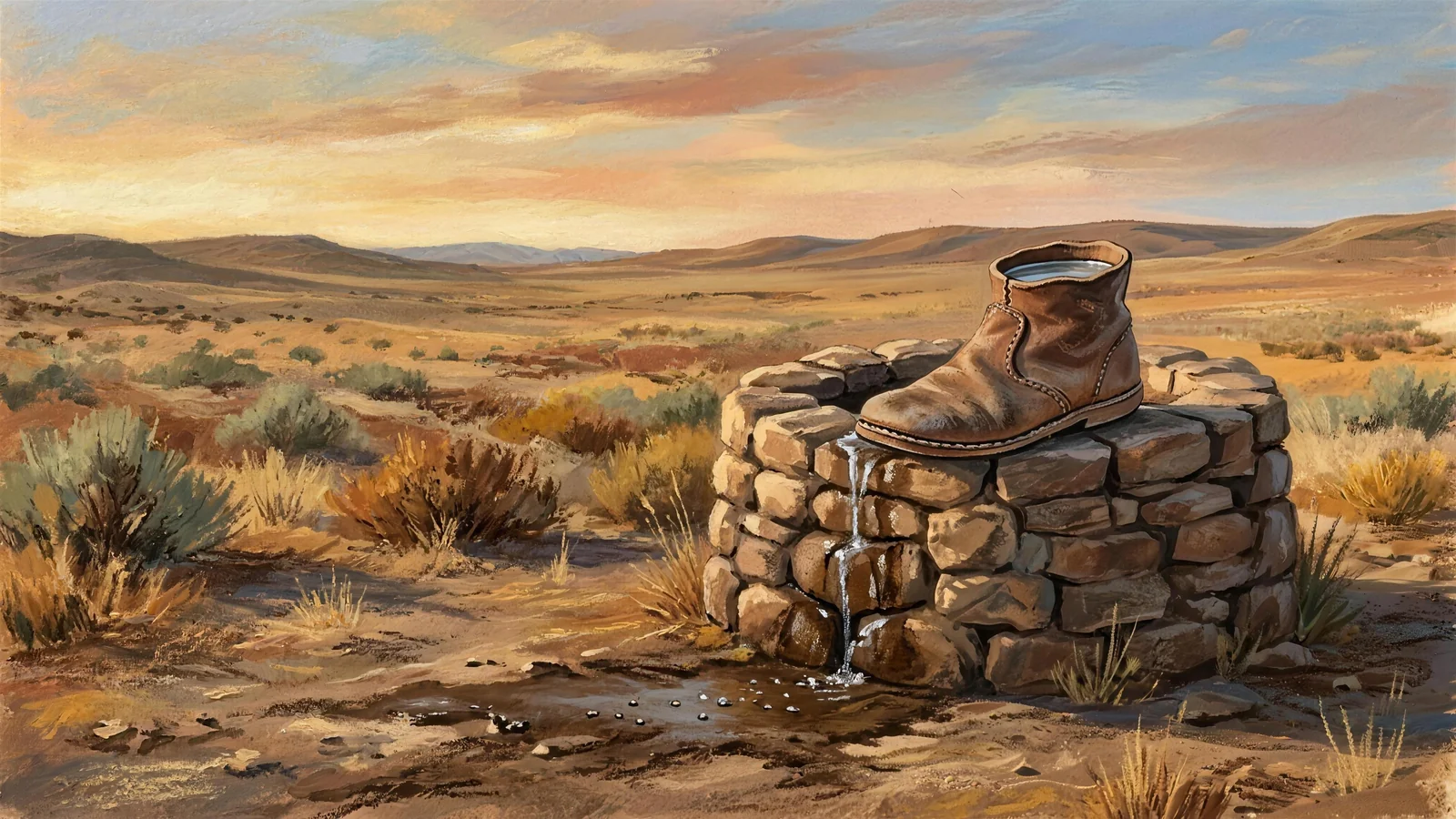
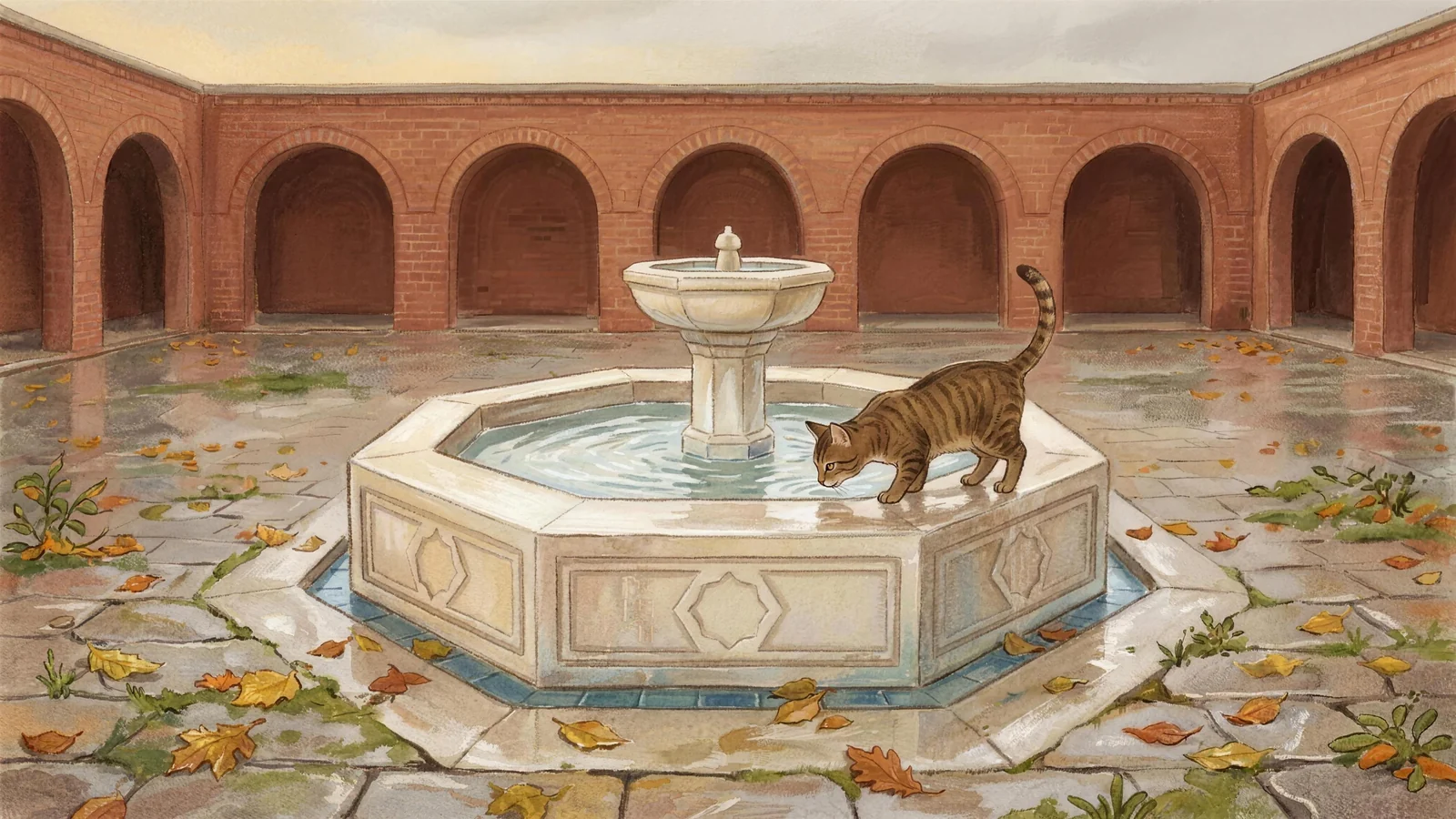
That an animal is regarded as ritually impure (najis) never makes it permissible to torment it; in the hadith, the water given to the dog that was about to die of thirst became a means of the forgiveness of sins. It is also reported in authentic (sahih) hadiths that a woman was punished because of a cat she had tied up and not fed. (al-Bukhari, Bad’ al-khalq 16; Muslim, Salam 151) And there is the story of a camel in the orchard of one of the Ansar (the Helpers of Medina):
Of a bird that saw its young taken, our Prophet said, “Who has caused this bird distress by taking its young? Give its young back to it,” and on seeing an anthill that had been burned, “Punishing with fire is fitting for none but the Lord of fire.” (Abu Dawud, Jihad 112; Adab 163–164) He taught ihsan even in slaughter: “Let each of you sharpen his knife and give ease to the animal he slaughters.” (Muslim, Sayd 57) Bird houses have been built on Ottoman mosques and bridges since the sixteenth century. (DİA, “Kuşevi”) In our tradition, mercy has been worked even into stone.
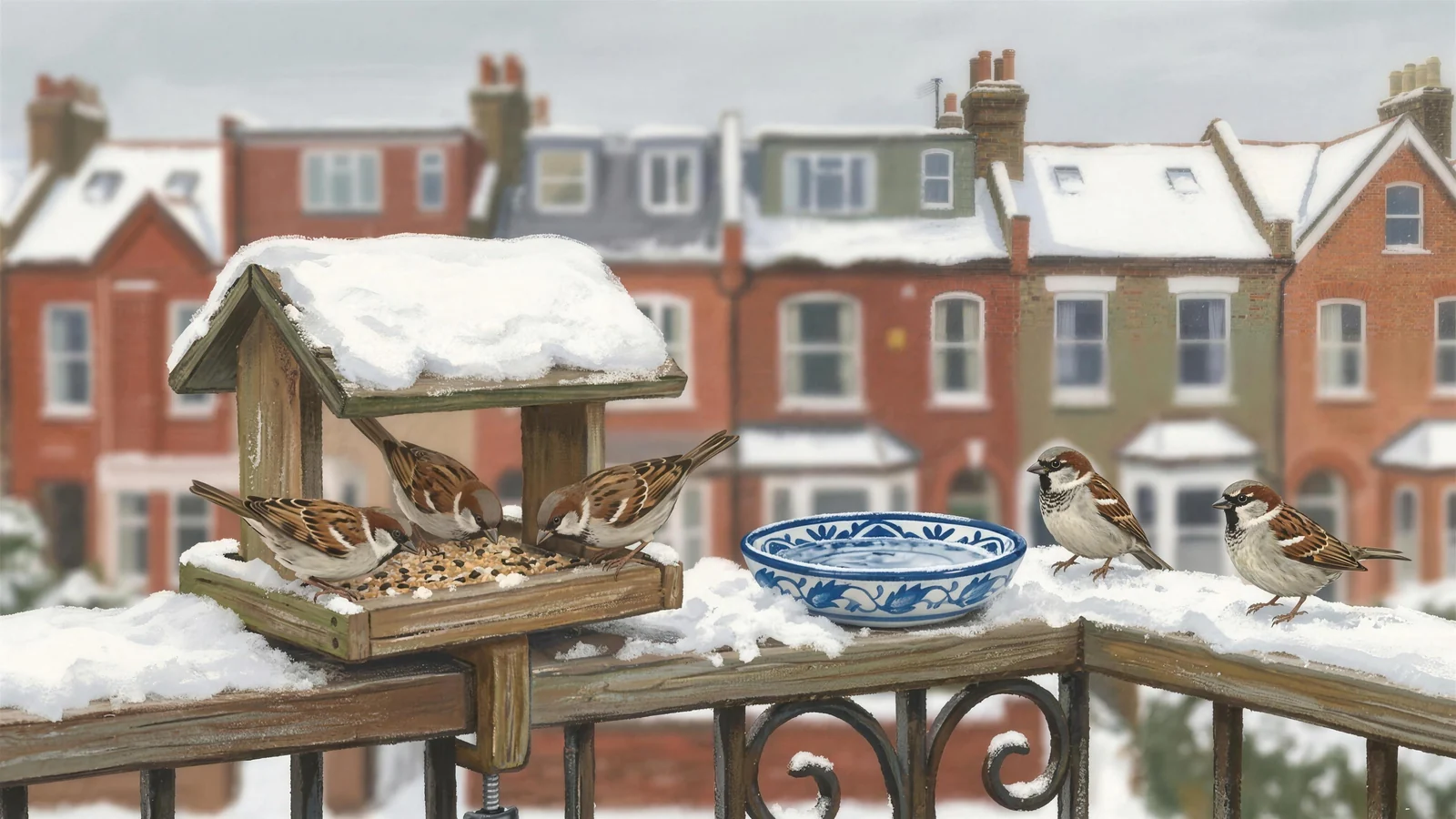
- BirdA dish of water on the balcony.
- CatNot left hungry.
- DogIts thirst is quenched.
- CamelNot worn out, not left hungry.
- AntIts nest is not burned.
- SaplingPlanted and watered.
There is reward in every living being.
A scene from our life in Europe: The first snow has fallen; the water in the dish on the balcony railing has frozen, and sparrows come and go. Will there be a dish of water on our balcony this winter? Not brushing it aside as “play” when a small child throws a stone at an insect, and remembering the measure for the one of us who works in a slaughterhouse or on a farm: this shows how we are training the heart.
A sip of water given to a voiceless creature is never lost with our Lord.
X. Mercy to the earth: Trust and wastefulness
Water, bread, trees and the street: the earth is not an inheritance but a trust.
Mercy extends to the earth too. Our Lord has laid out the earth with a measure, for living beings: “He laid out the earth for living beings.” (ar-Rahman 55:10) And at once He places a responsibility upon us:
وَالْأَرْضَ وَضَعَهَا لِلْأَنَامِ
وَلَا تُفْسِدُوا فِي الْأَرْضِ بَعْدَ إِصْلَاحِهَا وَادْعُوهُ خَوْفًا وَطَمَعًا إِنَّ رَحْمَتَ اللَّهِ قَرِيبٌ مِّنَ الْمُحْسِنِينَ
He laid out the earth for living beings.
Do not cause corruption on the earth after it has been set right. Call upon Allah in fear and hope. Truly, Allah’s mercy is very close to those who do good.
ar-Rahman 55:10; al-A‘raf 7:56
Rain is also a sign of this mercy: “It is He who sends the winds as glad tidings ahead of His mercy.” (al-A‘raf 7:57) The verse forbidding wastefulness also follows from this outlook: “eat and drink, but do not be wasteful. For Allah does not love the wasteful.” (al-A‘raf 7:31) The Qur’an also warns that the order of things is disrupted because of what people’s own hands have done. (ar-Rum 30:41) Our Prophet ties this responsibility to a branch of faith:
الإِيمَانُ بِضْعٌ وَسَبْعُونَ أَوْ بِضْعٌ وَسِتُّونَ شُعْبَةً فَأَفْضَلُهَا قَوْلُ لاَ إِلَهَ إِلاَّ اللَّهُ وَأَدْنَاهَا إِمَاطَةُ الأَذَى عَنِ الطَّرِيقِ وَالْحَيَاءُ شُعْبَةٌ مِنَ الإِيمَانِ
Faith has seventy-odd (or sixty-odd) branches; the highest is to say “la ilaha illa-llah” (there is no god but Allah), and the lowest is to remove from the road something that causes harm. Modesty is also a branch of faith.
Muslim, Iman 58
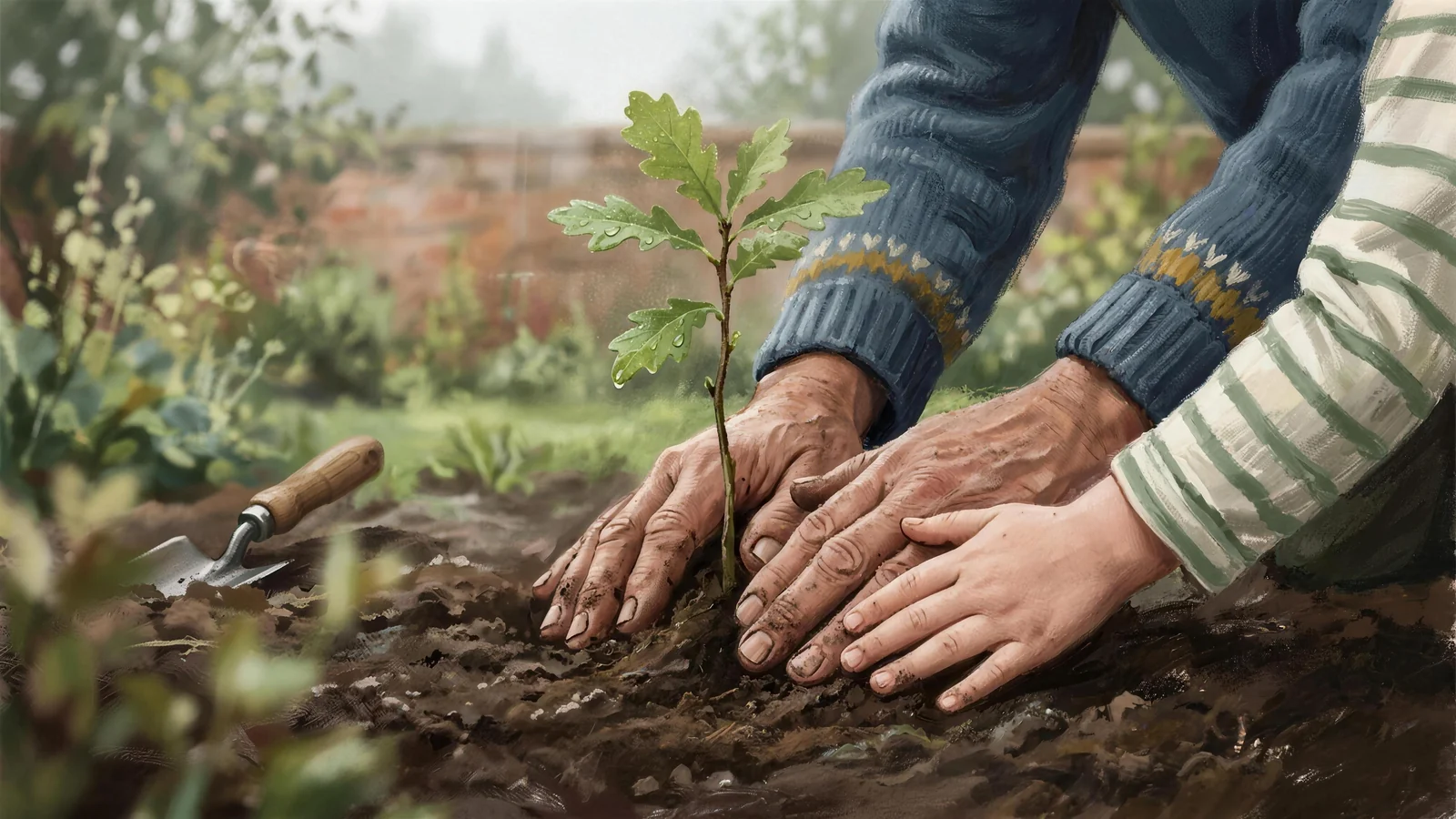
Our Prophet counted planting a sapling as a good deed not to be abandoned even if the Hour were to come: “Even if the Hour is about to come while one of you has a date-palm sapling in hand, if they are able to plant it (before the Hour comes), let them plant it at once!” (Ahmad ibn Hanbal, Musnad, III, 191; al-Bukhari, al-Adab al-Mufrad 479) For everyone who eats of the fruit of a planted tree, the planter has the reward of a charity (sadaqa) recorded: “There is no Muslim who plants a tree or sows a crop, and has a bird, a person or an animal eat from it, without its being a charity (sadaqa) for them.” (al-Bukhari, Hars 1; Muslim, Musaqat 7)
A scene from our life in Europe: Refuse collection day: towards dawn, bags lined up along the street. Someone who has sorted their rubbish and put it out on the right day, who has tied the bag firmly so that the wind cannot scatter it, is without realising it removing something that causes harm on the road; they are respecting their neighbour’s right. So it is when, parking around the mosque after the Friday prayer, we do not block the neighbour’s garage door. So it is when we set aside the bread left over at the table and at wedding meals for whoever needs it, instead of throwing it away. Let us treat water, heat and bread as a trust.
The earth is not our inheritance but a trust; a trust is treated with mercy.
XI. Conclusion: Whoever shows mercy is shown mercy
A pinch of leaven in the dough, the whole trough rising: our mercy pledge.
Let us bring our talk together with this saying of our Prophet:
الرَّاحِمُونَ يَرْحَمُهُمُ الرَّحْمَنُ ارْحَمُوا أَهْلَ الأَرْضِ يَرْحَمْكُمْ مَنْ فِي السَّمَاءِ
ar-Rahman shows mercy to those who show mercy. Show mercy to those on earth, so that those in heaven may show mercy to you.
Abu Dawud, Adab 58; with similar wording al-Tirmidhi, Birr 16
In the hadith tradition this hadith is known as the first hadith taught to students (musalsal bi-l-awwaliyya); that is, the first thing taught to every student who sets out on the path of knowledge is mercy. At the beginning of the sermon we spoke of a pinch of leaven. A pinch of leaven is added to the dough, but it is the whole trough that rises. The one part of mercy that our Lord sent down to earth is the same: it begins in one heart and leavens a home, a neighbourhood, a congregation. What falls to us is not to let that leaven go stale in our hearts, not to let it turn to stone.
A scene from our life in Europe: This evening we hang the pledge sign beside the front door of the house, at the height of the coats, at eye level. Our child comes and asks, “What is this?” We read the first article aloud to them: “I will begin the day with the basmala.” Tomorrow morning, as we walk to the door with the key in our hand, our eyes will fall on the sign again. Mercy becomes a habit by being seen every day.
Now let us turn all of this into a pledge that we shall hang on the door of our home:
- 1I will begin the day with the basmala.
- 2I will not raise my voice in my home and I will not raise my hand against anyone.
- 3I will hug my child every day.
- 4I will not neglect my elders.
- 5Every week I will lighten one burden.
- 6I will treat the voiceless creatures and the earth as a trust.
- 7I will carry mercy together with justice.
- I will begin the day with the basmala. As I leave the house I will ask, “Whom will my mercy touch today?”
- I will not raise my voice in my home and I will not raise my hand against anyone. When I am angry I will fall silent, and I will not say a hurtful word to my spouse or my child.
- I will hug my child every day. I will listen looking into their face, and stand beside them when they fail too.
- I will not neglect my elders. I will phone my parents every week and knock on the door of an elderly neighbour.
- Every week I will lighten one burden. I will look out for a sick person, someone who is alone, a newly arrived family and a poor person.
- I will treat the voiceless creatures and the earth as a trust. I will put out water for a bird, I will not be wasteful, and I will not pollute my surroundings.
- I will carry mercy together with justice. I will not stay silent in the face of injustice, I will stand beside the oppressed, and I will hurt no one with my tongue or my screen.
Mercy is the trust that ar-Rahman has placed in our hearts; it begins at home, reaches out to the neighbour and the stranger, and extends to the voiceless creatures and even to the soil; whoever shows mercy is shown mercy. As we leave this Friday prayer, let us ask ourselves three questions: Today, in my home, whom did I show mercy to? Whose burden did I lighten? Which living being did I give water to? As we go in this evening, let us do one small act of mercy: a “Thank you for the meal”, a hug, a phone call, a bowl of soup at a neighbour’s door. Mercy begins with a small deed.
Closing the sermon here in Europe: the congregation’s supplication
We open our hands and our hearts to our Lord.
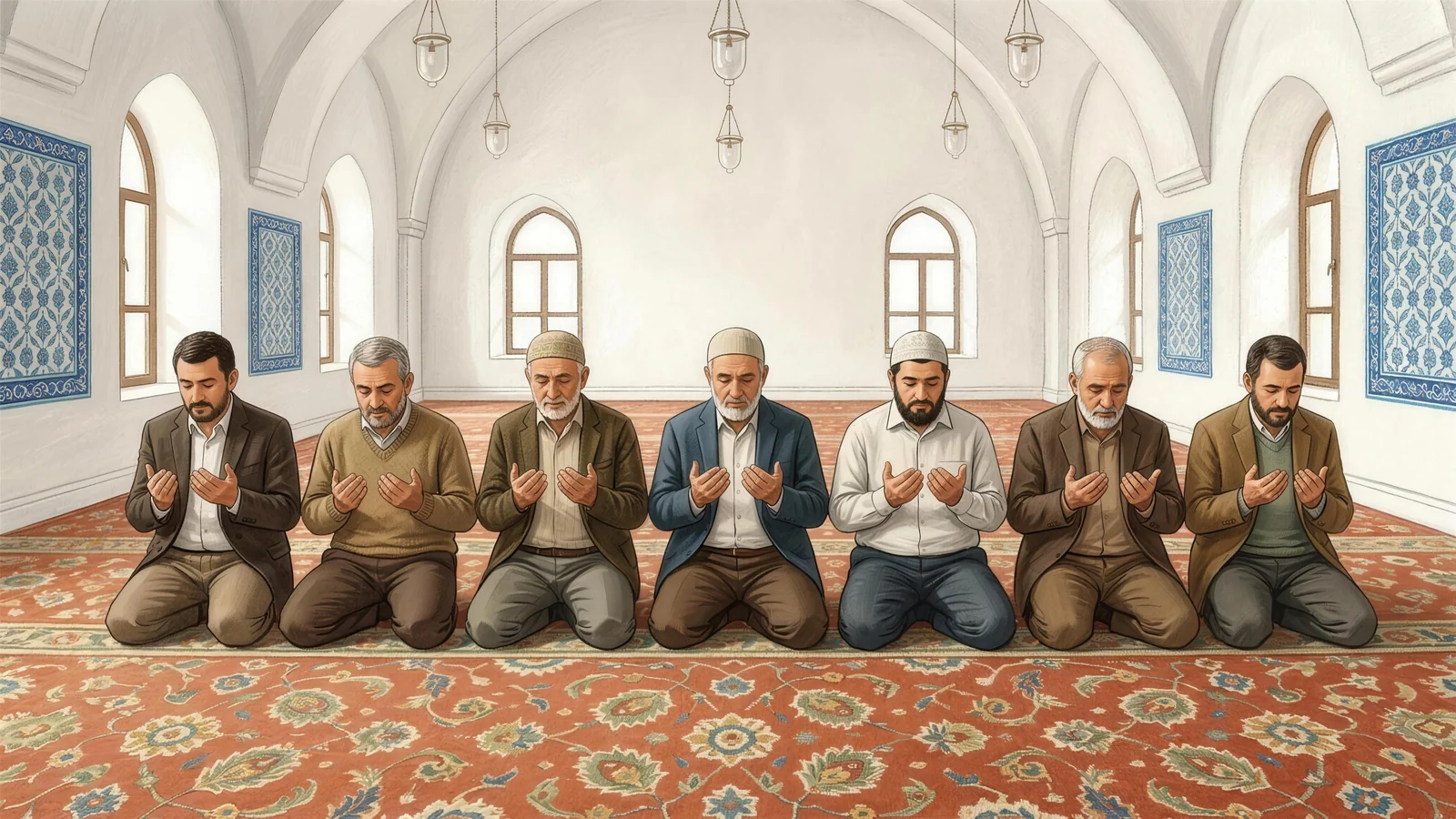
My dear brothers and sisters! Let us open our hands and our hearts to our Lord.
أَعُوذُ بِاللَّهِ مِنَ الشَّيْطَانِ الرَّجِيمِ
الْحَمْدُ لِلَّهِ رَبِّ الْعَالَمِينَ، وَالصَّلَاةُ وَالسَّلَامُ عَلَى رَسُولِنَا مُحَمَّدٍ وَعَلَى آلِهِ وَصَحْبِهِ أَجْمَعِينَ
I seek refuge with Allah from the evil of the accursed Satan. All praise belongs to Allah, Lord of the worlds. May blessings and peace be upon our Prophet Muhammad, his family and all his Companions.
Praise: al-Fatiha 1:2. Seeking refuge and blessings on the Prophet: freely worded supplication
O Allah! Soften our hearts; protect us from hardness of heart, from insensitivity and from turning to stone. Grant that our hearts tremble when we see another’s pain, and that our eyes fill with tears at the side of an orphan, a sick person, a lonely one.
Our Lord! Fill our homes with love and mercy (mawadda and rahma); send down love between our spouses, tenderness among our children, peace and abundance upon our tables. Take far from us the anger that raises our voices and the harshness that raises our hands.
O Allah! Show mercy to our parents, who raised us under their wings when we were small; grant health, peace and the warm voices of their children to those who are living, and forgiveness and Paradise to those who have passed away; make us children who are mindful of their due.
O Allah! Make our children and grandchildren who speak French and Dutch among Your merciful and just servants; fill their hearts with love, their tongues with kind words and their hands with help; and make us a good example to them.
Our Lord! Give our sick healing, our elderly peace, our orphans a tender embrace, and our lonely a warm door; do not leave cold or hungry those who spend the winter on the street, or any living being in need; and grant us to reach them.
O Allah! Give peace, security and fellowship to the country in which we live; make us servants who are useful to our neighbours and to all humanity. Help the oppressed who groan under war and oppression, and give healing to their wounds and comfort to their tears.
Our Lord! We have wronged ourselves; forgive us and show us mercy. Make us not among those who despair of Your mercy, but among those who take refuge in it; and show us a way out in all our affairs.
رَّبِّ ارْحَمْهُمَا كَمَا رَبَّيَانِي صَغِيرًا
رَبَّنَا ظَلَمْنَا أَنفُسَنَا وَإِن لَّمْ تَغْفِرْ لَنَا وَتَرْحَمْنَا لَنَكُونَنَّ مِنَ الْخَاسِرِينَ
رَّبِّ اغْفِرْ وَارْحَمْ وَأَنتَ خَيْرُ الرَّاحِمِينَ
رَبَّنَا آتِنَا مِن لَّدُنكَ رَحْمَةً وَهَيِّئْ لَنَا مِنْ أَمْرِنَا رَشَدًا
My Lord! As they nurtured and raised me with tenderness when I was small, now show them mercy yourself
Our Lord! We have wronged ourselves. If You do not forgive us and do not show us mercy, we shall surely be among the losers!
Forgive and show mercy, my Lord! You are the best of those who show mercy.
Our Lord! Grant us mercy from Yourself and show us a way out of the situation we are in!
al-Isra’ 17:24; al-A‘raf 7:23; al-Mu’minun 23:118; al-Kahf 18:10; excerpts from the verses
Amin. Wa-l-hamdu li-llahi rabbi l-‘alamin. Al-Fatiha.
Appendix: 40 acts of mercy here in Europe, a tender act for every day
Mercy grows not through grand words but through small deeds. Each day let us pick one line from the list below and try to live it through the day. Let us not hesitate to adapt the sentences to our own home, our own work and our own street.
Home and spouse
- When I come home I will leave my tiredness at the door and walk in with a greeting and a smile.
- At the table I will put my phone aside and say “Thank you for the meal” to whoever prepared it.
- This evening I will lighten my spouse’s burden by taking on a task.
- When I am angry I will first fall silent, and then speak.
- Once a week, without asking for anything, I will say a kind word to my spouse.
- When I am hurt I will not sulk; I will set things right with them the same day.
- I will show a cheerful face to my spouse’s family and friends too.
- When my spouse falls ill, I will take over the housework and the care of the children.
Children and young people
- I will hug my child once every day and listen looking at their face.
- On school report day I will look at my child’s effort, not their mark, and I will not say a single belittling word.
- I will listen patiently to my child who comes home from school thinking in French or Dutch.
- When I have to say “no”, I will say it without raising my voice, explaining the reason.
- At the evening meal I will switch off the screens and chat with my children.
- In the mosque I will not frown at the sound of children, and I will smile at the little ones.
- When my teenager makes a mistake I will first listen to them, then look for a solution together.
- Before bedtime I will recite a supplication for my child and stroke their head.
The elderly and the sick
- I will phone my mother and father every week.
- On a Sunday afternoon I will visit one of our elders in a care home.
- I will share the burden of a relative who cares for elderly parents, and I will not throw anyone’s shortcomings in their face.
- I will listen to the memory my elder tells all the way to the end, without looking at my watch.
- I will visit an acquaintance who is in hospital and stay with them for an hour.
- I will knock at the door of my elderly neighbour who lives alone and ask whether they need anything.
- When walking, on the bus or in a queue, I will give my place to an elderly person.
- I will visit the sick not with a long sermon but with a short supplication and a bowl of hot soup.
Neighbours and society
- When I meet my neighbour I will greet them without regard to their religion or language.
- When it snows I will clear my neighbour’s doorstep too.
- I will sort my rubbish and put it out on the right day, and leave the street clean.
- I will visit a newly arrived family with a dish of food and say “Welcome”.
- This month I will donate a box of food for those in need.
- I will read out and explain an official letter to a brother or sister who does not know the language.
- I will be patient at the wheel and give way to pedestrians and cyclists.
- When parking around the mosque I will not block my neighbour’s door.
Animals and the environment
- In winter I will put a dish of water and some bird food on my balcony.
- I will not neglect my pet, and when I go on holiday I will entrust it to safe hands.
- I will explain to my child that cruelty to an animal is not a game.
- I will not throw away bread left over from the table but set it aside for whoever needs it.
- I will not leave the tap or the heating on without need.
- I will move broken glass or rubbish that I see in the road to the side.
- This spring I will plant a sapling or a flower.
- I will not harm a bird’s nest or an ants’ nest.
ar-Rahman shows mercy to those who show mercy. Show mercy to those on earth, so that those in heaven may show mercy to you. (Abu Dawud, Adab 58; al-Tirmidhi, Birr 16)
- Rahma
- Allah’s grace that embraces all created beings; its counterpart in human beings is mercy.
- Mercy
- Feeling another’s distress in one’s heart and running to help; not merely feeling compassion.
- Tenderness
- The sincere, protective closeness that the elder feels for the younger, and the strong for the weak.
- Ra’fa
- Delicate, protective tenderness; the gentlest form of mercy.
- Gentleness
- Acting gently; leading people along with courtesy, without hurting them.
- Forbearance
- Mastering one’s anger; staying dignified where one might be angry.
- Hardness of heart
- The hardening of the heart; remaining unmoved by another’s pain.
Sources of verses, hadiths and others
The meanings are taken from the Kur’an Yolu rendering; verses and hadiths that are abridged are indicated in the text. The wording of the verses is taken from the Tanzil text, the wording of the hadiths has been compared with sunnah.com, and the grades of the narrations have been checked against the judgements of the hadith scholars.
- Verses: al-Fatiha 1:1–2; al-Baqara 2:74; Al ‘Imran 3:159; al-An‘am 6:38; al-An‘am 6:54; al-A‘raf 7:23; al-A‘raf 7:31; al-A‘raf 7:56; al-A‘raf 7:57; al-A‘raf 7:156; at-Tawba 9:128; al-Hijr 15:49–50; an-Nahl 16:90; al-Isra’ 17:23–24; al-Kahf 18:10; Ta-Ha 20:25–28; al-Anbiya’ 21:107; al-Mu’minun 23:118; ar-Rum 30:21; ar-Rum 30:41; Luqman 31:14; az-Zumar 39:53; al-Fath 48:29; al-Hujurat 49:11; ar-Rahman 55:10; al-Hadid 57:16; al-Mumtahana 60:8; al-Balad 90:14–17; ad-Duha 93:9–10.
- Hadiths: al-Bukhari, Bad’ al-khalq 7, 16; Jana’iz 43, 49; Adab 18, 19, 24, 27, 39, 40; Adhan 44, 65; Hars 1; Ikrah 7; Marda 9; Mazalim 4; Musaqat 9; Salat 106; Tawhid 2, 22; al-Adab al-Mufrad 99, 479; Muslim, Birr 9, 66, 77, 78, 87; Jana’iz 11, 81; Jihad wa-l-siyar 84, 111; Fada’il 51, 62, 63, 64–65, 66, 79; Iman 58; Masajid 41; Musaqat 7; Salat 192; Sayd 57; Salam 151, 153; Tawba 15, 17, 22; al-Tirmidhi, Birr 9, 15, 16; Manaqib 63; Abu Dawud, Jihad 44, 112; Adab 20, 58, 163–164; Zakat 45; Ibn Majah, Nikah 50; Ahmad ibn Hanbal, Musnad II, 263, 387; III, 191; VI, 349–350; al-Haythami, Majma‘ al-zawa’id VIII, 189.
- Narrations whose chain contains a weakness or whose grade is stated: the narration “Stroke the orphan’s head and feed the poor” (Ahmad ibn Hanbal, Musnad, II, 263, 387): its chain of narration contains a weakness. Respect for a Muslim whose hair and beard have turned grey (Abu Dawud, Adab 20) and the narration about Abu Quhafa (Ahmad ibn Hanbal, Musnad, VI, 349–350) are good (hasan). ‘Umar’s saying “Allah shows mercy only to the best of His servants” (al-Adab al-Mufrad 99) is a narration whose chain is good (hasan), and it is reported as a saying of ‘Umar, not of our Prophet.
- Accounts and reports: What is said about the return from Ta’if and at the conquest of Mecca is reported according to the sources of the Prophet’s biography (sira); the glad tidings at the conquest of Mecca, “Whoever enters the house of Abu Sufyan is safe”, occur in an authentic (sahih) hadith (Muslim, Jihad wa-l-siyar 84). The answer given to the Companions who said “all of us are merciful” is a narration transmitted by al-Tabarani (al-Haythami, Majma‘ al-zawa’id VIII, 189). Bird houses: TDV İslâm Ansiklopedisi, “Kuşevi”. “Musalsal bi-l-awwaliyya” (the hadith first taught to students): “Müselsel”.
- Encyclopaedia and other sources: TDV İslâm Ansiklopedisi, “Merhamet” (XXIX, 184–185), “Rahmet”, “Kuşevi”, “Müselsel”; Hadislerle İslâm; the Kur’an Yolu commentary.
- Appendix, 40 acts of mercy here in Europe: The sentences are examples; everyone adapts them to their own home, work and street.
- Images: The scene pictures are illustrative scenes; there are no depictions of prophets or Companions.