
Sermon
The Rights of Others: The Heavy Responsibility of the Journey to the Hereafter — Settling Accounts and Seeking Release Before the Day When Dinar and Dirham Are of No Use
The trust as the foundation of the rights of others; property and trade, debt and the sweat of one’s brow, the tongue, backbiting and slander, social media, family, inheritance, neighbours and public right; the hadith of the bankrupt and the way of settling accounts and seeking release, the pledge; and, in the appendix, the guide to the rights of others in questions.
Translated from the Turkish original. Read the Turkish original →

A right owed to another is not lifted until it is returned to its owner or the owner releases us from it; whoever does not settle it today will pay with their good deeds on the day when dinar and dirham are of no use.
The images are illustrative scenes from the life of a congregation living in Europe today.Four main ideas
- The rights of others are not only “consuming someone’s money”.Property, labour, word, honour and public resources: everything given to us is a trust.
- A right owed to another is not lifted until it is paid or released.Failings against Allah are hoped to be forgiven through sincere repentance; with the rights of others, one must in addition return what is owed or ask for release (helallik).
- On the day when dinar and dirham are of no use, payment is made with good deeds.The bankrupt, who comes with prayer, fasting and zakat, loses those good deeds to the rightful owners.
- The way out is settling accounts and seeking release.Give up the wrong, feel regret, repay, seek release; let us begin this week with one person.
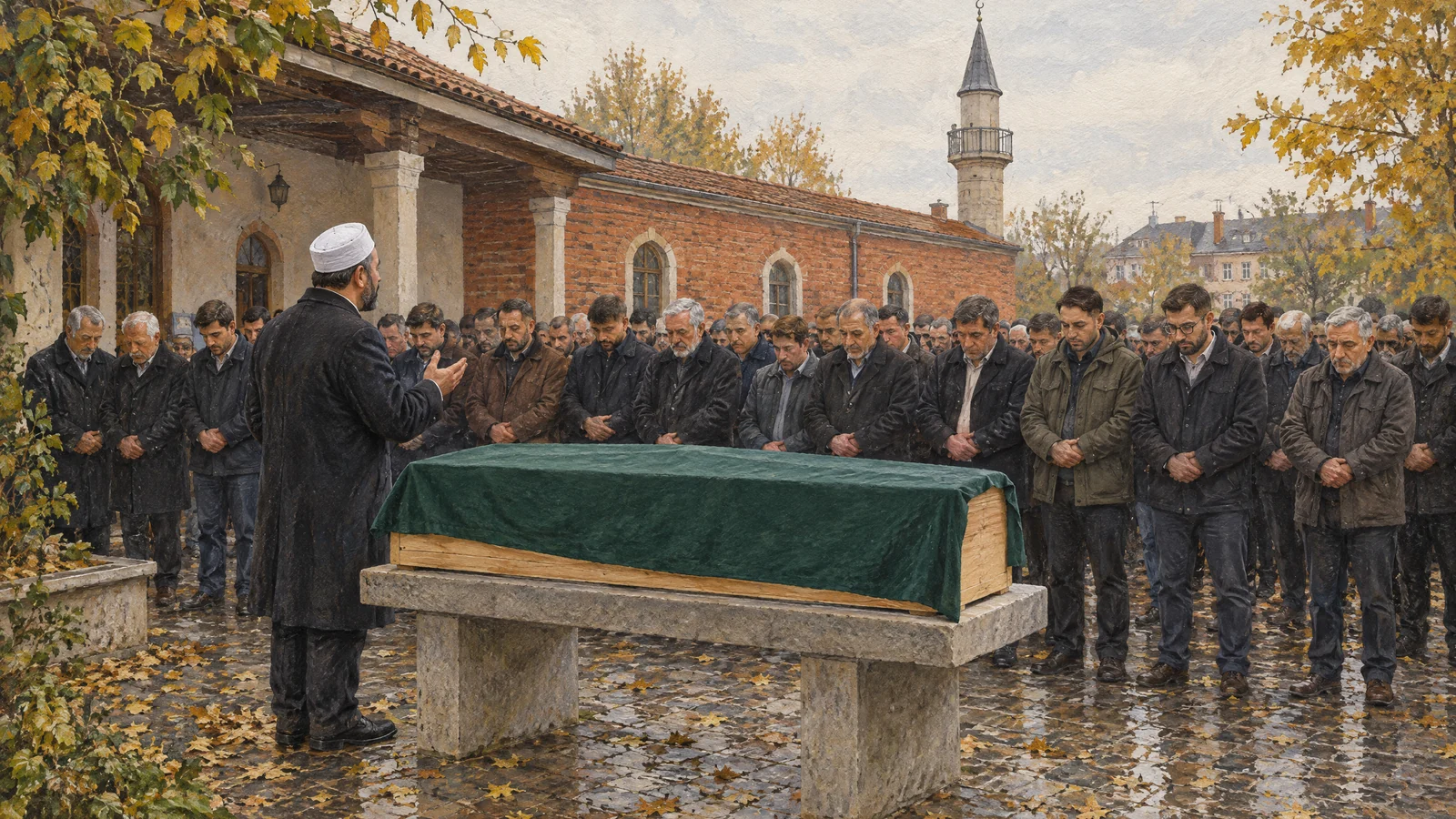
Opening: Nothing goes unrequited
The question asked at funerals will be asked of ourselves today: Does anyone still have a right against us?
الْحَمْدُ لِلَّهِ رَبِّ الْعَالَمِينَ، وَالصَّلَاةُ وَالسَّلَامُ عَلَى رَسُولِنَا مُحَمَّدٍ وَعَلَى آلِهِ وَصَحْبِهِ أَجْمَعِينَ
قَالَ رَبِّ اشْرَحْ لِي صَدْرِي وَيَسِّرْ لِي أَمْرِي وَاحْلُلْ عُقْدَةً مِّن لِّسَانِي يَفْقَهُوا قَوْلِي
Praise belongs to Allah, Lord of the worlds. Blessings and peace be upon our Prophet Muhammad, upon his family and upon all his Companions. Moses said: “My Lord! Grant me ease of heart. Make my task easy for me. Loosen the knot from my tongue, so that they may understand my words well.”
Praise: al-Fatiha, 1:2. Blessings: free wording of the supplication. Supplication: Ta-Ha, 20:25–28
Dear congregation! My dear brothers and sisters, who here in Europe are in pursuit of a lawful (halal) livelihood, a clean name and hearts that are not broken!
After the funeral prayer (janaza), standing before the musalla stone, all of us hear the same question: “What was the deceased like, as you knew him? Do you release him from what he owed you?” The congregation answers with one voice, “Helâl olsun” (“May it be released”). At that moment no one speaks of the deceased’s account, title or car; only this is asked: Is any person’s right still outstanding against this brother of ours? Let us ask ourselves the same question today, while we are still on our feet.
فَمَن يَعْمَلْ مِثْقَالَ ذَرَّةٍ خَيْرًا يَرَهُ وَمَن يَعْمَلْ مِثْقَالَ ذَرَّةٍ شَرًّا يَرَهُ
Whoever has done an atom’s weight of good will see it (its recompense). And whoever has done an atom’s weight of evil will see it (its recompense).
az-Zalzala, 99:7–8
A human being is on a journey in this worldly life. This journey begins with birth and does not end with death; death is the gate of an eternal life. This world is passing, the Hereafter lasting. For this reason the believer lives every act as a trust for which an account will be asked in the Hereafter. Our Lord tells us that nothing we do will go unrequited. A person forgets some of what they have done, and people forget wrongs in time; but nothing is hidden from Allah’s knowledge.
The rights of others are the material and moral rights that people hold over one another. Taking someone’s property unjustly, not paying a debt, betraying a trust, withholding a worker’s labour, cheating in trade: each of these violates the material rights of others. Belittling a person, mocking, backbiting and slandering, damaging their honour and reputation: each of these violates their moral rights. So the rights of others are not only “consuming someone’s money”; they are a wide responsibility that embraces all our relationships, from family life to trade, from the neighbourhood to the workplace, from friendship to social media.
Today we shall speak of the foundation of the rights of others, of their material and moral sides, and of the responsibility that rests on the tongue, on social media and on public property; we shall see the reckoning of the Hereafter in the hadith of the bankrupt, and learn the way out, settling accounts and seeking release. Our key sentence is this: A right owed to another is not lifted until it is returned to its owner or the owner releases us from it; whoever does not settle it today will pay with their good deeds on the day when dinar and dirham are of no use.

I. The foundation of the rights of others: the trust
Everything given to us is a trust, and an account will be asked of it in the Hereafter.
إِنَّ اللَّهَ يَأْمُرُكُمْ أَن تُؤَدُّوا الْأَمَانَاتِ إِلَىٰ أَهْلِهَا وَإِذَا حَكَمْتُم بَيْنَ النَّاسِ أَن تَحْكُمُوا بِالْعَدْلِ
Allah commands you to render trusts to those entitled to them, and, when you judge between people, to judge with justice.
an-Nisa’, 4:58; excerpt from the verse
The verse shows the two pillars of the rights of others: the trust and justice. The trust is not only a belonging that someone leaves with us. Every duty, office, profession, piece of knowledge and talent given to us; our family, our health, our word and our secrets are also a trust. A person is bound to use the means given to them in a way that pleases Allah. (Kur’an Yolu, vol. 2, pp. 81–83)
- Duty and office
- Work, profession
- Knowledge, talent
- Family, children
- Word, secret
- Body, health
- Property, debt
- Public property
The Qur’an describes the weight of the trust like this: “We offered the trust to the heavens, the earth and the mountains, but they refused to bear it and were afraid of it, and the human being bore it.” (al-Ahzab, 33:72) The human being, who shouldered this burden from which even the mountains shrank, is bound to do it justice. Our Prophet also names one of the marks of the hypocrite in these words: “When he is entrusted, he betrays.” (al-Bukhari, Iman, 24; Muslim, Iman, 107)
Justice: Wanting for our brother what we want for ourselves
لا يُؤْمِنُ أَحَدُكُمْ حَتَّى يُحِبَّ لأَخِيهِ مَا يُحِبُّ لِنَفْسِهِ
According to the narration of Anas (may Allah be pleased with him), our Prophet said: “None of you has truly believed until he wants for his brother what he wants for himself.”
al-Bukhari, Iman, 7 (13); Muslim, Iman, 71 (45)
Justice is not to be sought only in the courtroom: a father must be just towards his child, a spouse towards a spouse, an employer towards a worker, a trader towards a customer, a neighbour towards a neighbour. The measure is clear: to want for our brother what we want for ourselves. Our servanthood to Allah must also show in how we treat Allah’s servants.
وَلَا يَجْرِمَنَّكُمْ شَنَآنُ قَوْمٍ عَلَىٰ أَلَّا تَعْدِلُوا اعْدِلُوا هُوَ أَقْرَبُ لِلتَّقْوَىٰ
Let not hatred for any people lead you to act unjustly. Be just; that is closer to taqwa (piety).
al-Ma’ida, 5:8; excerpt from the verse
This measure does not hold only among Muslims. The right of our Belgian neighbour, of our employer, of our landlord, even of the state, is also a right; the verse says that not even hatred can be an excuse for injustice. The rights of others recognise no religion, language or colour. When our Prophet passed away, even his armour was pledged with a Jewish man against a debt of barley. (al-Bukhari, Jihad, 89 (2916))
يَا عِبَادِي إِنِّي حَرَّمْتُ الظُّلْمَ عَلَى نَفْسِي وَجَعَلْتُهُ بَيْنَكُمْ مُحَرَّمًا فَلاَ تَظَالَمُوا
According to Abu Dharr (may Allah be pleased with him), who reports from our Prophet, who reports from his Lord, Allah says: “O My servants! I have forbidden wrongdoing for Myself, and I have made it forbidden among you as well; so do not wrong one another.”
Muslim, Birr, 55 (2577); hadith qudsi (sacred hadith)
The rights of Allah (huququllah)
- Debts of worship such as prayer, fasting and zakat
- Between servant and Lord
- Forgiveness is hoped for through sincere repentance and seeking forgiveness (istighfar)
The rights of others (huquq al-‘ibad)
- Property, labour and debt; honour, dignity and reputation
- Between one person and another; Allah too is witness
- In addition to repentance, one must return what is owed or settle accounts and seek release
Whoever tramples another’s right tramples both that right and Allah’s command.
Failings against Allah are hoped to be forgiven through sincere repentance; a right of another person, by contrast, lapses only by being paid to its owner or by obtaining the owner’s consent. The conditions of repentance are to abandon the sin, to feel regret and to resolve not to return to it; if the sin is a violation of another person’s right, one must also return what is owed or ask for release (helallik). (DİA, “Kul Hakkı”, “Tövbe”)

II. Material rights of others: property and trade
Let us not look for the measure only on the scale: Is our earning lawful (halal)?
وَلَا تَأْكُلُوا أَمْوَالَكُم بَيْنَكُم بِالْبَاطِلِ
Do not consume your wealth among yourselves unjustly.
al-Baqara, 2:188; excerpt from the verse
The material rights of others show themselves most plainly in property: taking property unjustly, not paying a debt, not handing back a trust, underpaying a worker, hiding the defect in defective goods. The Qur’an draws particular attention to injustice in measure and weight:
وَيْلٌ لِّلْمُطَفِّفِينَ الَّذِينَ إِذَا اكْتَالُوا عَلَى النَّاسِ يَسْتَوْفُونَ وَإِذَا كَالُوهُمْ أَو وَّزَنُوهُمْ يُخْسِرُونَ
Woe to those who give short measure! Those who, when they take a measure from people, take it in full; but when they measure or weigh for others, they give less (they diminish).
al-Mutaffifin, 83:1–3
Right after the warning the Day of the Hereafter is recalled: “Do they not think that they will be raised up for that great Day — the Day when people will stand before the Lord of the worlds?” (al-Mutaffifin, 83:4–6) So injustice in trade is a responsibility for which an account will be given in the Hereafter. (Kur’an Yolu, vol. 5, pp. 573–574)
- Selling faulty goods as sound
- Giving poor service and charging in full
- Neglecting one’s work
- Delaying a worker’s wages
- Exploiting a customer’s distraction
- Deceiving with fake reviews and ratings
al-Mutaffifin, 83:1–6: Those who give short measure forget the Day of Reckoning.
أَفَلاَ جَعَلْتَهُ فَوْقَ الطَّعَامِ كَىْ يَرَاهُ النَّاسُ مَنْ غَشَّ فَلَيْسَ مِنِّي
Abu Hurayra (may Allah be pleased with him) reports: The Messenger of Allah put his hand into a heap of wheat, and his fingers became wet. “Owner of the food, what is this?” he asked. When the man said, “The rain wetted it,” he said: “Then why did you not put it on top of the food, so that people could see it? Whoever deceives is not one of us.”
Muslim, Iman, 164 (102)
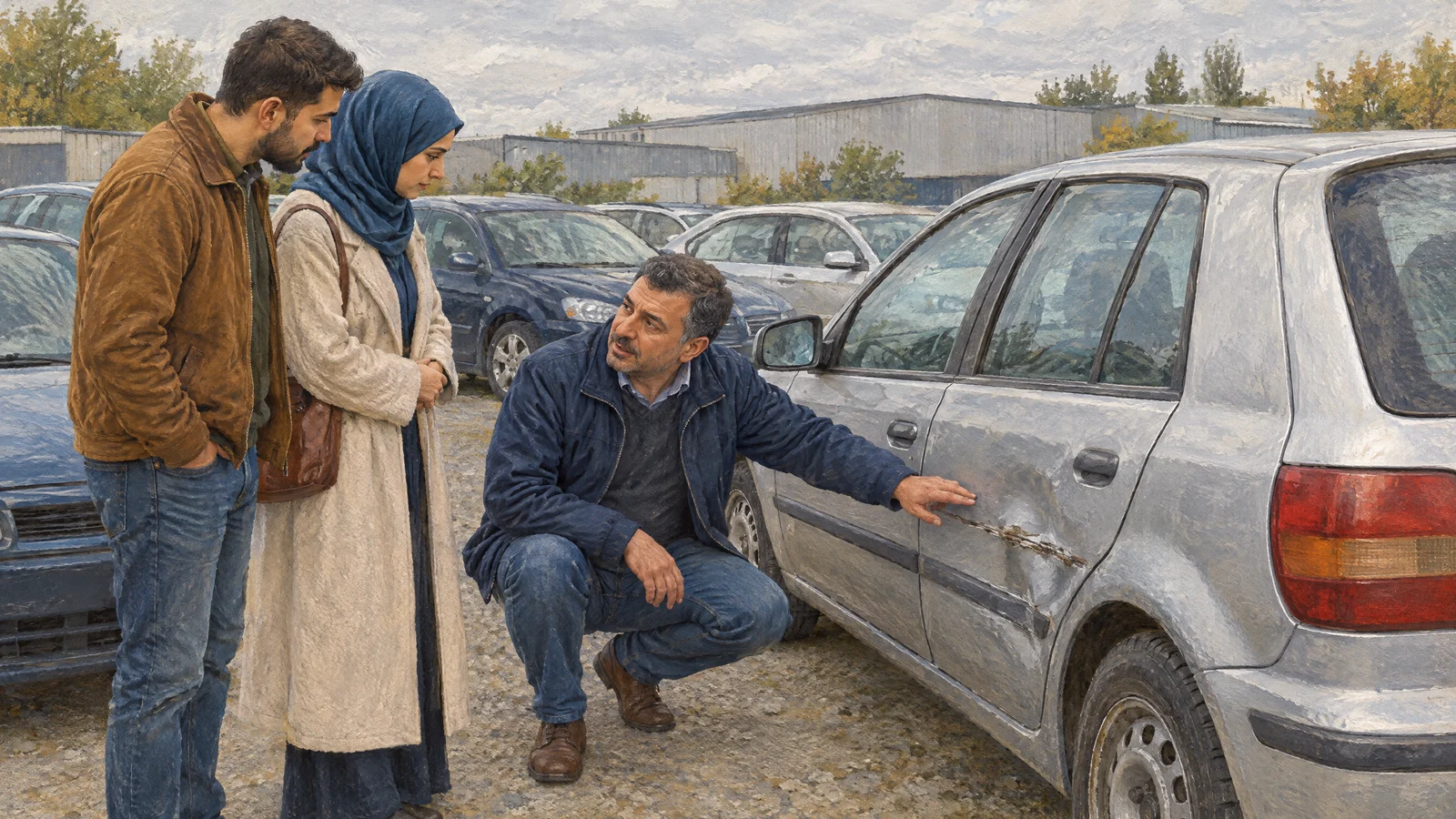
Let us not look for the measure only on the scale: selling faulty goods as sound, charging the full fee for deficient service and deceiving with false reviews also spoil the measure. The believer’s question is not only “How much did I earn?” but “Is my earning lawful (halal)?” Taking advantage of the distraction of one of our brothers or sisters also falls, in conscience, under the rights of others.
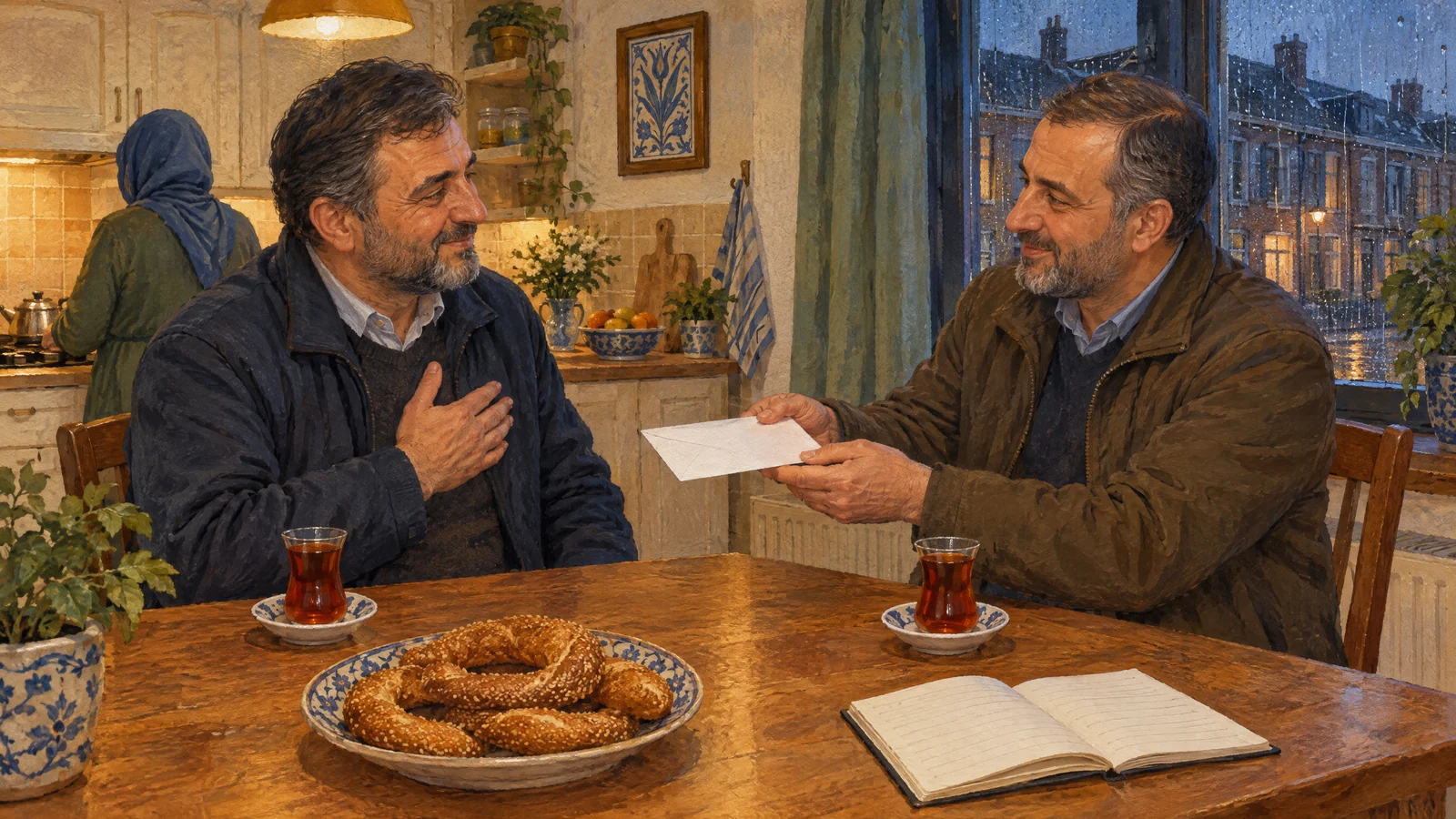
Debt and the sweat of one’s brow
مَطْلُ الْغَنِيِّ ظُلْمٌ
According to the narration of Abu Hurayra (may Allah be pleased with him), our Prophet said: “For a person who has the means, to put off repaying a debt is wrongdoing.”
al-Bukhari, Hawalat, 1 (2287); Muslim, Musaqat, 33 (1564)
Debt is a right that is made light of in this world but weighs heavily in the Hereafter. Our Prophet said: “The soul of the believer remains bound to its debt until it is paid.” (al-Tirmidhi, Janaiz, 76 (1078)) He declared that even a martyr’s sins are all forgiven except debt. (Muslim, Imara, 119 (1886)) At the funeral of a man in debt, he first said, “Pray over your companion yourselves,” and led the prayer himself only after Abu Qatada took the debt upon himself. (al-Bukhari, Kafala, 3 (2295)) On the other hand, Allah makes it easy to repay for the one who borrows with the intention of repaying. (al-Bukhari, Istiqrad, 2 (2387)) Saying “He has surely forgotten it by now” is no excuse in the Hereafter.
قَالَ اللَّهُ ثَلاَثَةٌ أَنَا خَصْمُهُمْ يَوْمَ الْقِيَامَةِ، رَجُلٌ أَعْطَى بِي ثُمَّ غَدَرَ، وَرَجُلٌ بَاعَ حُرًّا فَأَكَلَ ثَمَنَهُ، وَرَجُلٌ اسْتَأْجَرَ أَجِيرًا فَاسْتَوْفَى مِنْهُ، وَلَمْ يُعْطِ أَجْرَهُ
Abu Hurayra (may Allah be pleased with him) reports: Allah said: “There are three people against whom I shall stand as adversary on the Day of Resurrection: one who gives his word in My name and then breaks it; one who sells a free person and consumes the price; and one who hires a worker, has the work fully done, and then does not pay the wage.”
al-Bukhari, Buyu‘, 106 (2227); Ijara, 10 (2270); hadith qudsi

A worker’s wage is also a right of another: the employer must pay wages on time and in full. It is narrated that our Prophet said, “Pay the worker his wage before his sweat dries”; the chain of this narration contains weakness, but its meaning is supported by other authentic narrations. (Ibn Majah, Ruhun, 4 (2443)) The worker, too, must do the job properly; doing justice to the wage one receives is also a responsibility.
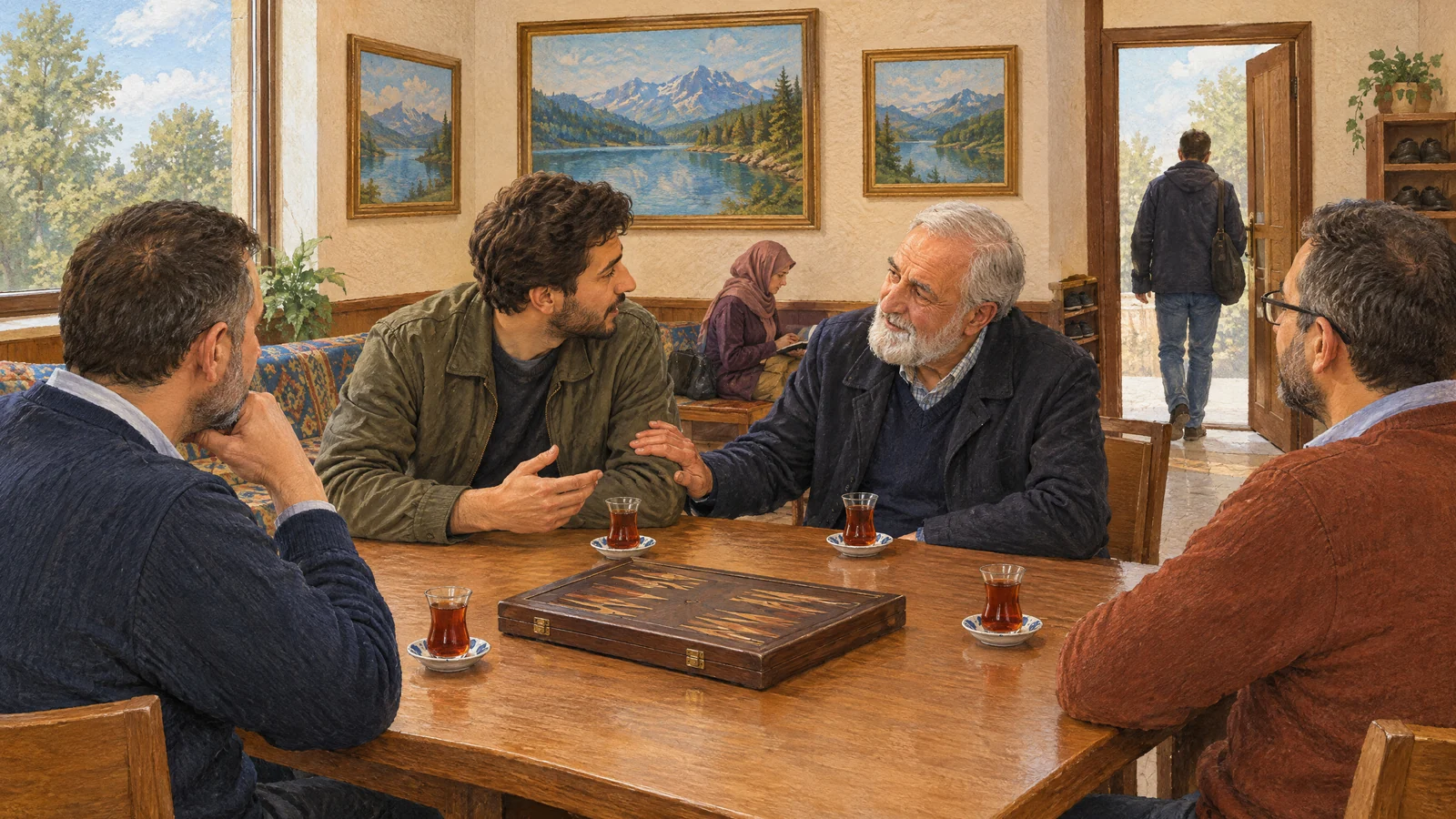
III. Moral rights of others: wrongs we commit with our tongue
The rights of others begin not only in the wallet but also on the tongue.
The rights of others begin not only in the wallet but also on the tongue. In his Farewell Sermon our Prophet said: “(O people!) Just as this (Dhu’l-Hijja) month of yours, in this (Mecca) city of yours, on this (‘Arafa) day of yours is sacred, so too are your blood, your property and your honour (dignity and chastity) sacred.” (al-Bukhari, ‘Ilm, 9; Muslim, Qasama, 30)
لَا يَسْخَرْ قَوْمٌ مِّن قَوْمٍ عَسَىٰ أَن يَكُونُوا خَيْرًا مِّنْهُمْ وَلَا نِسَاءٌ مِّن نِّسَاءٍ عَسَىٰ أَن يَكُنَّ خَيْرًا مِّنْهُنَّ وَلَا تَلْمِزُوا أَنفُسَكُمْ وَلَا تَنَابَزُوا بِالْأَلْقَابِ
Let no people ridicule another people, for they may be better than they. Nor let women ridicule other women, for those ridiculed may be better than those who ridicule. Do not belittle one another, and do not call one another by offensive names.
al-Hujurat, 49:11; excerpt from the verse
The verse shows the place of human honour and dignity in Islamic ethics. (Kur’an Yolu, vol. 5, pp. 94–95) Without touching a person’s property we can still violate their right: with a word we can break their heart, with gossip cause unrest in their family, with a slander bring about harm that lasts for years, and by telling a secret destroy their trust. Guarding our tongue is among the most important ways of protecting ourselves from violating the rights of others.
- Mockingal-Hujurat, 49:11
- Offensive nicknamesal-Hujurat, 49:11
- Backbitingal-Hujurat, 49:12
- Slanderingan-Nur, 24:11–15
- Leaking secretsbetraying a trust
- Hurtful wordsal-Bukhari, Riqaq, 23
A Muslim is one from whose hand and tongue people are safe.
الْمُسْلِمُ مَنْ سَلِمَ الْمُسْلِمُونَ مِنْ لِسَانِهِ وَيَدِهِ وَالْمُؤْمِنُ مَنْ أَمِنَهُ النَّاسُ عَلَى دِمَائِهِمْ وَأَمْوَالِهِمْ
According to the narration of Abu Hurayra (may Allah be pleased with him), our Prophet said: “A Muslim is one from whose hand and tongue other Muslims are safe. A believer is one whom people trust with their lives and their property.”
al-Tirmidhi, Iman, 12 (2627); al-Nasa’i, Iman, 8; the first sentence: al-Bukhari, Iman, 4 (10); Muslim, Iman, 65 (41)
The tongue can both raise a person and bring them down. Our Prophet tells us that a servant may fall into Hell because of a careless word that earns Allah’s wrath, and may rise in rank with Allah through a good word spoken just as carelessly. (al-Bukhari, Riqaq, 23 (6478)) So our measure is this: “Whoever believes in Allah and the Last Day, let him say what is good or else keep silent.” (al-Bukhari, Adab, 31 (6018); Muslim, Iman, 74 (47))

Backbiting and slander
وَلَا يَغْتَب بَّعْضُكُم بَعْضًا أَيُحِبُّ أَحَدُكُمْ أَن يَأْكُلَ لَحْمَ أَخِيهِ مَيْتًا فَكَرِهْتُمُوهُ
Do not backbite one another. Would any of you like to eat the flesh of his dead brother? You would loathe it!
al-Hujurat, 49:12; excerpt from the verse
أَتَدْرُونَ مَا الْغِيبَةُ قَالُوا اللَّهُ وَرَسُولُهُ أَعْلَمُ قَالَ ذِكْرُكَ أَخَاكَ بِمَا يَكْرَهُ قِيلَ أَفَرَأَيْتَ إِنْ كَانَ فِي أَخِي مَا أَقُولُ قَالَ إِنْ كَانَ فِيهِ مَا تَقُولُ فَقَدِ اغْتَبْتَهُ وَإِنْ لَمْ يَكُنْ فِيهِ فَقَدْ بَهَتَّهُ
Abu Hurayra (may Allah be pleased with him) reports: The Messenger of Allah asked, “Do you know what backbiting is?” The Companions said, “Allah and His Messenger know best.” He said, “It is to mention your brother with something he dislikes.” Someone asked, “What if what I say is actually true of my brother?” He replied, “If what you say is true of him, you have backbitten him; and if it is not, you have slandered him.”
Muslim, Birr, 70 (2589)
Backbiting is often committed with the words “but I am telling the truth”; our Prophet answered this objection: if the fault mentioned is in the person, it is backbiting; if not, it is buhtan, that is, slander. On the night of the Mi‘raj our Prophet came upon a group who were tearing at their faces and chests with nails of copper; Gabriel said, “These are the ones who eat people’s flesh and attack their honour and dignity.” (Abu Dawud, Adab, 35 (4878))
لَّوْلَا إِذْ سَمِعْتُمُوهُ ظَنَّ الْمُؤْمِنُونَ وَالْمُؤْمِنَاتُ بِأَنفُسِهِمْ خَيْرًا وَقَالُوا هَٰذَا إِفْكٌ مُّبِينٌ
When you heard it, should not the believing men and women have thought well of one another and said, “This is a clear slander”?
an-Nur, 24:12
The Qur’an recounts the gravest example of slander in the incident of the ifk: “Those who brought forth the slander are a group among you… Each of them will bear the sin he has earned; and for the one among them who took upon himself the greater part of it, there is a great punishment.” (an-Nur, 24:11) This slander cast against our mother ‘A’isha (may Allah be pleased with her) harmed not only her but also the household of our Prophet and the climate of trust in society. The verses also condemn passing slander from tongue to tongue: “You passed it on with your tongues and spoke with your mouths what you had no knowledge of; you thought it a small matter, while with Allah it is a grave one.” (an-Nur, 24:15) A baseless word can affect a person’s family, work and reputation for years. That is why slander is likened to a murder committed with the tongue.

IV. The rights of others apply on social media too
A change of medium does not change responsibility: what we would not say to someone’s face, let us not say in a comment either.
Dear brothers and sisters! Especially our young people, whose phones never leave their hands, our dear children!
In our age we meet new faces of the rights of others: sharing a person’s photo without permission, spreading a piece of information about their private life, passing on news whose truth has not been checked, insulting people in comments, circulating images that humiliate someone: these are serious responsibilities. A change of medium does not change responsibility: what we would not say to someone’s face, let us not say in a comment either.
يَا أَيُّهَا الَّذِينَ آمَنُوا إِن جَاءَكُمْ فَاسِقٌ بِنَبَإٍ فَتَبَيَّنُوا أَن تُصِيبُوا قَوْمًا بِجَهَالَةٍ فَتُصْبِحُوا عَلَىٰ مَا فَعَلْتُمْ نَادِمِينَ
So that you do not harm people unknowingly and then regret what you have done, when a transgressor brings you news, verify it.
al-Hujurat, 49:6
According to what the commentators report, this verse was revealed when the official sent to collect zakat from the Banu Mustaliq turned back before reaching the tribe and brought the unfounded report that they refused to pay zakat; when the report was investigated, it proved untrue. (Kur’an Yolu, al-Hujurat 49:6) Our Prophet also said: “It is enough lying for a person to relate everything he hears.” (Muslim, Muqaddima, 5; Abu Dawud, Adab, 80) The fatwa sources likewise ask that privacy, accurate information and avoidance of slander, backbiting and prying be respected in online spaces. A lie that is shared is a violation of the rights of others that multiplies with the number of those who share it.
- 1Is it true?Have I checked the report’s source? (al-Hujurat, 49:6)
- 2Is it permitted?Photo, voice, secret: with the owner’s consent?
- 3Does it hurt?Does it humiliate someone or break a heart?
- 4Can I answer for it?Every word spoken is recorded. (Qaf, 50:18)
If even one is “no”: do not share.
مَّا يَلْفِظُ مِن قَوْلٍ إِلَّا لَدَيْهِ رَقِيبٌ عَتِيدٌ
He utters not a word without a most attentive watcher beside him!
Qaf, 50:18
The same measure applies to our own posts: insults in the comments, children’s photos posted without permission, a secret or a fault spread in family WhatsApp groups… The Qur’an warns: “Do not pursue what you have no knowledge of! Surely hearing, sight and the heart, all of these will be questioned about it.” (al-Isra’, 17:36) Even behind a phone screen, Allah sees us.

V. True bankruptcy in the Hereafter: the hadith of the bankrupt
The bankrupt, who comes with prayer, fasting and zakat but loses his good deeds to those entitled.
The hadith that describes most strikingly the weight of the rights of others in the Hereafter is the hadith of the bankrupt.
أَتَدْرُونَ مَا الْمُفْلِسُ
قَالُوا الْمُفْلِسُ فِينَا مَنْ لاَ دِرْهَمَ لَهُ وَلاَ مَتَاعَ
إِنَّ الْمُفْلِسَ مِنْ أُمَّتِي يَأْتِي يَوْمَ الْقِيَامَةِ بِصَلاَةٍ وَصِيَامٍ وَزَكَاةٍ
Abu Hurayra (may Allah be pleased with him) reports: The Messenger of Allah asked, “Do you know who the bankrupt is?” The Companions said, “For us the bankrupt is the one who has no money or goods.” Our Prophet then said: “The bankrupt of my community is the one who comes on the Day of Resurrection with prayer, fasting and zakat, but who has also insulted this one, slandered that one, consumed the property of another, shed the blood of another and beaten another. The reward of his good deeds is given to this one and that one. If his good deeds run out before the rights owed by him are paid, some of the sins of those entitled are taken and placed on him; then he is thrown into Hell.”
Muslim, Birr, 59 (2581); al-Tirmidhi, Qiyama, 2 (2418)
What they bring
- Prayer
- Fasting
- Zakat
Rightful owners
- Insulted
- Slandered
- Property consumed
- Blood shed
- Beaten
The good deeds are given to them; if the good deeds run out, their sins are loaded on the bankrupt.
A person may pray, fast and give zakat; but if they wrong people, take their property unjustly or hurt them with the tongue, they face a great danger in the Hereafter. Acts of worship are not worthless; but they must make a person upright and just: prayer should keep us from evil, fasting should strengthen the will and zakat generosity, and the Qur’an should teach justice and compassion.
لَتُؤَدُّنَّ الْحُقُوقَ إِلَى أَهْلِهَا يَوْمَ الْقِيَامَةِ حَتَّى يُقَادَ لِلشَّاةِ الْجَلْحَاءِ مِنَ الشَّاةِ الْقَرْنَاءِ
According to the narration of Abu Hurayra (may Allah be pleased with him), our Prophet said: “On the Day of Resurrection rights will certainly be returned to their owners, so that even the hornless sheep will have its right taken from the horned sheep.”
Muslim, Birr, 60 (2582)
On a day when rights are observed even among animals, the wrong done by one person to another is not forgotten. A debt that could be paid today with a wallet will be paid there with prayers, fasts and zakat.

VI. The rights of others in the family, the neighbourhood and working life
A right does not lapse through closeness: the rights of those closest to us are rights too.
Most often we violate the rights of those closest to us: saying “after all, it is family,” we make light of the rights of our spouse, our children, our parents and our siblings. Yet a right does not lapse through closeness: being a sibling does not permit taking property unjustly, being a spouse does not permit wrongdoing, being a child does not permit breaking someone’s dignity.
فَاتَّقُوا اللَّهَ، وَاعْدِلُوا بَيْنَ أَوْلاَدِكُمْ
al-Nu‘man ibn Bashir (may Allah be pleased with him) reports: His father wanted to give him a gift, and his mother had asked that our Prophet be a witness. Our Prophet asked, “Have you given all your other children the like of this?” When the answer was “No,” he said, “Fear Allah, and be just among your children.” In Muslim’s version he also says, “Then do not make me a witness; I do not bear witness to injustice.”
al-Bukhari, Hiba, 13 (2587); Muslim, Hibat (1623)
Favouring one child unjustly leads to jealousy and hurt among siblings and damages the child’s dignity; that is, it gives rise to a violation of the rights of others within the family.
لِّلرِّجَالِ نَصِيبٌ مِّمَّا تَرَكَ الْوَالِدَانِ وَالْأَقْرَبُونَ وَلِلنِّسَاءِ نَصِيبٌ مِّمَّا تَرَكَ الْوَالِدَانِ وَالْأَقْرَبُونَ مِمَّا قَلَّ مِنْهُ أَوْ كَثُرَ نَصِيبًا مَّفْرُوضًا
For men there is a share of what parents and relatives leave; and for women there is a share of what parents and relatives leave, be it little or much — a fixed share.
an-Nisa’, 4:7
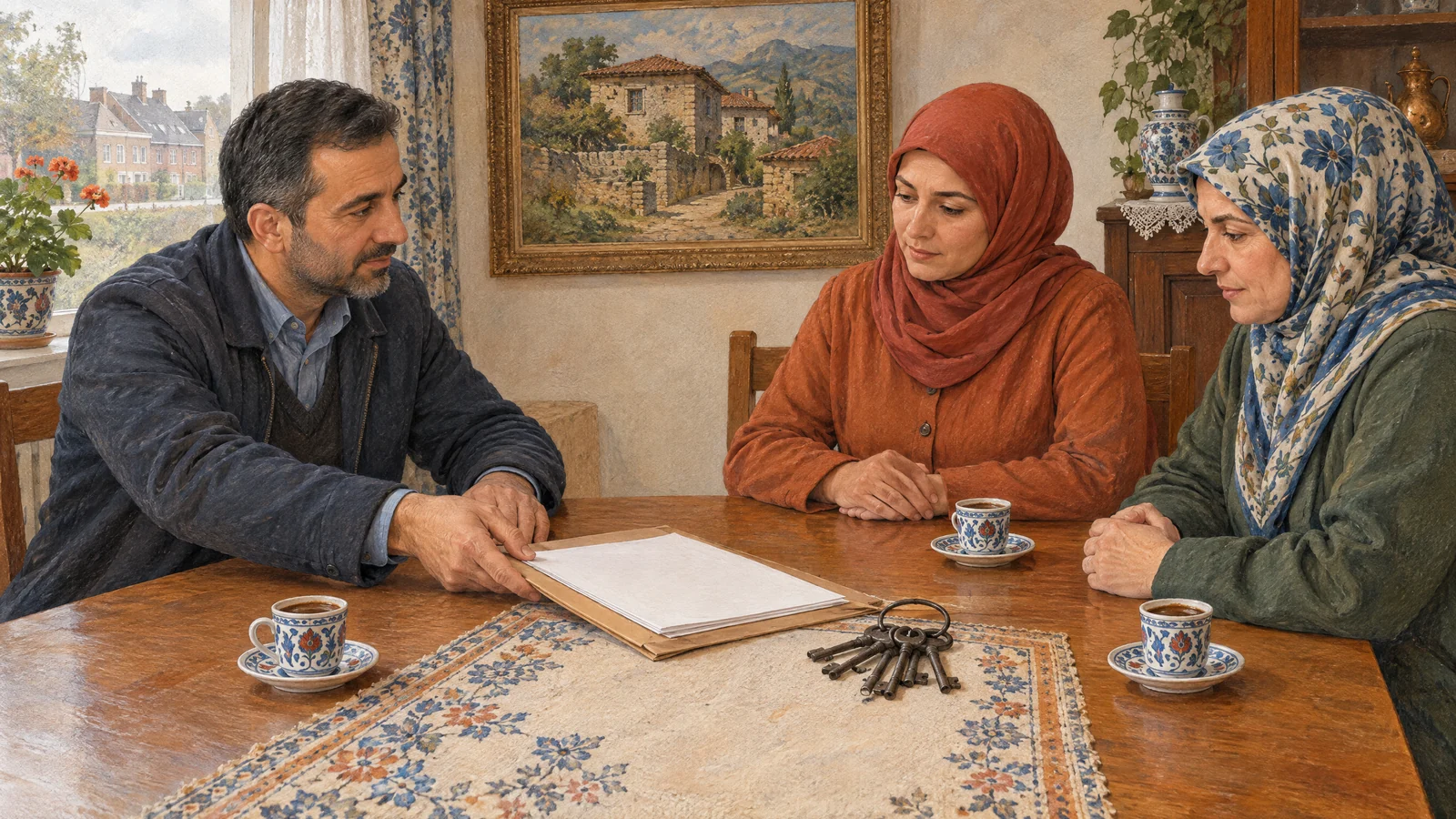
A wrong frequently met with here in Europe is inheritance: the field, house or shop back in the home country; sisters talked out of their share with the words “You married; your share is in your husband’s house”; “voluntary” signatures obtained through shame or pressure. Allah Himself has fixed the shares and has called them “the limits set by Allah.” (an-Nisa’, 4:13) To deprive a sister of her share without her free consent is a violation of the rights of others committed against those closest to us.
- Me
- Spouse, children
- Parents and siblings
- Neighbour, colleague
- Society, public
A believer is just to the nearest and the farthest.

The neighbour’s right is also our responsibility. Our Prophet said three times, “By Allah, he does not believe!” and when asked, “Who, O Messenger of Allah?” he said, “The one whose neighbour is not safe from his harm!” (al-Bukhari, Adab, 29 (6016)) Noise at night, parking that blocks the neighbour’s door, leaving shared areas neglected: these fall under this right. At work, neglecting one’s hours, obtaining a sick note one has not earned, using the employer’s materials for private jobs are also violations of the rights of others. “Each of you is a shepherd, and each of you is responsible for those in your charge.” (al-Bukhari, Jumu‘a, 11 (893); Muslim, Imara, 20 (1829))
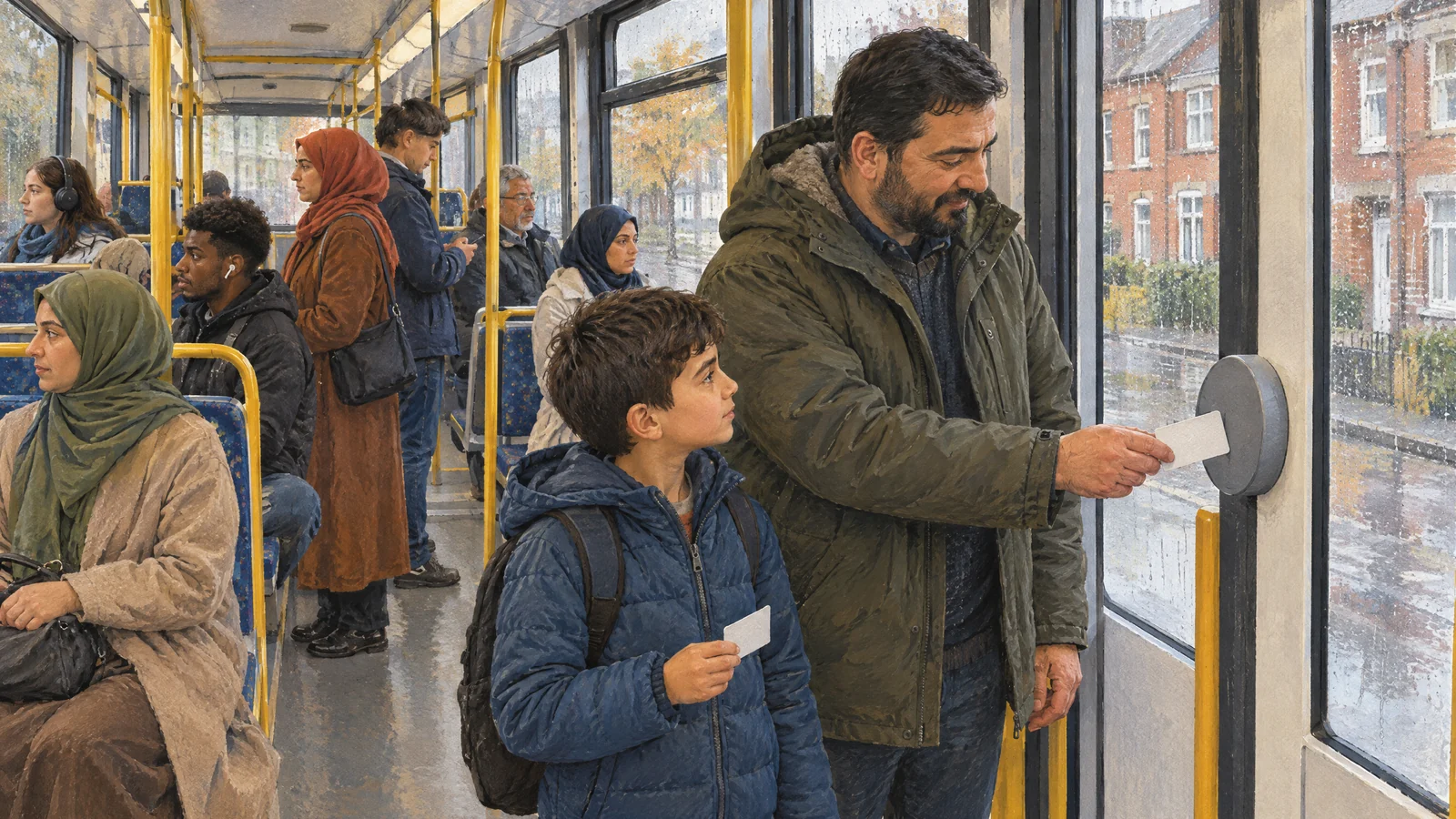
VII. Public right: the trust thought to have no owner
Public property is not ownerless; it is a trust shared by all of us.
وَمَا كَانَ لِنَبِيٍّ أَن يَغُلَّ وَمَن يَغْلُلْ يَأْتِ بِمَا غَلَّ يَوْمَ الْقِيَامَةِ
No prophet would ever misappropriate the due of those who fought. Whoever commits such an injustice will come on the Day of Resurrection carrying what he misappropriated.
Al ‘Imran, 3:161; excerpt from the verse
لاَ أُلْفِيَنَّ أَحَدَكُمْ يَجِيءُ يَوْمَ الْقِيَامَةِ عَلَى رَقَبَتِهِ بَعِيرٌ لَهُ رُغَاءٌ يَقُولُ يَا رَسُولَ اللَّهِ أَغِثْنِي فَأَقُولُ لاَ أَمْلِكُ لَكَ شَيْئًا قَدْ أَبْلَغْتُكَ
Abu Hurayra (may Allah be pleased with him) reports: The Messenger of Allah, stressing the gravity of betrayal over the spoils of war (ghulul), said: “Let me not find any of you on the Day of Resurrection coming to me with a camel groaning on his neck, saying, ‘O Messenger of Allah, help me!’ and I shall say, ‘I can do nothing for you; I conveyed the message to you.’”
Muslim, Imara, 24 (1831); similar narration: al-Bukhari, Jihad, 189 (3073)
Public property is not ownerless; it is a shared trust. Ghulul is taking from the spoils of war without permission; using public resources for personal gain is also understood within this scope. When Ibn al-Lutbiyya, who collected zakat, said, “This was given to me as a gift,” our Prophet said, “Why did he not sit in his father’s house and see whether a gift would be given to him?” (al-Bukhari, Hiba, 17 (2597); Muslim, Imara, 26 (1832)) What is taken by reason of office is not a gift but ghulul — even if it is a needle. (Muslim, Imara, 30 (1833))
- Public transport ticket
- Taxes, honest declaration
- Social benefits
- Workplace materials and working time
- Park, school, hospital
- Water, electricity, shared areas
Public property is not ownerless; it has millions of owners.
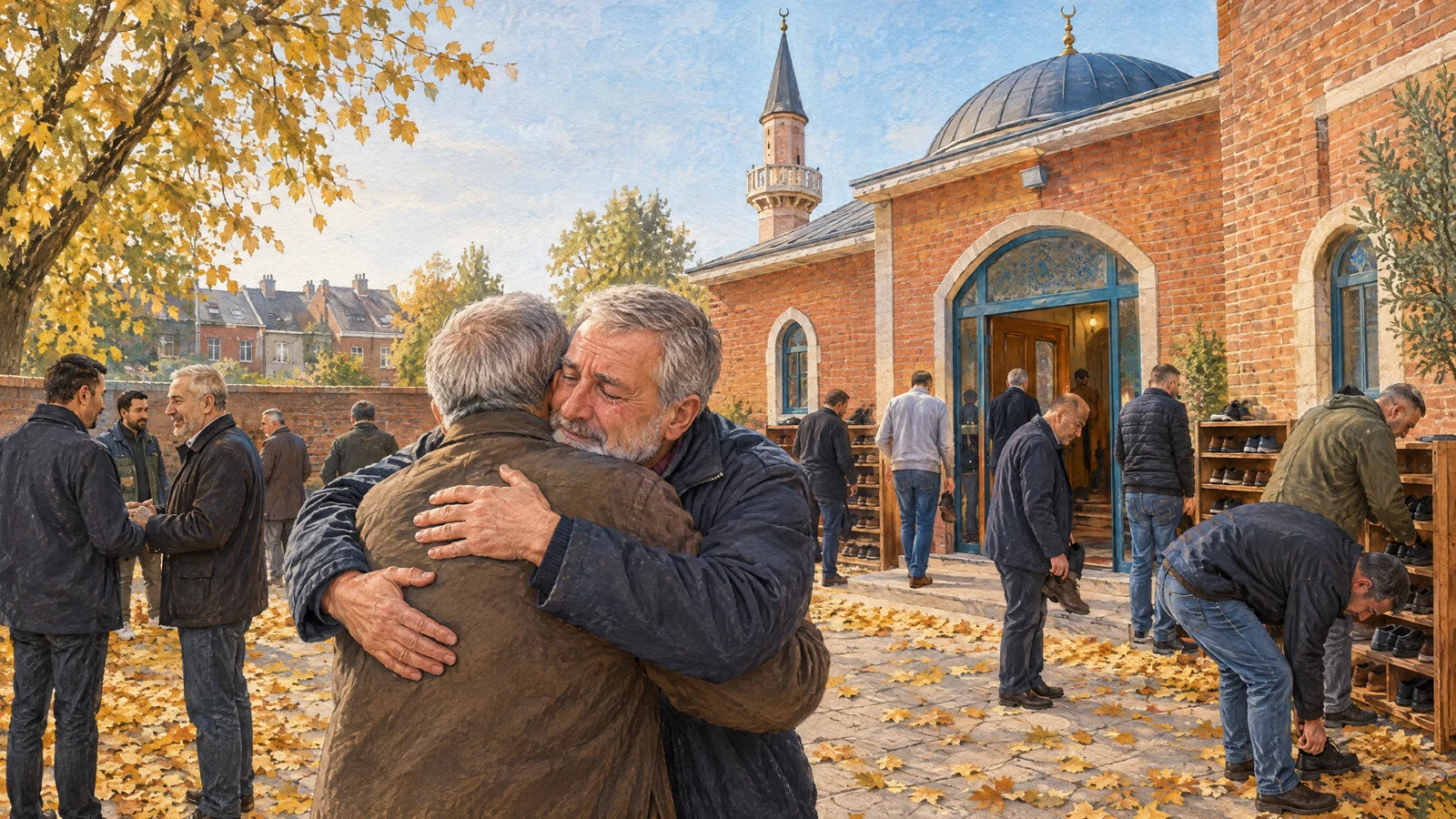
VIII. Conclusion: Settling accounts and seeking release before the day when dinar and dirham are of no use
Give up, feel regret, repay, settle accounts and seek release: there is a way out.
When we notice our fault, there is a way out. Our Prophet says:
مَنْ كَانَتْ لَهُ مَظْلَمَةٌ لِأَخِيهِ مِنْ عِرْضِهِ أَوْ شَيْءٌ فَلْيَتَحَلَّلْهُ مِنْهُ الْيَوْمَ قَبْلَ أَنْ لَا يَكُونَ دِينَارٌ وَلَا دِرْهَمٌ
Abu Hurayra (may Allah be pleased with him) reports: Our Prophet said: “Whoever has wronged his brother in respect of his honour or his property, let him settle accounts and seek release from him today, before the day when there will be neither dinar nor dirham. Otherwise, in proportion to his wrongdoing, some of his good deeds will be taken and given to the one he wronged; and if he has no good deeds, some of the other’s sins will be taken and placed on him.”
al-Bukhari, Mazalim, 10 (2449)
- Step 1Give upStop the wrongdoing at once.
- Step 2Feel regretRepent sincerely, resolve never to repeat it.
- Step 3RepayReturn it to its owner, make good the harm.
- Step 4Seek releaseWin their heart, ask for release; if you cannot reach them: prayer and charity.
First we must give up the wrong, feel regret and return what is owed: give back the property, pay the debt, make good the damage, make up the underpaid wage, and apologise to the heart we have broken. If the owner has died, the right is handed to the heirs; if the owner cannot be reached, its value is given to the poor on the owner’s behalf; in the case of backbiting, where this is not possible, there are repentance, a good prayer and good deeds done on the person’s behalf. The details are in the guide to settling accounts and seeking release below.
- I will write down my debt and pay it on time. If I cannot pay, I will go to my creditor without running away, explain the situation and ask for a new deadline.
- I will keep my scale, my invoice and my word true. I will state the defect of goods, not hide the deficiency of a service, and not take advantage of a customer’s distraction.
- I will pay wages before the sweat of the brow has dried, and do justice to the wage I receive. I will not delay my worker’s wage, and I will not neglect my working hours and my work.
- I will not speak behind people’s backs, and I will not share what I hear without verifying it. I will gently warn a gathering where backbiting is going on, and I will not spread photos or secrets without permission.
- I will be just in my home. I will treat my spouse and children equally and with affection, and give my sisters their inheritance rights in full.
- I will regard public property as a trust. I will validate my ticket, make my declaration truthfully, and not take assistance I do not deserve.
- This week I will settle accounts and seek release with one person. I will win back a heart I have broken, pay a debt I had forgotten, and call a relative with whom I have fallen out.
A right owed to another is not lifted until it is returned to its owner or the owner releases us from it; whoever does not settle it today will pay with their good deeds on the day when dinar and dirham are of no use. As we leave this Friday prayer, let us ask three questions: Whose right is on me? Whose heart have I broken? Whose debt have I forgotten? Let us call the first name that comes to mind today.
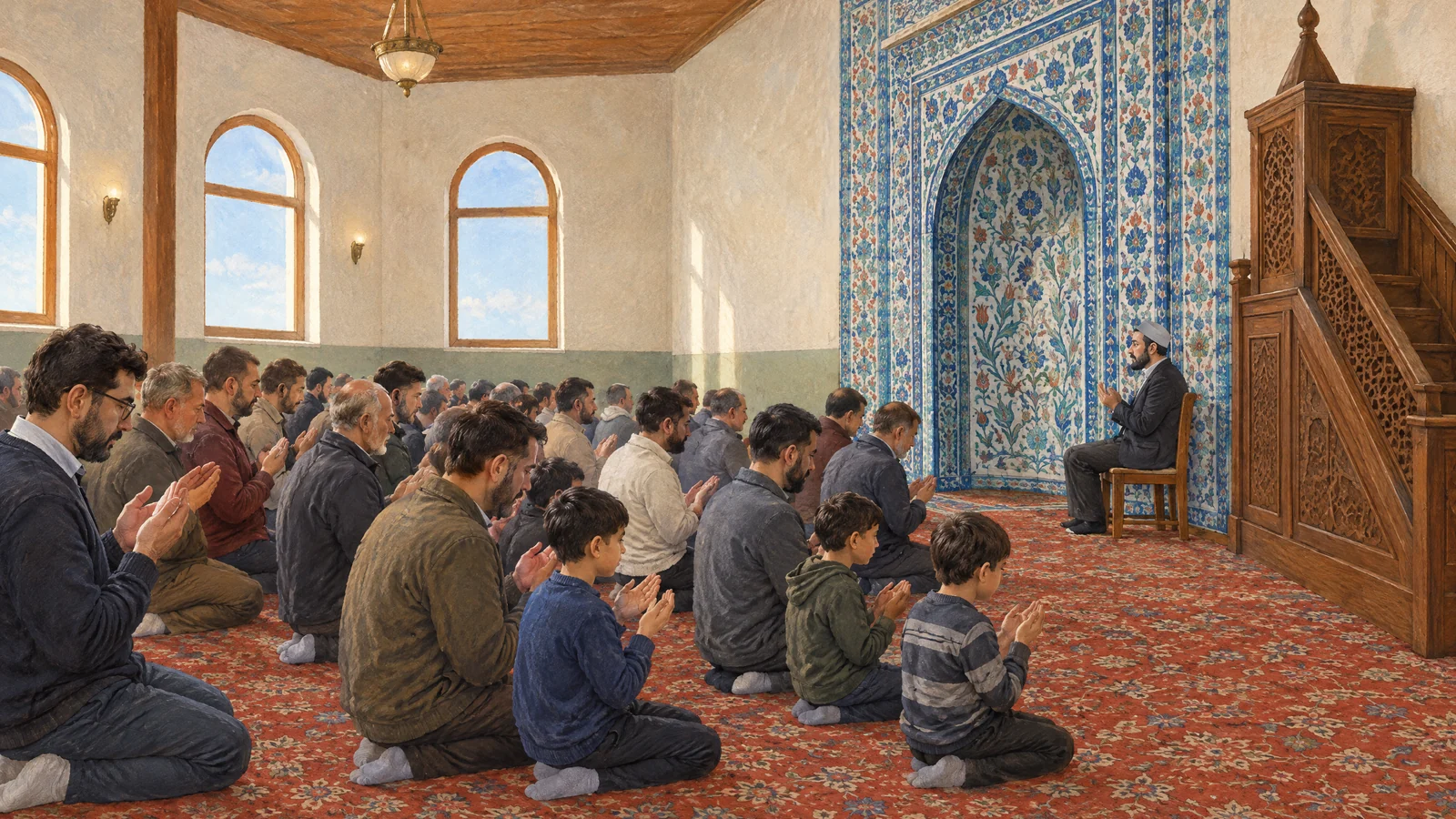
The pulpit’s closing here in Europe and the congregation’s supplication
We open our hands and our hearts to our Lord.
My dear brothers and sisters! Let us open our hands and our hearts to our Lord.
أَعُوذُ بِاللَّهِ مِنَ الشَّيْطَانِ الرَّجِيمِ
الْحَمْدُ لِلَّهِ رَبِّ الْعَالَمِينَ، وَالصَّلَاةُ وَالسَّلَامُ عَلَى رَسُولِنَا مُحَمَّدٍ وَعَلَى آلِهِ وَصَحْبِهِ أَجْمَعِينَ
I seek refuge in Allah from the accursed Satan. Praise belongs to Allah, Lord of the worlds. Blessings and peace be upon our Prophet Muhammad, upon his family and upon all his Companions.
Praise: al-Fatiha, 1:2. Seeking refuge and blessings: free wording of the supplication
رَبَّنَا اغْفِرْ لِي وَلِوَالِدَيَّ وَلِلْمُؤْمِنِينَ يَوْمَ يَقُومُ الْحِسَابُ
رَبَّنَا اغْفِرْ لَنَا وَلِإِخْوَانِنَا الَّذِينَ سَبَقُونَا بِالْإِيمَانِ وَلَا تَجْعَلْ فِي قُلُوبِنَا غِلًّا لِّلَّذِينَ آمَنُوا رَبَّنَا إِنَّكَ رَءُوفٌ رَّحِيمٌ
Our Lord! Forgive me, my mother and my father, and the believers on the Day when the account is established. — Our Lord, forgive us and our brothers who preceded us in faith, and do not leave in our hearts any ill thought or feeling towards those who believe. Our Lord! Surely You are Most Compassionate, Most Merciful.
Ibrahim, 14:41; al-Hashr, 59:10; excerpt from the verses
O Allah! Make us among Your servants who are mindful of the rights of others. Grant us to pay what we owe, to make good our wrongs and to mend the hearts we have broken. Make our earnings lawful, our character good, our hearts merciful. Make us among those from whose hand and tongue people are safe; protect us from being among the bankrupt in the Hereafter.
O Allah! Have mercy on those of our first generation who founded this mosque and have passed on to the Hereafter; grant health to those who are alive. Bring ease to our debtors, healing to our sick, help to the oppressed; reconcile the hearts of our brothers and sisters who have fallen out. Make our children people who remember You in their own languages too and who take no one’s right.
Rabbana atina fi’d-dunya hasanatan wa fi’l-akhirati hasanatan wa qina ‘adhab an-nar: “Our Lord! Give us good in this world and good in the Hereafter, and protect us from the punishment of the Fire!” (al-Baqara, 2:201) Amen. Wa’l-hamdu li-llahi rabbi’l-‘alamin. Al-Fatiha.
Appendix: Guide to settling accounts and seeking release, the rights of others in questions
Short answers to the questions the congregation asks most often are given below. These are general principles; in personal situations one should consult the imam of our community.
The owner has died; what should I do?
The right is handed over to the heirs, and release is asked of them too.
Fatwa sources; DİA, “Tövbe”
I cannot find the owner.
We search as far as we are able; if the owner cannot be reached, we give the property or its value on their behalf to the poor or to charities, and we repent sincerely. If the owner turns up, we intend to pay.
Fatwa sources; DİA, “Tövbe”
Should I tell the person I backbit?
The essential thing is to settle accounts and seek release. If that is not possible, we repent sincerely, pray well for the person and do good on their behalf. Scholars differ on this matter.
İlmihal; DİA, “Gıybet”; fatwa sources
I took something when I was a child.
If it was done before puberty, it is not counted as a sin; but the right does not lapse: if the property remains, it is returned as it is; if not, its like or its value is given to the owner; if the owner cannot be reached, charity is given on their behalf. For details the imam is consulted.
DİA, “Tövbe”; fatwa sources (general principle)
I received social benefits I did not deserve, or I have an unpaid tax debt.
Gain obtained through a false declaration is unlawful (haram); state property belongs to the people. One must correct the mistake, return what was received in excess and put the declaration right.
İlmihal; fatwa sources (general principle)
I have violated a public right, such as travelling without a ticket or using electricity illegally.
Although no specific fatwa has been found on this, the general principle applies: the price of the service used is paid to the institution concerned, and it is not repeated.
İlmihal; fatwa sources (general principle)
I do not have the means to pay my debt.
We do not run away; we explain the situation openly to the creditor and ask for a new deadline. Allah helps the one who borrows with the intention of repaying.
al-Bukhari, Istiqrad, 2 (2387)
My siblings “released” their share of the inheritance to me.
To be valid, the decision must be taken with a free and unconstrained will. A signature given out of embarrassment, pressure or custom does not remove the share. The shares fixed by Allah are definite.
an-Nisa’, 4:7, 11–13; İlmihal; fatwa sources
مَنْ مَاتَ وَعَلَيْهِ دِينَارٌ أَوْ دِرْهَمٌ قُضِيَ مِنْ حَسَنَاتِهِ لَيْسَ ثَمَّ دِينَارٌ وَلَا دِرْهَمٌ
According to the narration of Ibn ‘Umar (may Allah be pleased with him), our Prophet said: “Whoever dies owing a dinar or a dirham, that debt will be paid from his good deeds, for there is neither dinar nor dirham there.”
Ibn Majah, Sadaqat, 12 (2414)
This hadith is the essence of our key sentence: the debt we make light of and postpone today will be paid there from our most precious capital, our good deeds. So instead of postponing, let us take a small step this week: a phone call, an apology, a payment.
Every day that a matter of others’ rights is postponed makes it heavier. Let us get the first right we remember to its owner this week; if we cannot reach them, let us give charity on their behalf and pray. Our Lord does not leave alone the one who intends to put a right back in its place.
- The rights of others (huquq al-‘ibad)
- People’s material and moral rights, such as their life, property, honour and dignity; they lapse only when paid to their owner or when the owner’s consent is obtained.
- The trust (amana)
- Everything left in our care in confidence: belongings, duty, word, secrets, health, children and public resources.
- Backbiting and slander
- Backbiting (ghiba) is mentioning a person in their absence with a trait they would dislike; slander (buhtan) is attributing to them what they do not have.
- Ghulul
- Secretly setting aside for oneself a part of the common property one holds by virtue of a duty; today, reaching for public resources.
- Public right
- Property and resources that belong to the community: taxes, transport, social benefits, shared spaces.
- The bankrupt (muflis)
- Not a person without money, but one whose good deeds are distributed to those entitled and who is loaded with their sins.
- Settling accounts and seeking release (helallesme)
- Paying what is owed to its owner, or bringing the owner to agree willingly and release the right.
Verses, hadiths and other sources
The meanings are taken from the Kur’an Yolu translation; verses and hadiths that are quoted in part are indicated in the text. The wording of the verses is taken from the Tanzil text, the wording of the hadiths has been compared with sunnah.com, and the grades of the narrations have been checked against the judgements of the hadith scholars.
- Verses: al-Fatiha 1:2; al-Baqara 2:188; al-Baqara 2:201; Al ‘Imran 3:161; an-Nisa’ 4:7; an-Nisa’ 4:11–13; an-Nisa’ 4:58; al-Ma’ida 5:1; al-Ma’ida 5:8; Ibrahim 14:41; al-Isra’ 17:36; Ta-Ha 20:25–28; an-Nur 24:11–15; al-Ahzab 33:72; al-Hujurat 49:6; al-Hujurat 49:11–12; Qaf 50:18; al-Hashr 59:10; al-Mutaffifin 83:1–6; az-Zalzala 99:7–8.
- Hadiths: al-Bukhari, Iman 4 (10), 7 (13), 24; Muslim, Iman 65 (41), 71 (45), 74 (47), 107, 164 (102); Muslim, Birr 55 (2577), 59 (2581), 60 (2582), 70 (2589); al-Bukhari, Jihad 89 (2916), 189 (3073); al-Bukhari, Hawalat 1 (2287) and Muslim, Musaqat 33 (1564); al-Tirmidhi, Janaiz 76 (1078); Muslim, Imara 119 (1886); al-Bukhari, Kafala 1 (2291), 3 (2295); al-Bukhari, Istiqrad 2 (2387); al-Bukhari, Buyu‘ 106 (2227) and Ijara 10 (2270); al-Bukhari, ‘Ilm 9 and Muslim, Qasama 30; al-Tirmidhi, Iman 12 (2627) and al-Nasa’i, Iman 8; al-Bukhari, Riqaq 23 (6478); al-Bukhari, Adab 29 (6016), 31 (6018); Abu Dawud, Adab 35 (4878), 80 and Muslim, Muqaddima 5; al-Tirmidhi, Qiyama 2 (2418); al-Bukhari, Hiba 13 (2587), 17 (2597) and Muslim, Hibat (1623); al-Bukhari, Jumu‘a 11 (893) and Muslim, Imara 20 (1829); Muslim, Imara 24 (1831), 26 (1832), 30 (1833); Abu Dawud, Kharaj 31–33 (3052); al-Bukhari, Mazalim 10 (2449); Ibn Majah, Sadaqat 12 (2414).
- Narration with a weakness in its chain: “Pay the worker his wage before his sweat dries” (Ibn Majah, Ruhun 4, 2443): its chain contains weakness, but its meaning is supported by other authentic narrations.
- Stories and narrations: The trusts on the night of the hijra: the Prophet’s biography (sira); “A thousand dinars and the sea”: al-Bukhari, Kafala 1 (2291; mu‘allaq) and Ahmad ibn Hanbal, al-Musnad; “The state’s candle”: al-Fasawi, al-Ma‘rifa wa-l-ta’rikh, I, 579. All three are related with “in summary” or “it is narrated that”.
- Encyclopaedia and catechism: TDV İslâm Ansiklopedisi, “Kul Hakkı”, “Tövbe”, “Gıybet”, “Hicret” and “Ali”; İlmihal.
- Appendix guide to settling accounts and seeking release: The answers to the questions are general principles: İlmihal; fatwa sources; TDV İslâm Ansiklopedisi, “Tövbe” and “Gıybet”; al-Bukhari, Istiqrad 2 (2387); an-Nisa’ 4:7, 11–13. In personal situations the imam of our community is consulted.
- Images: The scene pictures are illustrative images; there is no depiction of prophets or Companions.